

Can A Phone Case Interfere With Signal Strength?
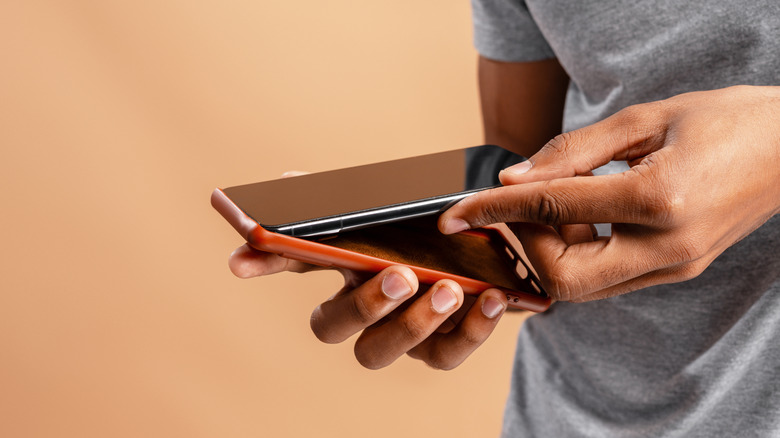
For the longest time, most discussions around phone cases were limited to whether you really need a case for your smartphone. But there's another aspect that often gets overlooked: Can the case interfere with signal strength? For most people, the answer is no. Phone cases made from materials like silicone, plastic, rubber, fabric, wood, and leather don't impede your smartphone's ability to receive or transmit signals. That's because these materials are non-conductive. But there are certain materials and designs that can actually hamper signal reception.
To understand when a case can interfere with signal strength, you first need to know how phones communicate. Phones use dedicated antenna bands for cellular and Wi-Fi connectivity, apart from GPS and Bluetooth connections. These are carefully placed to maximize signal reception. So, unless there's something obstructing those signals, the electromagnetic radio waves that your phone uses to communicate should pass through just fine.
A simple, thin silicone phone case is unlikely to weaken signal reception. However, some materials and case designs can, such as metal cases and extremely thick cases. Besides that, it's vital to realize that phone cases are often not the biggest culprit behind poor signal reception. There are several other factors too; your phone case could just be exacerbating the problem.
Metal cases are the biggest concern
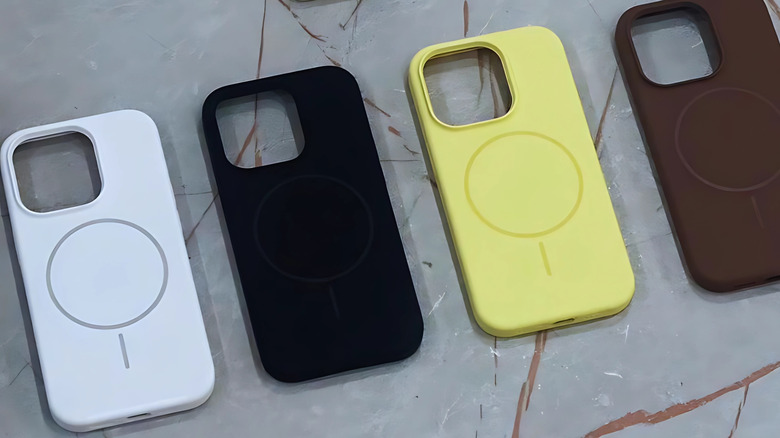
One case factor that might affect your signal reception is the material used for the phone case. Based on their ability to conduct electricity, materials are categorized into two types: conductive (metal) and non-conductive (silicone, plastic, rubber). It's the former you should be concerned about. If you are using a metal case, or one with metal parts, it's likely to weaken your phone reception and lead to poorer signal strength. That's because metal can block or reflect the radio waves your phone uses to communicate with cell towers or Wi-Fi routers.
Apart from the material used, a case's design can affect your signal strength. There are two important aspects to consider here: the case's thickness and the use of conductive materials. Modern smartphones usually have antenna bands placed around the edges, so if a case is too thick around these parts, it may affect signal reception. This applies to both metal and silicone cases, even though the effects will be less noticeable on the latter. The material used in a phone case is a far more important factor than the case thickness.
Additionally, you have to look for the presence of conductive materials in phone cases made with non-conductive materials like plastic and silicone. The issue may become more evident when metal items in cases are placed around areas where your phone's antennas are located. To check for that, look around your phone and you will notice antenna bands along the edges. Ideally, metal components shouldn't cover these lines.
Your case isn't the only thing affecting signal strength
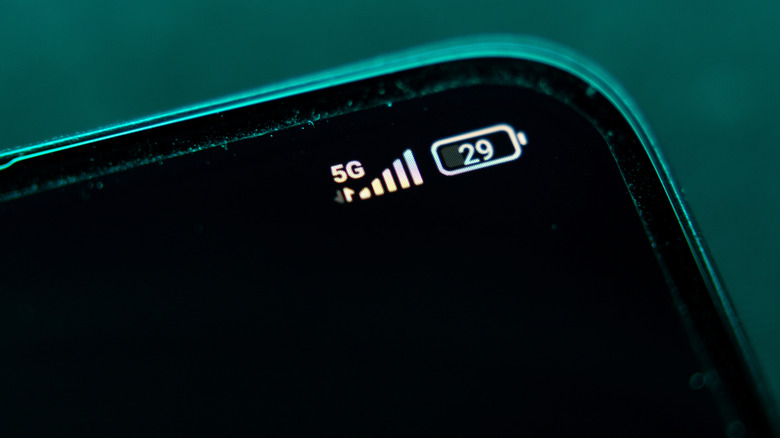
Your phone's case is one of the factors impacting signal strength, but it's not the only one. How far your phone is from the tower, the presence of physical obstructions like concrete and glass in between, network congestion, the local geography, and the weather can all affect signal strength. The type of cellular technology your phone uses also influences signals. Just as switching from 2.4 GHz to the 5 GHz band helps improve internet speed on your phone but weakens signal strength, switching from LTE to 5G may affect signal reception since 5G signals, particularly high-frequency bands, struggle more with physical obstructions.
Before you blame your phone's case, use your phone with and without the case, and monitor your signal strength using a dedicated app each time. A drop of 1-3 decibel-milliwatts (dBm) isn't something worth stressing over. Even holding your phone tightly and covering the antenna bands may have a bigger impact. This happened with the iPhone 4, which, when held in the left hand a certain way, experienced a significant drop in signal strength. As surprising as it may sound, it was a phone case that initially fixed the problem, with Apple even offering free cases to iPhone 4 users. Eventually, a software update patched the issue.
So, remember that while your phone case can affect signal strength if it's made of metal, the impact may not be as big as you think. You must always consider other factors as well.