

What Owners Say Is The Biggest Problem With Foldable Phones
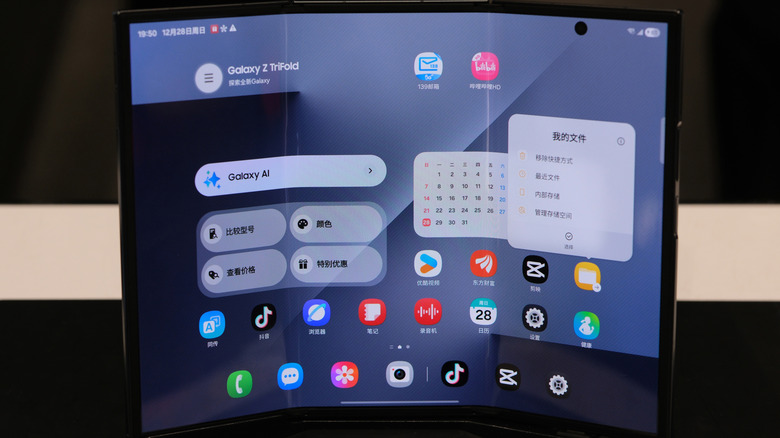
Foldable phones are enjoying a surge in popularity, with shipments expected to grow by over 20% in 2026 alone, according to a report at TechRT. In China alone, foldable phone sales have ballooned from 1.5 million in 2021 to over 10 million in 2025. The trend is buoyed by big (and pricey) releases like the Galaxy Z TriFold, which Asia got in 2025 and which is scheduled to reach the West sometime in 2026, and the persistent rumors of an upcoming foldable iPhone. On the other end of the spectrum, cheap options like this foldable Android mean they're not out of reach for the typical consumer.
That said, foldable phones remain very divisive. There seem to be two camps of foldable owners: those who purchased one and were put off the category forever, and those who became lifelong adherents after their first exposure. Even among fanatics, though, there are clearly some issues that linger around foldables that traditional slab phone owners don't have to deal with. Which one is the most problematic is the topic of some heated debate, but some top candidates are the durability of the hinge, the subpar battery life, and the strange aspect ratio.
The standout issues with foldables
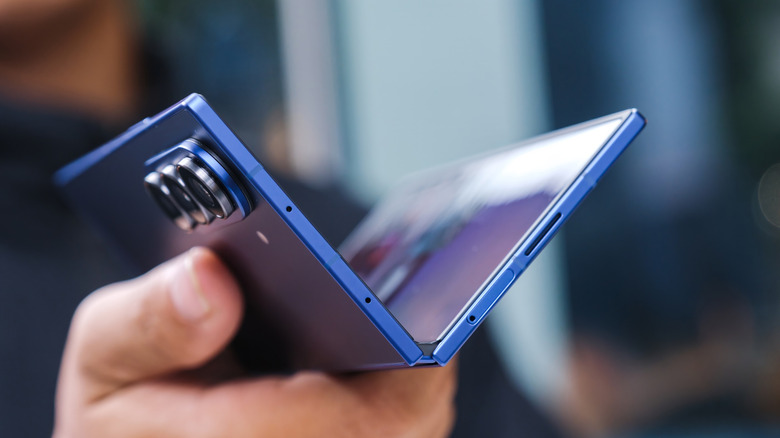
Battery life is a sticking point for most portable electronics, be they phones, tablets, or laptops, and it's a spot where foldables face significant struggles. Foldables are considerably thin, so they're not completely unwieldy when folded in half, but that means less space for bulky battery packs. They also have large (or in some cases, multiple) screens, which drain the battery faster.
Hinge durability has been the bogeyman of the foldable market from the beginning, and it's still not a solved issue. Hinges at the smartphone scale are small, delicate components and inevitably wear out over time. This means that a phone that starts out with a firm and reliable hinge may feel loose after several months (or years) of use. Many users also report that the hinges of their foldables are especially sensitive to dust, sand, and other grit, and that once a bit of particulate infiltrates the sensitive seam, they never work quite the same again. It's one of several issues that can contribute to the highly variable lifespan of Android foldables.
Other complaints, from minor to major
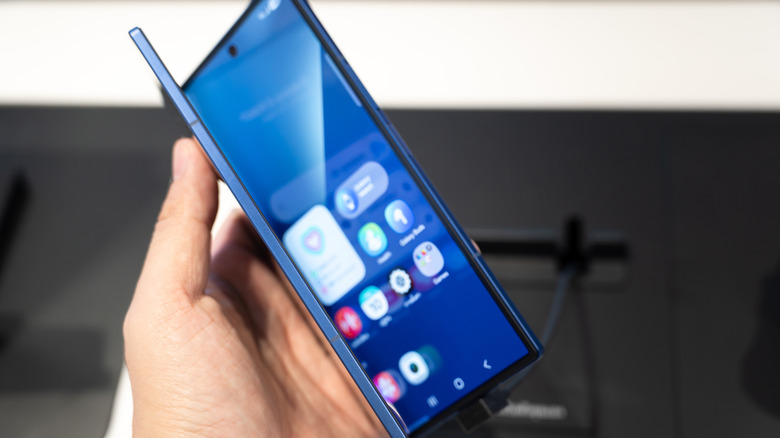
The extra height or irregular shape of most foldables means odd aspect ratios, which can lead to compatibility problems with apps or when viewing photos or videos. Given that a big part of the appeal of a foldable is the extra real estate you get for the display, those incompatibilities can mean the category loses one of its major advantages. Then there's the seam. Regardless of how smooth and flat a foldable is when you lay it out, there will always be a tactile crease along the hinge. For some, the feeling of that tiny bump when you're scrolling is enough of a constant annoyance that it grows from minor irritation to major issue.
Foldable screens are also more prone to damage. Making a screen bendable means making it softer and more fragile, so many foldable manufacturers cover their screens with a plastic screen protector. The problem is that the protector tends to deform or bubble over time, leading to ugly discoloration, or it can get gunk stuck beneath it. While a screen protector on a traditional phone may last for years without noticeable wear, because you're constantly bending a foldable's protector, they break down much faster.