

5 Forgotten Sci-Fi TV Shows From The '70s That You Have To Watch
The 1970s were host to the science fiction revolution with "Star Trek" making its mighty return in "The Motion Picture," "Star Wars" completely changing the genre in '77, and then there was TV. In the U.S., legendary shows like "The Six Million Dollar Man" and "Mork & Mindy" were dominating the airwaves. Over in the U.K., "Doctor Who" and a cavalcade of low-budget sci-fi ran rampant on the three channels available. You'll notice that some of these shows are quite dour in their representation of the future.
At the time, 1970s sci-fi, outside the glitz and glamor of Hollywood, was a bleak affair. "Invasion of the Body Snatchers," "A Clockwork Orange," and even some of the later "Planet of the Apes" movies are just some examples of depressing or miserable visions of a future or world. To be fair, the world was going through quite a bit, especially with the U.S. in the midst of its Cold War and the U.K. dealing with rolling blackouts, riots, and strikes as the government waded in.
These science fiction shows are not only worth tracking down to watch, but are also really great time capsules for getting a feel of the time. The 1970s, looking back, weren't great, but at least they produced some really good science fiction out of their complete depressive state.
Blake's 7
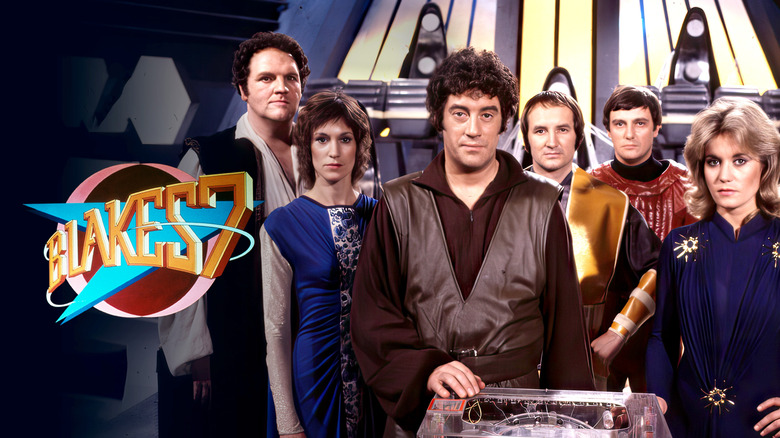
Created by Terry Nation, who came up with the Daleks in "Doctor Who," "Blake's 7" was a British sci-fi show that's often forgotten. Set in a dystopian future, it features a group of rebels trying to overthrow the totalitarian government. At the center of the action is Roj Blake, and the titular seven are a rotating cast of characters throughout the show's four seasons. As with many British sci-fi shows, particularly those from the BBC, "Blake's 7" is riddled with a low budget and whiffy dialogue. It was never as successful as Nation's other creations, but it has still retained a fanbase over the years.
"Blake's 7" aired from 1978 through to 1981, and comes with its own, wonderfully '70s styled ending of incredibly depressing proportions. While the franchise has continued in a limited capacity with Big Finish, which also handles the "Doctor Who" audio series, it's never been given the big revival treatment. Thankfully, it's not hard to track down to watch, as it was broadcast when the BBC wasn't in the habit of losing its seminal shows, like "Doctor Who," or the other forgotten '70s show, "Quatermass."
Quatermass
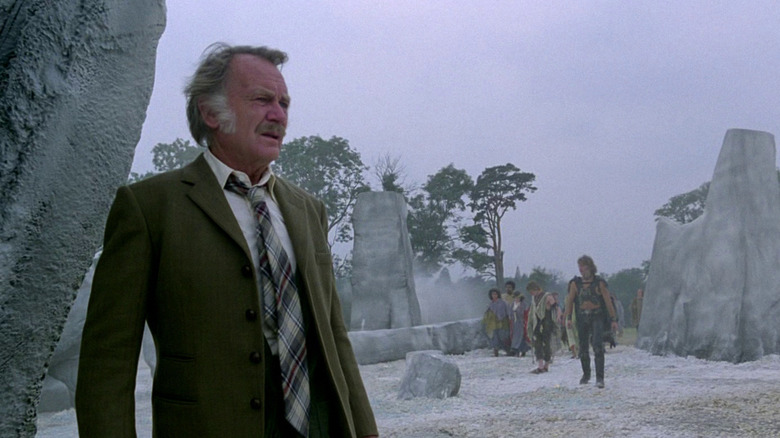
Before "Doctor Who" redefined British science fiction on TV, "Quatermass" was here, fending off aliens and protecting Earth. Aired in 1979, the four-episode mini-series is actually the fourth entry in the overall story of "Quatermass". Originally beginning in the 1950s, with a majority of it lost to time, it was remade for cinema and followed by two other films, acting as remakes for other stories from the original serials. In the '70s, "Quatermass" was brought back as a mini-series, following a now retired Quatermass looking for his granddaughter in the near future.
The mystery revolves around alien visitors, a cult called the Planet People, and their abductions. You won't need to have seen the original Quatermass materials, or even hunted down the radio show, to get a kick out of this delightfully bleak '70s sci-fi. The series wasn't well-received when it originally came out. Writer Nigel Kneale wasn't best pleased with its production either, critical of its main star. "Quatermass" was also rejigged for film, and released as "The Quatermass Conclusion," but didn't fare better there either. Despite being mothballed and not as good as the previous entries, it acts as a pretty good epilogue to the other three entries in the series.
Moonbase 3
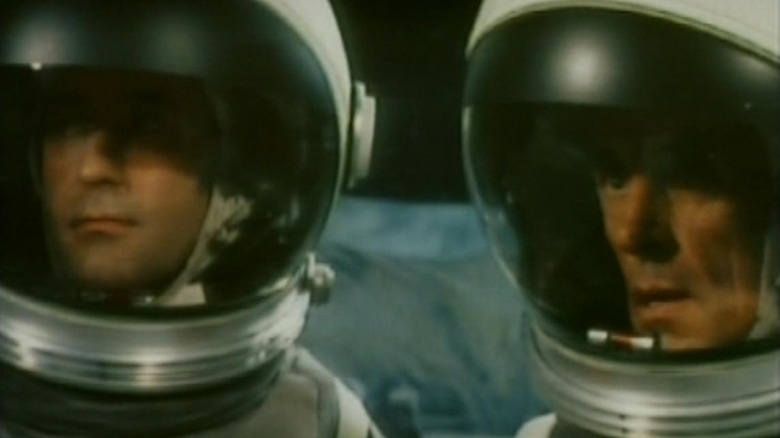
Another creation from people behind "Doctor Who," this time being script editor Terrance Dicks (known as "Uncle Terry" by "Doctor Who" fans for his novelizations of the show) and producer Barry Letts. A joint project between the BBC, 20th Century Fox, and ABC Network, "Moonbase 3" was another decidedly grimy sci-fi show from the Brits. Dicks even commented on it in a foreword for a "Doctor Who" book, that he "overdid the grimness" in the show.
"Moonbase 3" follows the people inhabiting the moon base, which has become Elon Musk's fantasy of a fully colonized moon. Set in the far future of 2003, it's a small oddity amongst other contemporaries at the time. While sci-fi was still meticulous and always tried to apply some sense of grounded science, the fantasy element still dominated. "Moonbase 3" was known for its realism, especially when it came to spaceflight.
Look, the first episode deals with an astronaut returning to Earth, suffering a mental breakdown and crashing his craft, killing him. Other episodes deal with the enclosed space, blowing up the Arctic Circle for construction, and budget cuts. The show is often forgotten amongst the brighter spots, and was almost lost entirely if not for a Fox executive finding tapes in his office.
Star Trek: The Animated Series
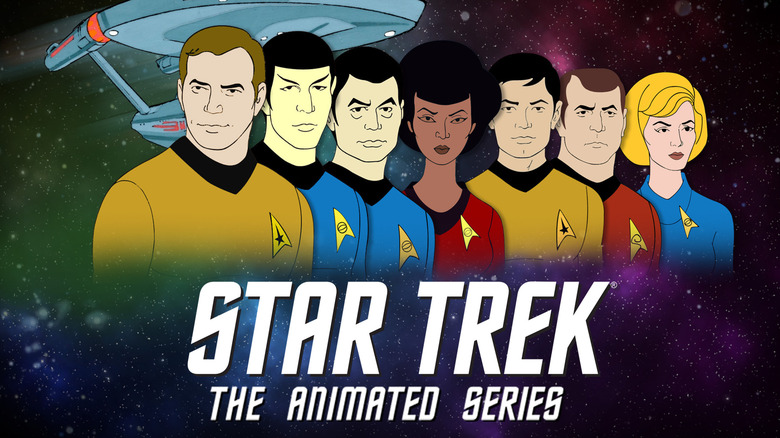
After "Star Trek: The Original Series" was canceled after three seasons, and before it made its return in "Star Trek: The Motion Picture" in 1979, "The Animated Series" was how folks in the '70s caught back up with the crew of the Enterprise. Wonderfully cheap in its looks, but still harboring most of that original storytelling and sci-fi that "Star Trek" has been known for, "The Animated Series" is often forgotten. It's well worth a look, and does feel like additional seasons of "The Original Series," rather than the kids' show it appears to be.
The shift to animation allowed the writers to imagine more alien fantastical species, rather than the humanoids or fluff balls that made up a vast majority of the Enterprise's encounters. One species even made it into another of "Star Trek's" animated shows, "Lower Decks," as the Vendorians return after 47 years. Surprisingly, it doesn't feature a new cast, with every one of the main crew making their return. Even William Shatner returned to helm the microphone as Captain Kirk, the original and still one of the five actors to take on the role. The show is easily streamed over on Paramount+ and is endlessly fascinating if you can get over the stilted animation.
Cliffhangers' The Secret Empire
"Cliffhangers" was a short-lived series from 1979, featuring three different serials split across three segments through its 11-episode run. One of these was "The Secret Empire," which featured a Wild West setting that unravels to reveal a science fiction world underneath. It only ever got the one series due to its expensive nature, and ultimately failed in its task to potentially spin one of the segments into a full show.
"Cliffhangers" and "The Secret Empire" are often forgotten not only because of their limited run, but because NBC pitted them against shows like "Happy Days" and "Laverne and Shirley" over on ABC. Both shows completely trounced the attention game, leaving "Cliffhangers" and its sci-fi adventure to be forgotten.
It's still an interesting watch, but it wasn't particularly well-received. This is a curiosity piece amongst this batch of shows, and the showrunner had far better sci-fi-infused shows over this. Those included "The Bionic Woman" and "Incredible Hulk." Aside from "The Secret Empire," the other serials that broadcast were a vampire-themed "The Curse of Dracula," and "Stop Susan Williams!" That was about a woman investigating the murder of her brother.