

4 Reasons I Chose A Google Pixel Over Other Android Phones
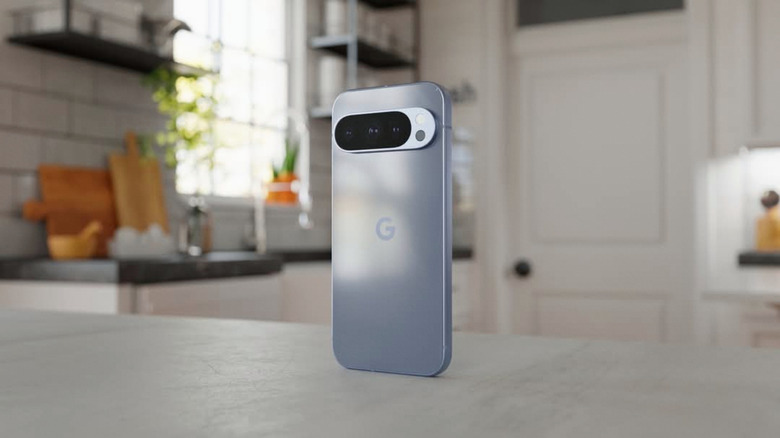
Considering Apple and Samsung always take the largest slices of the cake that is the U.S. phone market, Google's Pixel line is still a bit of an underdog. Though carrying a Pixel may bump down your bragging points, it can easily match both the iPhone and Samsung feature-by-feature. Taking it a notch further, there are plenty of solid reasons to buy a Google Pixel according to its owners, who often insist the device does a lot of stuff better than the dynamic duo.
For starters, Consumer Reports says the Pixel 10 Pro goes neck and neck with the Galaxy S25 Ultra, save for a tiny preference for Samsung's processor over Google's Tensor G5 chip. The marginal win may not be as glorious because Google's 2025 offering is much cheaper, and you can often grab it for approximately $100 less. The same general idea applies when comparing it with other Android phones.
In my personal experience (and the experience of many others on the interwebs), a Google Pixel simply provides more value for the money when it comes to real-world usage. Importantly, it's bloat-free (looking at you, Samsung) while still remaining deeply customizable (looking at you, Apple), and it offers an unbelievable camera experience. In short, it's an all-around device that will be snappy for years if you take good care of it.
Flagship experience at a relatively affordable price
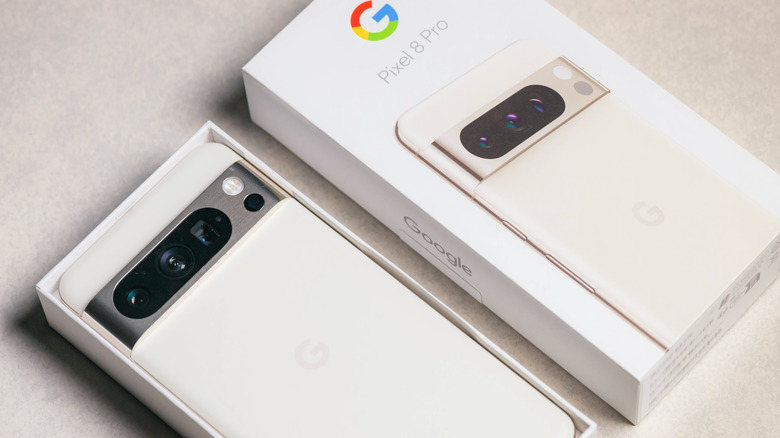
Addressing the elephant in the room: Affordable phones will get the job done, sure. However, I'm of the opinion that a flagship is a flagship for a reason. Money-wise, it's a small sacrifice to make for more powerful hardware (including the display to squeeze the maximum eye candy out of each penny) and better performance for tasks leaning on the intensive side. Don't just take my word for it. Many smartphone connoisseurs agree that a top-of-the-line device will perform admirably for years. This is something people often don't say about mid-tier and inexpensive models that tend to lag in about two or three years.
So why a Google Pixel out of all Android flagships, exactly? Time to put on comparison glasses.
For starters, the base Google Pixel 10 is $100 cheaper than the vanilla Samsung Galaxy S26. Granted, Samsung includes 256 GB of storage, but if you get a more hefty 256 GB version of the Pixel, you'll pay the same amount, so we'll call that a wash. What about other manufacturers? The OnePlus 13, for instance, may be around the same price as the Pixel 10 while using a processor that scores higher in benchmarks, but there are a few notable trade-offs you'll have to settle for. Aside from the fact that Pixel has a better camera and a slew of nifty AI features, it also offers a longer OS update schedule than OnePlus (seven years compared to four), which in itself is worth the extra $100.
Pure bloatware-free Android experience
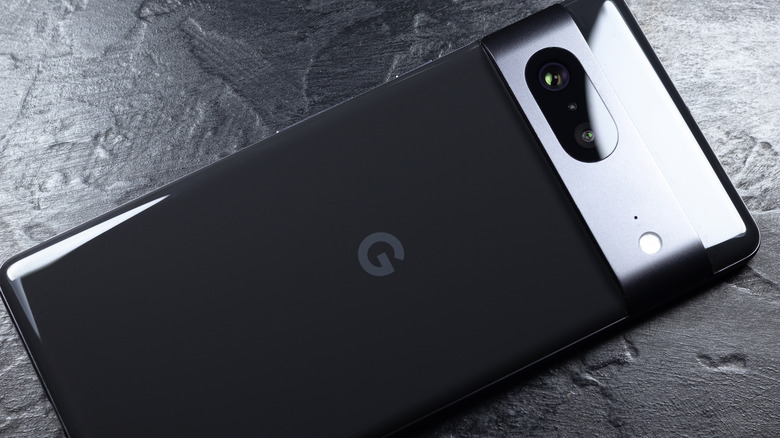
I'm not alone in thinking that Pixels offer the purest Android experience possible. The UI is clean and minimalist, with some owners praising the silky-smooth animations. Of course, this is down to personal preference. There are those who may not vibe with the minimalist design, and some even say this is one of the biggest disadvantages of owning a Google Pixel phone.
While the vibe of the OS is personal, the bloatware is not. A Pixel is as close to vanilla Android as the tech giant could make it. Other manufacturers, not so much. For example, Samsung is notorious for its bloatware. Even though the company has toned it down in recent years (credit where credit is due), users still complain about the pre-installed apps they can't remove unless they jump through a bunch of software hoops. Others, like OnePlus, may be even worse because their bloatware can go as far as to send you ads. This seems to be more of a thing in China, where in-app ads may help explain why these devices are so affordable.
Reliability and longevity
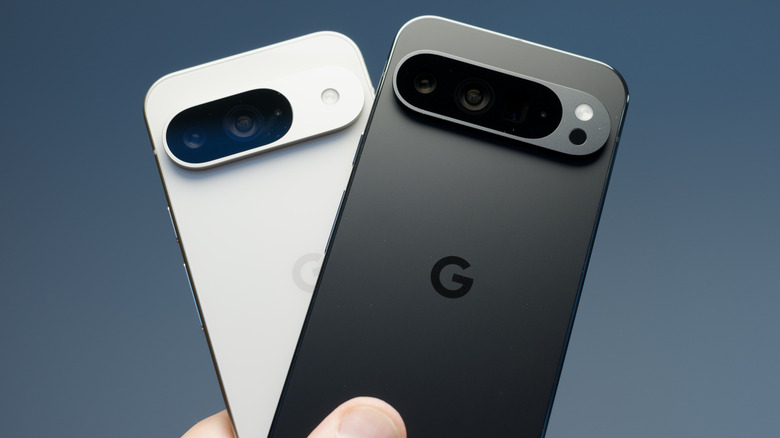
If you want an Android phone that can be your "ride or die" for the better part of a decade, allow me to welcome you into the Pixel club. When looking at how long owners say Google Pixel phones last, the average is about five years — but there are plenty of people rocking theirs for much longer. I can personally attest to this, as I've been in the club since the Pixel 3a and never had a phone fail on me since. In fact, a friend is still using my first Pixel as a backup. Sans the tiny qualifier that the battery isn't what it used to be, the fact that the little Pixel remains snappy after eight years is a testament to Google's quality.
The biggest reason, though, isn't the hardware. Plenty of manufacturers these days can put together a phone, but many of them will skimp on the software support. Models like the Pixel 8 and up will receive seven years of updates, courtesy of Google. This is in line with what you'd get from Samsung, but far more than the four years you'll receive from other companies. Notably, Motorola — a company that enjoys a similar smartphone market share to Google in the U.S. — only guarantees three years of OS updates for its $1,500 Razr Ultra. When compared to the $500 Pixel 9a, for example, you'd get roughly half the Android updates for about three times the price if you went with Motorola.
The camera is a joy to use
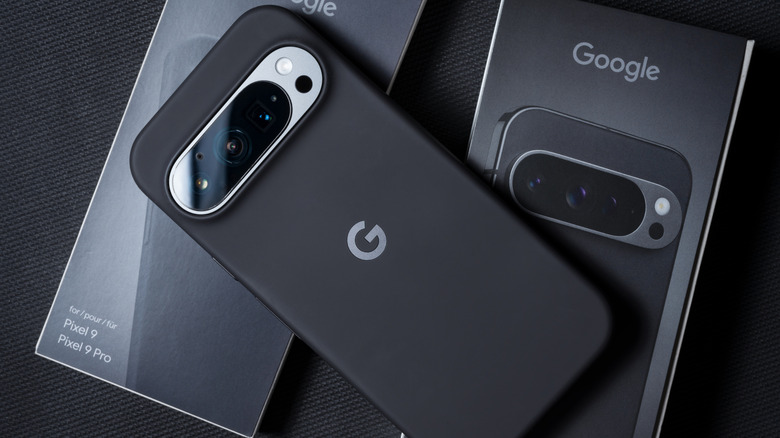
I'm not much of a photographer, but my Pixel phone makes me feel like I am. There's just something special about it that makes many users opt for a Pixel each time a new phone is in order. Back in the late 2010s, Pixel phones practically blew me away, because for the first time, I could take a photo in low light without it coming out as a blurry or noisy mess. This is still true, for the most part.
Unfortunately, while the Pixel 10 got a nifty telephoto lens, Google had to make slight adjustments to the other lenses. As a result, I didn't notice much of a jump after upgrading from a Pixel 9. I can live with that, especially since the camera is still as vibrant and point-and-shoot ready as it used to be. On that second point, many prefer Pixels to Samsung phones, where, according to some, the shutter lag is noticeable. As a proud father of two, the fast shutter speed is something I absolutely can't live without.
Call me a fanboy, but the moment I picked up my first Pixel, I was hooked. I also own a bunch of Google-branded smart devices, but even if I didn't, I'd still be a Pixel man through and through. When my current Google Pixel 10 Pro dies (which will probably be sometime next decade, by the look of things), I know which phone I'll be getting.