

3 Signs Your LED Display Is Failing
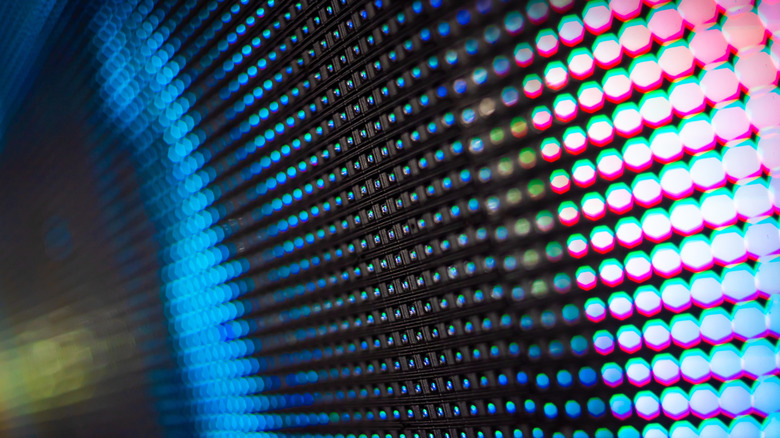
LED displays come in a variety of forms, from TVs to computer monitors. As a consumer, it's important for you to understand that no particular type of display is perfect. Along with familiarizing yourself with the various display options available, you should learn to spot the signs that a given display is nearing the end of its life. Knowing the signs of a failing LED display will help you determine when it's time to purchase a replacement.
Not all signs of a failing LED display necessarily mean the display is dying, though. In some cases, a professional can repair the damage causing the symptoms of LED display failure. They may be more likely to do so successfully if you catch an issue early before the root cause has time to get worse. When you're aware of the signs that an LED display is failing, you can take action fast. Should an upgrade be necessary, you can purchase and install a replacement before your current LED display dies while you're actively using it.
Dead or dying pixels

The image an LED screen displays consists of many tiny pixels. A dead pixel is a pixel that either remains permanently dark or otherwise permanently displays the wrong color. Naturally, any dead pixels can result in loss of image quality. Depending on their number and location, dead pixels on an LED display can be so distracting as to potentially ruin the viewing experience.
Dead pixels can occur for several reasons. Potential causes of dead pixels in LED displays include soldering issues, LED chip failures, packaging errors, and exposure of a display's components to excessive electrical current or power. Sometimes, pixels give out because of physical damage, such as parts getting dinged during the installation process. In addition, environmental factors like high humidity or temperatures can lead to the type of damage that ultimately results in dead pixels.
There are some instances when dead pixels can be repaired. Also, pixels that flicker or appear weaker or dimmer than other pixels aren't dead and may be salvageable. If you're not ready to give up on an LED display just yet, you could have a professional take a closer look to determine whether repairs are possible. Generally, though, dead pixels indicate an LED display is no longer in the best shape. If dead pixels are spreading fairly rapidly, it's probably time for an upgrade.
A flickering screen

A flickering LED display occurs when the display's brightness or overall intensity changes rapidly. You don't need to be told how a flickering LED display can be a serious annoyance. What you should also be aware of, though, is the fact that LED display flickering can be tied to everything from problems with the power supply to issues involving the circuitry of the LED drivers.
It's also worth noting that a flickering LED display may be a sign of a potential safety issue. For instance, other potential causes of flickering include loose wiring and overall moisture. If left unaddressed, these issues could lead to a short circuit, particularly if a display is kept outdoors or in an otherwise humid area.
This point highlights why you shouldn't ignore problems with an LED display. These issues could be more than just mere frustrations. If ignored, they could pose more serious threats. Guard against this by proactively addressing any LED display problems you notice as soon as possible.
The screen dims (while energy bills increase)

Screen dimming is a fairly noticeable sign of LED display failure. Sometimes, this is indicative of an issue that might be fixable. Again, you can have a professional take a closer look to determine the cause and potential solutions. However, if the maximum brightness of an LED display has grown dimmer, and your energy bills have increased, the hardware inside your LED display could be dying.
Don't just assume the problem will fix itself if you notice any of these issues. At the very least, they'll only get worse without the proper attention (even if that means replacing your current LED display). In some cases, these problems can even put your safety at risk, depending on the cause.
Your LED display also might not be the only screen you use. As such, now might also be a good time to learn about the signs that it's time to replace your computer monitor.