

What Is The 3-To-1 Rule For Audio?

For anyone recording audio using more than one mic, you'll want to follow what's known as the 3-to-1 rule. It's a simple trick that, when used properly, will ensure the audio quality across each microphone is crisp, clear, and clean. It's a technique used to prevent or reduce irregular recording, and can be set up just about anywhere from professional studios to home offices.
The 3-to-1 rule is designed to reduce or prevent various audio interference when mixing two mics recording different sources. Either mic can be the $27 Amazon Basics Microphone or something more expensive. You can even mix and match, but try to get two similar mics.
The rule states that the first microphone should be placed near its source, while the second should be placed three times the distance away from the first mic. So, for instance, if you have a mic placed one foot away from the top of the guitar, the second one should be about three feet from the first mic. This is specifically for when you record multiple audio sources, not just one. When recording a single source with more than one mic, the mics should be equidistant.
How to set up your audio following the 3-to-1 rule

The 3-to-1 rule is one that users can find complicated if it's their first time hearing about it or trying it out themselves. Online forums are full of musicians and content creators — for which the DJ Mic 2 is a solid choice for equipment — who aren't quite sure if their setup is correct, so they've taken to asking what to do and where to place the mics in order to get the best audio recording.
Commenters advise it's all about mic placement, so each picks up the sound of the source it's placed near more clearly, such as with a drum set with multiple moving parts. You're able to set up the 3-to-1 rule anywhere you have room to play instruments or sing. A studio setting is the best choice, as it's designed to provide the best overall audio quality. An office, home, or even outdoors work as well.
As long as one mic is close and the other is set at a distance that's three times away from the first, you'll achieve the 3-to-1 rule. Mics placed closer together are more likely to blend the two recordings, creating a hollow sound. When placed further apart, any imperfections in the audio will be less noticeable.
What are the reasons to record with more than one mic?
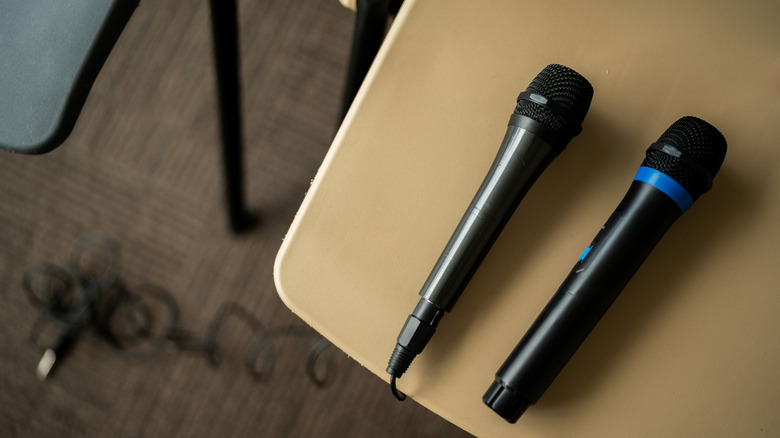
Comb filtering and phasing are possible side effects that can happen when recording instruments. These can lead to poor audio quality upon playback, causing listeners to hear discordant sounds, a slight delay, or an echo in the recording. If you ever hear something that's slightly off while listening on a speaker, such as the Marshall Woburn III — one of the best wireless speakers for audiophiles — it could be due to mic placement not following the 3-to-1 rule during recording.
There's a video posted by Sweetwater that includes what comb filtering sounds like. The footage shows a microphone being used to record an amp playing a guitar track. As it plays, the mic is moved further away to show how the sound is distorted the further away it is from the amp. It's not an unpleasant sound, but does show how having a second mic closer to the amp can help make the sound more localized, while the second mic can be used to show how the sound travels.
Using the 3-to-1 rule allows you to have more control over what you're recording and helps with editing afterward. Having a second mic can be used to cover up or replace any glitches or pings that may come from the first mic, too. It's an all around helpful tool to make your audio sound better to you and any other listeners.