

Roger Ebert Reviewed This Sci-Fi Classic Twice - To Give It A Perfect Score The Second Time
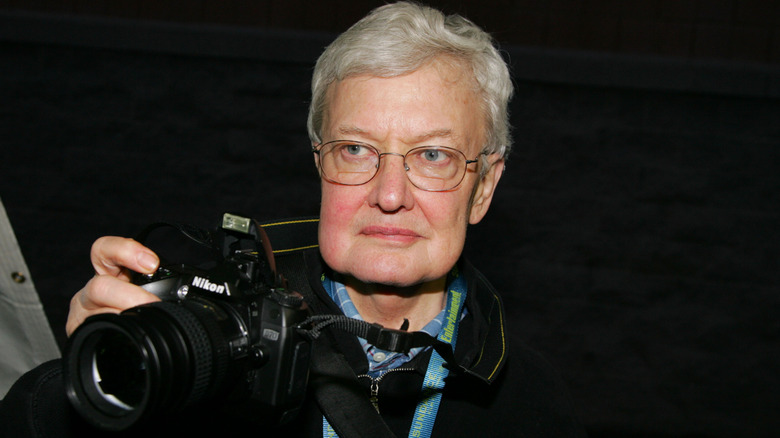
Even after his passing, the word of renowned film critic Roger Ebert is still law to some fans. His cutting breakdowns of some of Hollywood's biggest hits and misses have stood the test of time, but there were the rarest of instances when even he himself acknowledged a film needed a rewatch to get a final rating. One such classic was Ridley Scott's tech-noir masterpiece from 1982 (a great year for sci-fi), "Blade Runner." The adaptation of Phillip K. Dick's short sci-fi tale, "Do Androids Dream of Electric Sheep?" was met with a mixed reception upon its initial release, eventually becoming the staple of science fiction it's now considered to be. For Ebert, though, "Blade Runner" just wasn't checking all the boxes the first time around, and it took a creative alteration from the director to change his mind.
In his initial review, Ebert gave "Blade Runner" only 3 stars, praising the film for its incredible set design and world-building but faltering in its handling of the story unfolding within it. "The movie's weakness," according to Ebert, "is that it allows the special effects technology to overwhelm its story." He also called the villains (including the legendary Batty played by Rutger Hauer) "standard issue," and that "the movie isn't really interested in these people — or creatures." In the end, though, Ebert wasn't the only one unhappy with the film's theatrical release, and it wasn't until some time later that a now-legendary alteration by the director led to "Blade Runner" getting a bit two thumbs up from the longtime critic.
The Final Cut benefited the story, according to Ebert
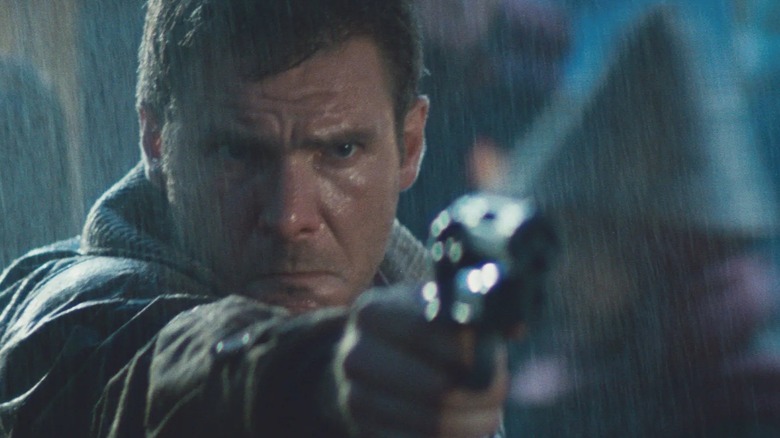
While Roger Ebert was among those who didn't give "Blade Runner" the props it would earn in the years to come, it was almost three decades later that he acknowledged Ridley Scott's film and the various versions released from it had made a cultural impact that couldn't be ignored. In 2007, "Blade Runner: The Final Cut" was available for purchase, along with four other versions of the film that had appeared over time. This led to Ebert upgrading his score to a perfect 4 stars.
At a time when the likes of "Star Wars" had been given an "upgrade" by George Lucas' special edition, Ebert respected Scott's efforts to keep the original intact, but polish only what he was left with. The look and sound of the film had been given a considerable improvement, leaving Ebert to admit that "It looks so great, you're tempted to say the hell with the story, let's just watch it."
Ebert added that, "the story benefits, too, by seeming more to inhabit its world than be laid on top of it." The critic also confessed, "I have never quite embraced 'Blade Runner,' admiring it at arm's length, but now it is time to cave in and admit it to the canon." And canon is where it stayed. It's what led to not only an equally misunderstood sequel, but so many other science fiction entries to try and, well, replicate what had come before, proving that no matter the rating it might've received, its level of influence was off the charts.