

This Bionic Sea Turtle Could Be A Surprising Ally In The Fight Against Ocean Pollution
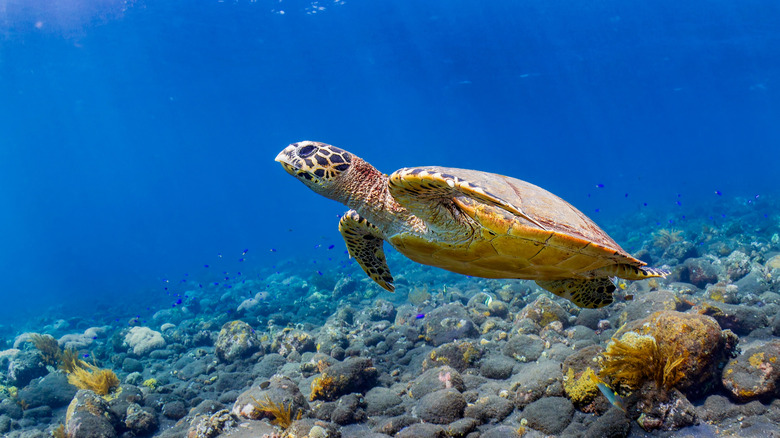
In many ways, it's the steady march of technological progression that's gotten us into our current dire ecological situation. It's appropriate, then, that science should also be the vector of our salvation.
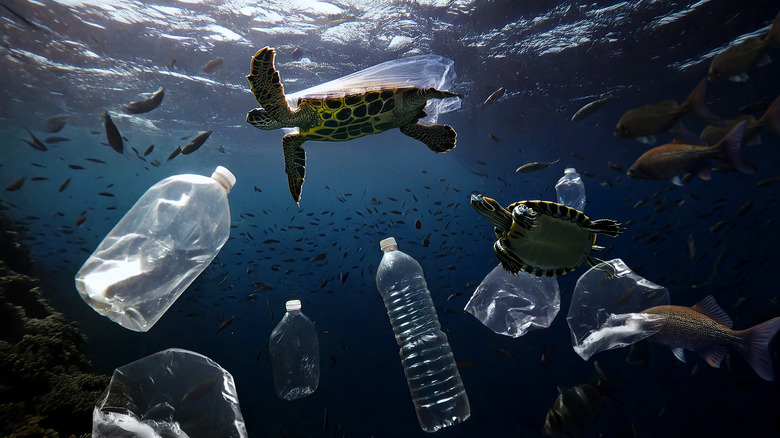
One of the areas most affected by the massive amounts of pollution we've churned out as a species is the world's oceans, which we're destroying one piece of plastic at a time. Every year, we add 12 million metric tons (around 26 billion pounds) of plastic waste to ocean waters, much of which is invisible to the naked eye. To put that in horrifying context, a study by the World Economic Forum in 2016 predicted that by 2050, there would be more plastic in the ocean by weight than fish.
While a variety of cleanup options have been suggested, ranging from autonomous robots and ocean vacuum cleaners to bacteria that naturally eat and break down plastics , we first need to detect and monitor the plastics to target them. That's where this 15-year-old's innovative bionic sea turtle comes in, which uses AI to detect plastic waste and signs of ecological distress in the ocean waters it plumbs.
Tech mimicking nature
Ontario native Evan Budz was struck by a bolt of inspiration on a camping trip. The student saw a snapping turtle swimming through the water and was struck by how graceful it was, and how little it disrupted its surroundings as it moved. His observations moved him to design a ocean-faring, pollution detecting robot in the mold of the turtle, which he dubbed the Bionic Underwater Robot Turtle, or BURT.
BURT was initially designed to detect coral bleaching, the phenomenon where living coral will expel algae when it's distressed, a common indicator of ecological pressures like pollution. BURT uses AI-based imaging driven by a camera and Raspberry Pi system-on-a-chip (SoC), a computer the size of a credit card. Because it swims using flippers like a sea turtle's and not noisier propulsion methods like spinning propellers, it's safer for use in delicate freshwater ecosystems.
BURT has now expanded its remit to include detecting microplastics, and Budz has earned significant recognition for his work, including a number of awards. He's also received a $50,000 grant as part of the Gordon E. Moore Award for Positive Outcomes for Future Generations, which rewards scientific innovations that strive to make "an enduring difference for future generations."