

How Long Do Owners Say Mechanical Keyboards Usually Last?
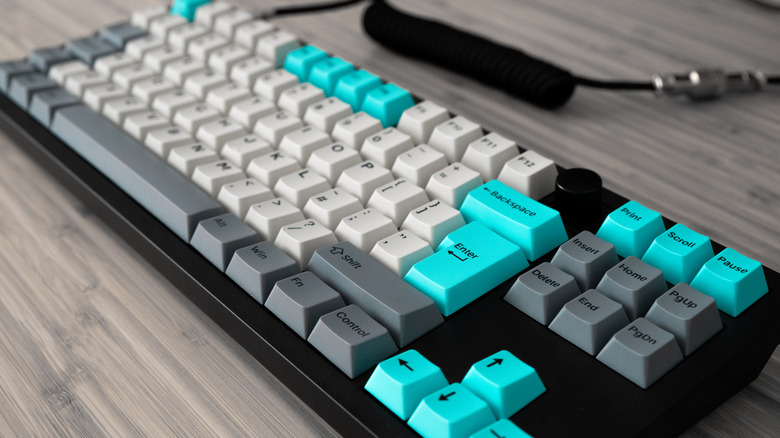
Mechanical keyboards are generally considered superior to their cheaper membrane keyboard counterparts, not just in terms of ergonomics, but also in longevity. The rubber components of a membrane keyboard tend to wear out faster than the solid components of a mechanical keyboard. All the same, mechanical keyboards aren't indestructible; while they can last potentially tens of millions of keystrokes with proper care, they will still fail eventually. Estimates for precise lifespans vary, but based on user feedback from the r/MechanicalKeyboards subreddit, a properly cared-for keyboard can last nearly a decade.
Various factors can influence the overall lifespan of your mechanical keyboard, but the most important ones are what you typically do with it, the environment in which it operates, and the extent to which you care for it. If you're absolutely brutal with your mechanical keyboard and never clean it, it could fail in as few as a couple of years, if not less. With good care practices and the occasional switch or keycap replacement, your mechanical keyboard could serve you well for ten years or more.
Estimates vary, but in the best case, mechanicals can last many years
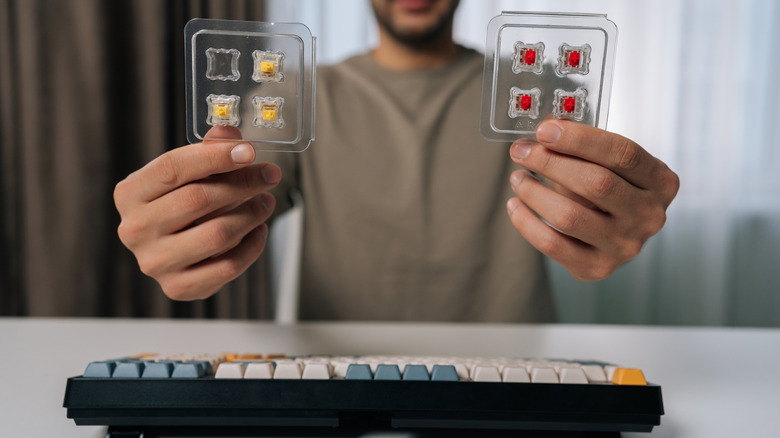
According to manufacturers, most high-quality mechanical keyboards are rated for a total of 50 to 80 million keystrokes in their lifespans, possibly more if you're using extra-resistant hall-effect switches. According to users on the r/MechanicalKeyboards subreddit, this could translate to as many as ten years of consistent usage, if not more. However, these estimates are best-case scenarios.
A handful of users on this subreddit report that, surprisingly, they have had membrane keyboards that have lasted longer than their mechanical ones, with the chief culprit of the latter's failure being mechanical issues like double inputs. Some users report being able to remedy these kinds of problems with D.I.Y. fixes; one Reddit user claims they fixed their mechanical keyboard's double-typing problem by pouring alcohol over the switches, though this alleged fix was only temporary, lasting a couple of months before the problem resumed. This user notes that, while they find typing on a mechanical keyboard comfortable, it is a more expensive investment than a membrane keyboard. In the event of these kinds of failures, there's not much you can do to fix them, at least in the way of simple solutions.
Swappable keys and smart care can help a keyboard last longer
The key to ensuring your mechanical keyboard's longevity is consistent care and upkeep, not to mention knowledge of repairs and replacements should the need arise.
If you want to get really granular with your mechanical keyboard's upkeep, you can use a three-level system for regular care and maintenance. This system includes quick cleans with compressed air once a week, more detailed monthly cleans beneath the keycaps with isopropyl alcohol, and full deep cleans with keycap soaks at least once or twice a year. Don't forget to keep your key switches lubricated as well. This elaborate cleaning regimen will ensure that no foreign matter, such as dust or crumbs, can get into or under your keycaps, clogging and damaging switches.
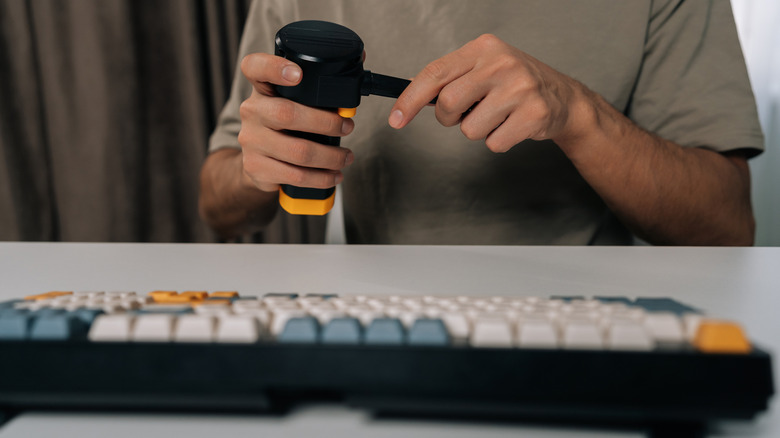
Higher-end mechanical keyboards also have a very particular advantage when it comes to upkeep: hot-swappable switches. If you wanted to swap the switches in a regular mechanical keyboard, you would need to rip the switches out whole with a desoldering pump, then solder in new ones. It's time-consuming, expensive, and requires specialized knowledge. Hot-swappable mechanical keyboards, meanwhile, can have their switches removed with a simple switch-pulling tool, then have new switches slotted right in. If any of your switches fail, you can simply replace them piecemeal, so as long as the keyboard's baseline mechanics are still okay, you can prolong its lifespan exponentially.