

Mechanical Vs. Membrane Keyboards: Which Type Is More Ergonomic?
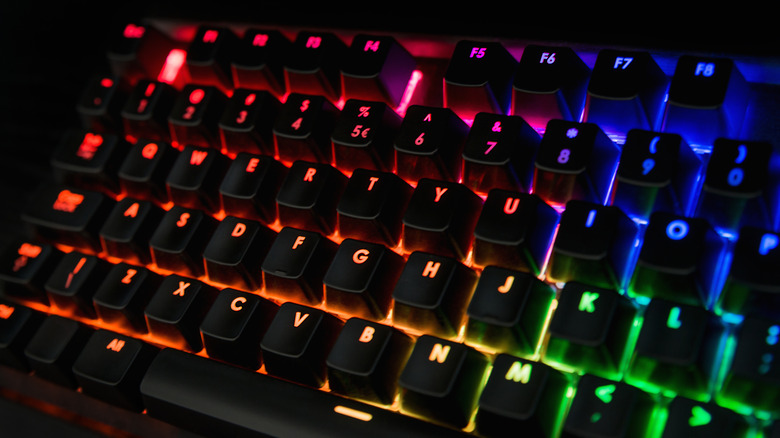
Anyone who spends several hours a day at a keyboard has probably wondered which type is more ergonomic: mechanical or membrane. In simple terms, mechanical keyboards feel more comfortable for prolonged use. That is because they use customizable switches that may reduce finger strain, while membrane models do not offer the same flexibility.
Those familiar with mechanical keyboards have already noticed that the device registers commands before the key reaches its lowest point. Because of this specific mechanism, users can avoid applying maximum pressure with every single keystroke. Although this may seem superficial, when you consider that people use these keys hundreds of times a day, it reduces muscle effort in a meaningful way.
Membrane keyboards have a much more rigid mechanism. In order for them to register a command, it's necessary to press each key all the way down and apply a similar amount of force every time. For anyone who has always wondered why people choose mechanical keyboards more often, this limitation plays a major role.
Modularity makes mechanical keyboards more ergonomic
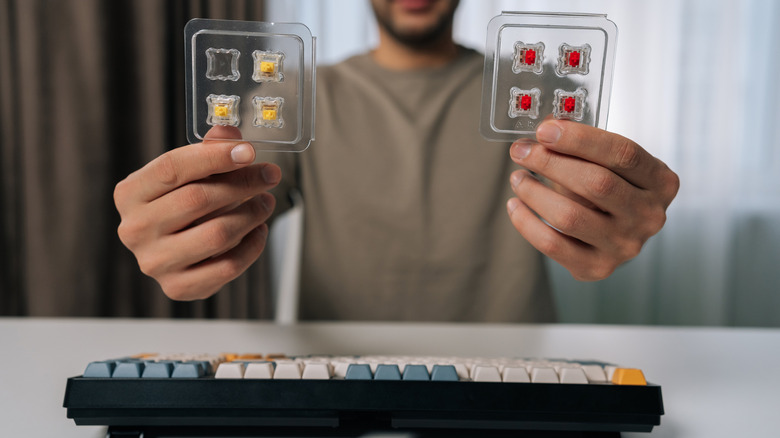
The biggest advantage of mechanical keyboards comes from customization. Besides letting users adjust height and tilt, they often let users change the switch type on each key. These switches come in different colors, so you can make the keys you use most during the day more sensitive to touch.
So, no matter how demanding your routine is, you can shape the device to work at your own pace. Linear switches are quieter and do not make that characteristic clicking sound. Tactile switches register a click at the moment they record the command, so you can train your fingers not to press all the way down and reduce the strain that builds up with each click.
It's worth remembering that not every mechanical keyboard offers this level of customization. Before buying new switches to customize your device, you need to check whether the model is hot-swappable. Only these keyboards let you change switches without buying a new one. So it's important to check this before buying one or choosing a switch type that better fits your needs.
Membrane keyboards cause more finger and wrist fatigue
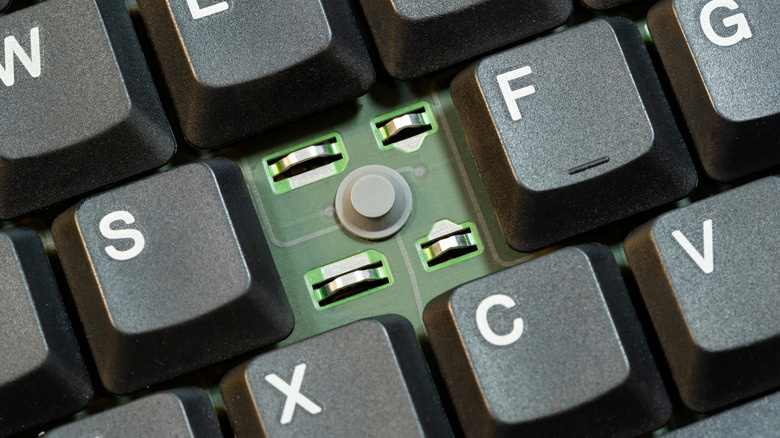
Although they offer better prices, membrane keyboards rely on a single rubber sheet installed under all keys. To register a command, you have to press all the way down so the membrane compresses against the circuits. This is one of the biggest problems with the design, since you need to repeat this movement every time you type.
The behavior, called bottoming out, represents a significant hurdle for those seeking better ergonomic performance on this kind of keyboard. Each keystroke generates a minor vibration that travels from the fingers to the wrist, occurring thousands of times daily. The resulting tension can lead to hand exhaustion, potentially aggravating conditions like tendinitis for frequent users.
The lack of customization is also a problem. On a membrane keyboard, you cannot adjust the resistance or actuation point of the keys. For that reason, even if the investment costs more, it is better to look for a cheaper mechanical keyboard than to stay with a membrane model.