

China Has A Solar Power Surplus We Could Only Dream Of — But It's Going To Waste
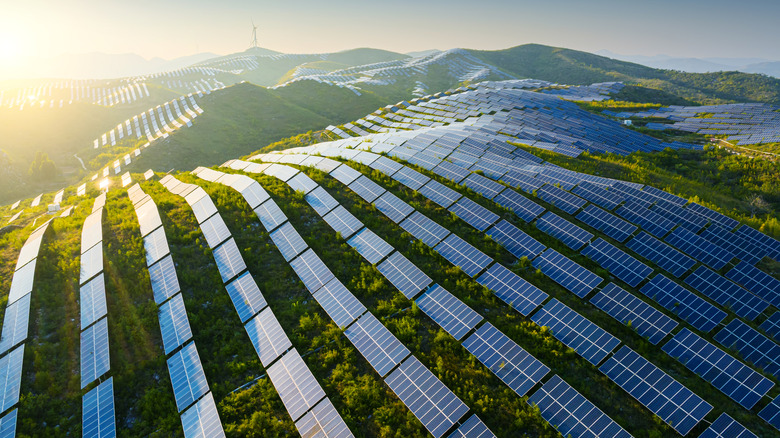
In an effort to improve energy security and clean up its energy production, China has built an impressive solar and wind power infrastructure. However, inefficiencies and aging commitments are leading to waste, waste that in turn is increasing the usage of traditional energy sources like coal and gas, another way that fossil fuels are negatively impacting the use of renewable energy.
With that increased reliance on coal and gas comes a spike in CO2 emissions. According to a report by the Centre for Research on Energy and Clean Air published by Carbon Brief, emissions have risen by 2% year-over-year in first quarter of 2026. That's especially significant because China's emissions had been steady or declining for 21 consecutive months, according to Carbon Brief's analysis from February of this year.
The problem didn't result from a shortage of renewables; China has invested in a significant offshore wind turbine, and its massive desert solar farm has even been shown to be encouraging new plant growth around it. The issue is a rise in the amount of electricity that was effectively "wasted" because it couldn't be accommodated by the current power management systems.
A poorly managed abundance
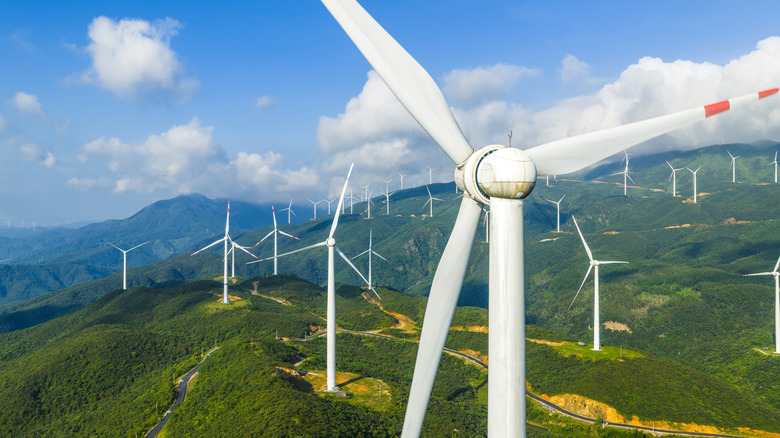
Wind capacity rose 23% and solar capacity rose 33% from a year earlier, yet actual clean-power generation increased far less than expected because capacity factors fell. According to Carbon Brief's reporting, the system could have produced roughly 170 TWh (terawatt-hours) more energy from clean power sources in the quarter if curtailment had not worsened, easily outpacing the 120-TWh spike in demand.
However, a significant amount of that energy surplus was lost due to inefficiencies. Existing contracts with coal-powered energy producers meant that a certain quota of energy had to be produced by burning coal, which in turn meant there was limited potential to fill demand with clean energy production. Rigid standards for electricity trading between regions also meant that areas with clean energy surpluses couldn't necessarily transfer that power to regions where there were deficits, forcing those regions to rely on local coal or gas facilities.
That situation leaves China in an awkward position. While it's still adding enormous amounts of renewable capacity, it's also burning more coal and gas than necessary because the system is too inflexible to utilize its solar and wind output. Carbon Brief's report says the power sector's CO2 emissions rose 4% year over year in the quarter, while emissions would have been flat without the increase in wasted wind and solar.