

A Walmart Manager Uses AI To Get Workers Home On Time - Here's How
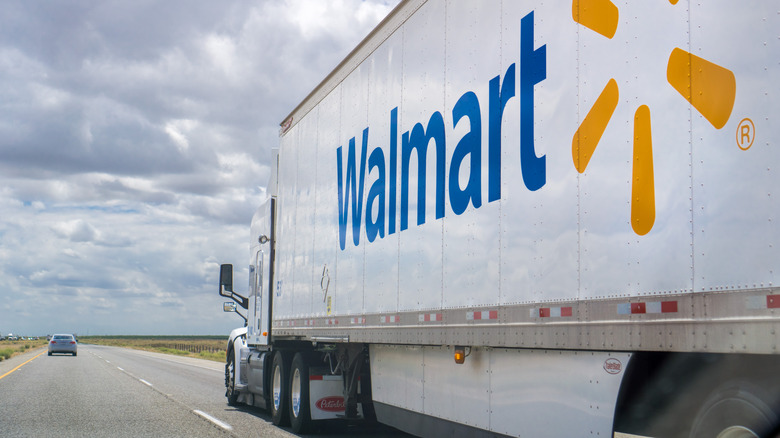
Reading about AI and its less-than-favorable aspects, such as Amazon data centers using over 2.5 billion gallons of water in a year and AI moving jobs out of tech, makes it easy to lean into doom and gloom. Yet, there are positive sides to AI, especially when it's in good hands. Case in point, a former truck driver for Walmart (now a regional load manager), Leo Garcia, created an AI app that solves the problem of "empty miles" for truckers.
After completing a Google AI certification program offered by Walmart to its employees, the Bentonville load manager developed an app that automatically searches for truckloads in a specific geographic location. It finds five ideal loads that truck drivers can pick up on their way home, to limit empty miles. These are the inefficient parts of the job that most drivers have dealt with in their career: Not being able to locate a backhaul on their return journey.
To illustrate how well the app performs, Garcia shared a story of a driver who was supposed to make a pickup on his trip back home but learned it wouldn't be ready for three hours. Using Garcia's AI app, the driver found a different load five miles away ready to go to the same location. This kept the driver on schedule and got him home on time.
How AI is solving logistics problems
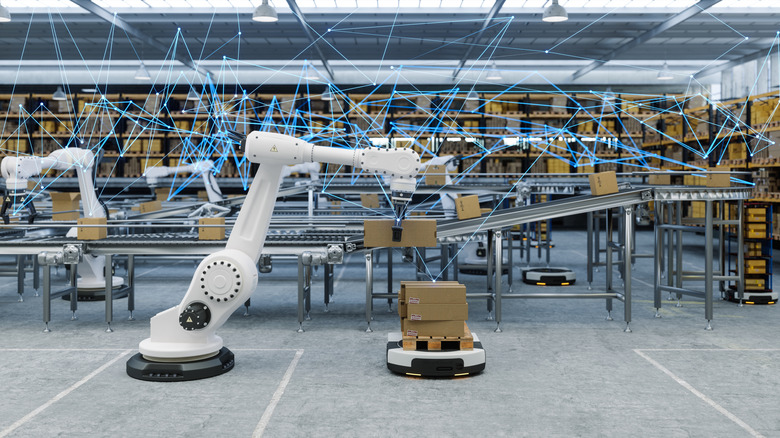
Walmart truck driver app aside, are there other similar cases of AI truly helping in the workplace? Though companies like Amazon may replace delivery drivers with humanoid robots, not all AI solutions are designed to take people's jobs. Some supplant human workers and limit logistics hiccups for businesses. For instance, DHL Express put AI-powered robots to good use in sorting small parcels. The company says the robots can sort over 1,000 of these packages in a single hour.
Though humans oversee the process, this combined approach boosted DHL's sorting capacity by over 40%. Frito-Lay solved a logistical problem through predictive maintenance. By deploying IoT sensors in its plants, managers can predict mechanical breakdowns long before they put production out of commission. The result was zero unexpected equipment failures for the first year.
From optimizing routes to identifying bottlenecks in production, AI has many uses in logistics that are in line with the spirit of Leo Garcia's vibe-coded app. Once you peek past the doomsday narrative, AI is a tool that can work well when deployed properly. Of course, problems remain, and they're something we'll have to deal with going forward, but it's hard to deny how helpful AI can be when it makes our lives (and work) easier.