

What Makes An International Alexa Device Different From An American One?
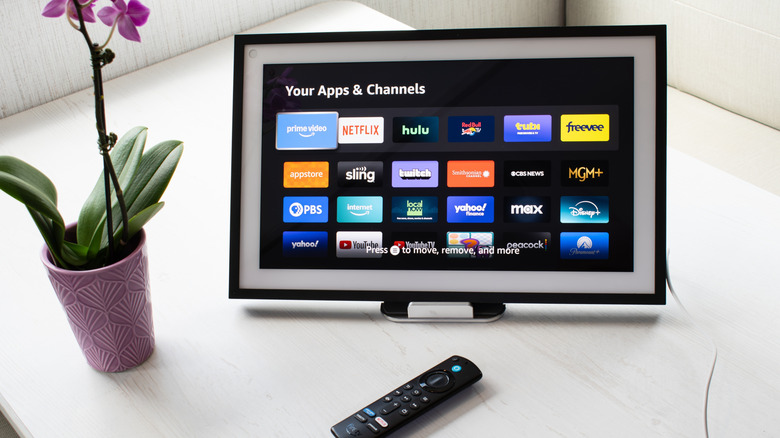
Everyone loves a good deal, especially when looking to add another Amazon Alexa device to your smart home setup – there are plenty actually worth buying, too. You might have even seen a deal that seems too good to pass up from a highly-rated seller, but the catch is that it's an international version of the hardware. That should serve as a warning sign because, if you assume that an international device will plug and play exactly like a domestic model, you might be in for a frustrating surprise. Let's take a look at the differences between American and international Alexa devices to better understand them, so you don't end up wasting your money.
The first noticeable issue you'll encounter is different (and incompatible) plugs. While plug adapters aren't wildly expensive, having to buy one chips away at the lower price tag of the international Alexa unit. The other major issue revolves around differing radio and Wi-Fi bandwidths. For example, your Alexa speaker needs to be able to connect to your home's Wi-Fi network and seamlessly communicate with your other smart devices, like smart bulbs or even smart plugs for your dumb gadgets. However, international Alexa devices are often set to work with different wireless frequencies and networking standards than those in the United States. This means that if you bring an international version into a U.S. home, it'll likely struggle to recognize your smart devices because it's literally tuned to the wrong wavelength. Missing out on this handy integration strips away the seamless automation that makes these gadgets so appealing to begin with.
Missing apps and the true cost of a cheaper smart speaker
These imported devices also face plenty of software limitations. Amazon has specifically stated that podcasts, shopping, select Alexa Skills, Audible, location-specific news and information searches, and certain music providers (like SiriusXM, Pandora, and iHeartRadio) are all features that are unsupported for international version devices. Beyond that, both the Alexa app and Amazon Music Unlimited are unavailable in some regions. You may even end up having to deal with extra paid subscriptions and wonky shipping availability, not to mention extra charges in the form of international shipping fees.
Simply put, if you buy an Alexa device from Europe or Asia, it'll be set up to work in that region, not the U.S. Many regions flat out don't have access to some, or even all, of the key Amazon apps and premium services. Due to complex licensing agreements and regional data privacy laws, an international Alexa likely can't access the same library of localized apps or streaming platforms that one from the U.S. can.
This means you might find that your favorite local news briefing or voice-purchasing features are unavailable (or blocked). Without these apps, your international Alexa device could essentially become a basic Bluetooth speaker, no matter how many essential Alexa tips and tricks you know. With this potentially highly-limited functionality and the probable need to buy an adapter plug and cover other fees, the fantastic discount you were looking at may end up not being much of one at all.