

Why Are Chinese EVs So Much Cheaper Than American Ones?
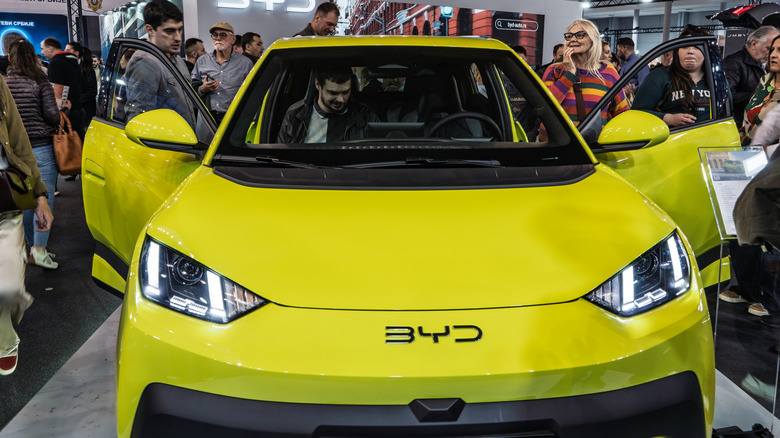
If you've been EV shopping in the last five years or so, you may have noticed that Chinese models, though generally a much smaller slice of the available inventory, are often cheaper than Western-made EVs, even accounting for import duties. BYD has recently overtaken Tesla as the world's most popular EV brand, in large part due to significant pricing advantages, which are even more pronounced in China, where it's often explained away as the result of disproportionate state subsidies. However, the reality is more complex.
State subsidies do play a role. The Chinese government offers Chinese EV manufacturers production and R&D subsidies and support, plus cheap land, loans, and grants, and most of these EVs sold in China are exempt from the vehicle purchase tax. However, according to a report by the Rhodium Group, a research firm based in New York, state subsidies only account for a small percentage of the price gap between Chinese and Western-made EVs. The remaining disparity is the result of a mix of deeper vertical integration, greater production scale, and lower R&D and overhead costs.
How Chinese manufacturers slash costs without cutting margins
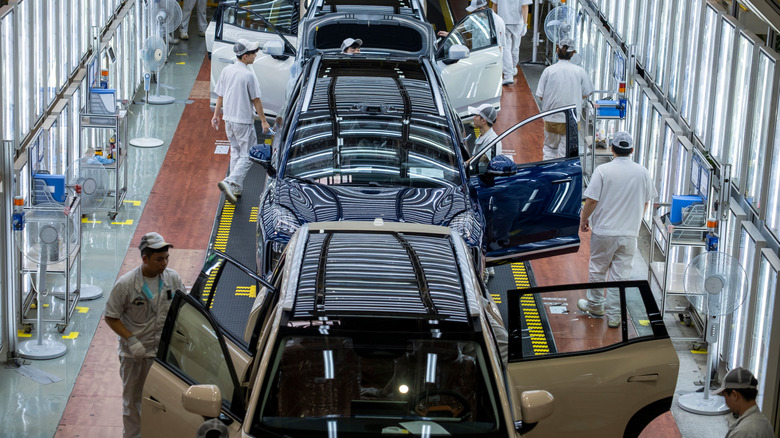
The Rhodium Group report shows that lower pricing isn't the result of Chinese EV manufacturers taking a hit on profit margins. Instead, Chinese manufacturers are able to fully own and control more layers of their production infrastructure than other Western manufacturers building EVs within China, with localized supply chains and access to the same low-wage labor as their Chinese rivals. Focus is also an inherent advantage for many Chinese EV makers who concentrate almost entirely on sales within China, as it means much of their operations are local to China and not spread out internationally, incurring all the additional costs that globalization implies.
The cost disparity is significantly impacting Western EV makers market share in China, the world's second largest economy. Western manufacturers have lost 40% share since 2020, when they controlled two thirds of the country's EV market, and profits have deflated accordingly. The trend is also having broader knock on effects, as China reduces the import of foreign autos, and may lead to spillover where cheaper Chinese EVs begin to push into other markets. It's also led to other companies attempting to muscle into the EV space, as evidenced by smartphone manufacturer Xiaomi's plan to sink billions into its own electric car project, while EV makers simultaneously branch out into other areas.