

Why Did Samsung Ditch Titanium On The Galaxy S26 Ultra?

Ever since the inception of the Galaxy Series of phones, Samsung has made quite a few changes — and that's certainly true of the Galaxy S26 Ultra with its new privacy display feature. That change is a little more obvious, as you can use it to prevent snoopers and onlookers from peeping your messages and private content. But there are occasionally changes that happen mostly unannounced. For example, the Galaxy S26 Ultra's frame material was quietly swapped from titanium in the previous models to aluminum.
2024's Galaxy S24 Ultra had the phone encased in a titanium frame, and this practice returned for the Galaxy S25 Ultra. But for the latest model, aluminum was used instead, and there was no official word on why for those who noticed the change. Earlier this year before the big launch, Samsung responded to SamMobile and explained what's going on with the new design.
In the interest of innovation, and to "balance strength, comfort and design intent" in each new generation, Samsung says it consciously makes decisions on the materials used. For the new Galaxy S26, the goal was "to create the slimmest S series Ultra device yet" without compromising on strength and reliability. According to the brand, "Armor Aluminum," as it's called, was the "ideal material" for this endeavor. It's what allowed the phone to achieve a thinner, lightweight form factor while preserving durability. That's the official reasoning given, at least, but there might be more behind this change.
Samsung wasn't the only manufacturer to ditch titanium
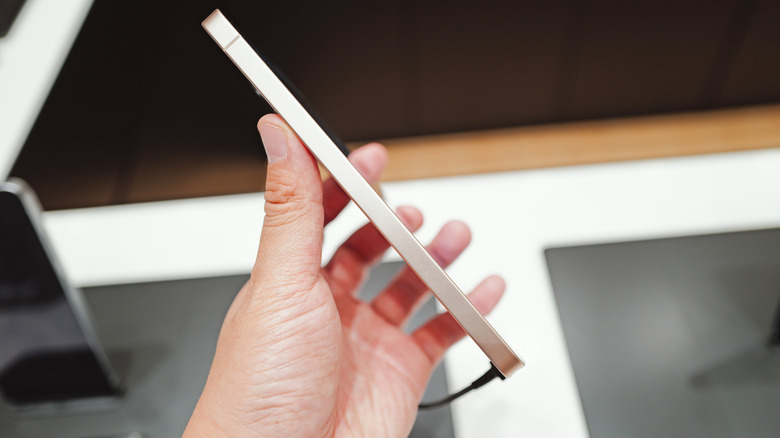
Another big smartphone maker stopped using titanium in its flagship models before Samsung: Apple, with its Pro and Pro Max iPhone versions. Apple first introduced titanium frames back in 2023 with the iPhone 15 Pro and Pro Max, but they were left out of the iPhone 17 Pro. The company seems to have also made those changes for the same reasons Samsung has.
Aluminum is lighter, and better at heat dissipation, which works well with the new vapor chamber cooling system used in the latest iPhone models. Moreover, titanium is more expensive and more complex to machine or work with, leading to slower production cycles and potentially more waste due to higher scrap rates than aluminum. Granted, the company didn't move away from the material completely. Titanium is still being used for the iPhone Air frame.
Material and production costs also likely play a large role. With hardware shortages already hiking up development costs, it makes sense that phone makers would look to make some changes elsewhere to reduce overhead. Opting for a cheaper material alternative that's both lighter and offers better performance properties seems like the obvious move from that perspective.
It didn't seem to drastically change much about the experience
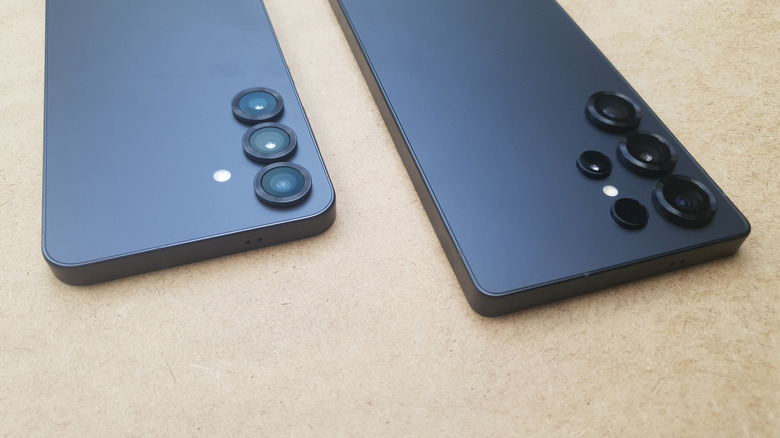
As our in-depth Samsung Galaxy S26 Ultra review states, the newest release of the lineup is more refined than ever. It also has plenty of cool new features worth trying out, though they would all still be accessible even if the phone was made of titanium. But what's more striking is how the change of its frame material doesn't really harm the overall experience from the previous models.
What are the specifics, though? The Galaxy S26 Ultra is 18 grams lighter than the Galaxy S24 Ultra and four grams lighter than the S25 Ultra, which makes it more comfortable to hold one-handed. The better heat dissipation from the aluminum frame — combined with the larger vapor chamber for cooling – also improves performance during hardware-intensive tasks like gaming.
As Phone Arena reported during its testing, the S26 Ultra achieves higher frame rates with less stutter and less heat generated overall than its forebears. Even if you don't use your Galaxy S26 Ultra for gaming, that bodes well for other tasks like continuous streaming, capturing or compiling high-resolution video, and AI-related generative projects.