

Meta Is Taking On The RAM Crisis In A Way You Wouldn't Expect
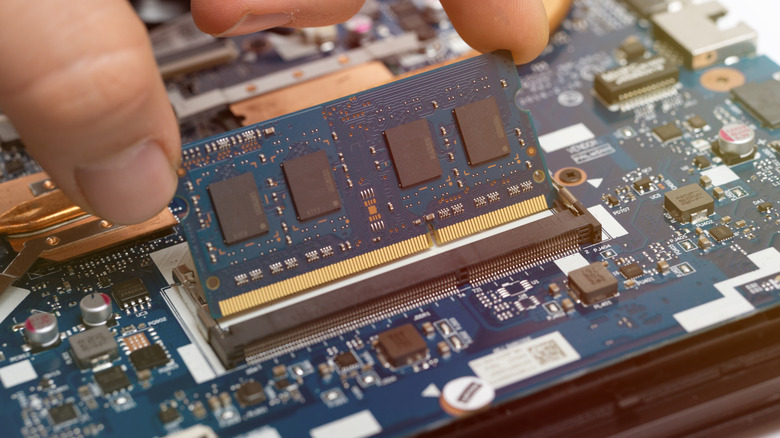
With the RAM shortage spiking prices, it's no surprise that even some of the biggest players in the tech industry are looking to storage as a place to save some cash. While there are some hopeful signs, like RAM production ramping up and moves being made by Google to help lower prices, the short term of the chip shortage is significantly impacting many companies' bottom lines. Meta, in response, has taken the dramatic step of recycling old RAM in some of its AI servers.
The company revealed at ISCA 2026 that it's plucking DDR4 from decommissioned servers and integrating it directly into what were once DDR5-only servers, according to a report at TechSpot. Its employing some technical wizardry to ensure that the mixed memory is able to play well together — which has historically been a major issue when trying to blend memory from multiple generations. Meta is also working so that it doesn't result in a noticeable dent in performance.
Bridging generations
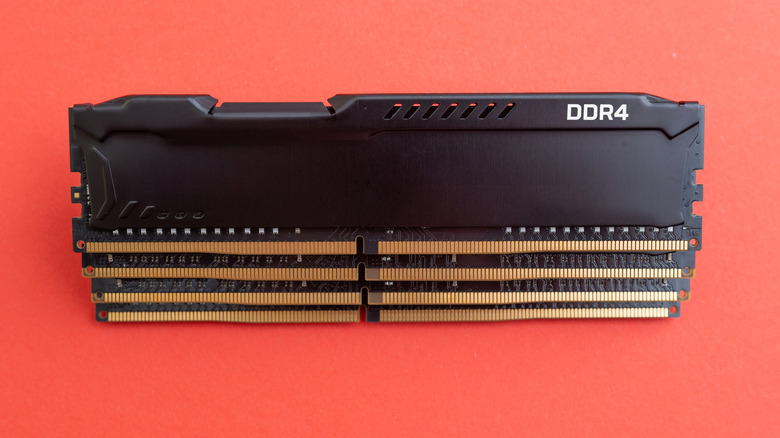
Meta's new servers, which it calls "MemServers," consist of roughly 75% DDR5 and 25% recycled DDR4. Key to ensuring that older, slower memory doesn't lead to an undue loss of performance is Meta's ability to prioritize frequently called data, and keep it stored in DDR5. The DDR4 is being reserved for data that's not utilized as often.
Modules of older and new RAM are able to communicate and coordinate with one another thanks to a technology called Compute Express Link (CXL). CXL is built on the same physical infrastructure as existing PCIe architecture, allowing Meta to plug custom CXL memory‑expander cards into PCIe Gen5 slots without requiring dedicated DDR4 memory slots on the motherboard. The cards carry Meta's Vistara ASIC, which presents itself as a CXL Type‑3 memory device over that PCIe link. According to Meta (via TechSpot): From the operating system's perspective, the DDR4 attached via Vistara appears as a "CPU‑less NUMA node," meaning its separate from the local DDR5 DRAM that sits on the CPU's memory channels.