

Static Vs. Dynamic QR Codes: What's The Difference?

You might know that the idea for QR codes came from a board game called Go. That idea has sparked a massive industry with an estimated market size of $15.2 billion in 2026, according to Mordor Intelligence. Its market size is projected to more than double by 2031. There are two primary categories of QR, or "quick response," codes — static and dynamic. The primary difference between the two is that the data associated with a static design cannot be changed after publishing the QR code, while the dynamic design's associated information can be altered and updated at any time.
With concerns over people falling victim to "quishing" scams after scanning fake QR codes, you may wonder whether using static or dynamic QR codes is safer for businesses and end users. The static QR code doesn't collect any data during the scanning process, which alleviates concerns over a loss of personal data for end users. However, businesses may prefer having this analytical data, which becomes available because the dynamic version points to a short URL that simplifies capturing end user data. The static design cannot use a short URL. The dynamic QR code does give businesses the ability to deploy multi-factor authentication (MFA) or password protection as an added security layer, but the static design doesn't offer these security layers.
Situations where dynamic QR codes offer key advantages
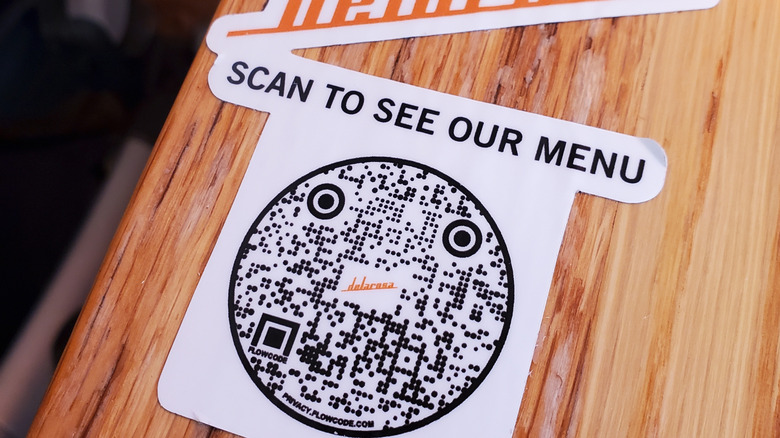
Some businesses prefer the use of dynamic QR codes over static designs because they always give the end user the most up-to-date associated information. If the business needs to match a different webpage with a certain QR code, the dynamic design makes it easy to create a seamless changeover. The business doesn't have to worry about updating the dynamic QR codes, which is a cost-effective, advantageous difference if it has printed the QR codes on marketing literature.
A company that is open for different hours at various times of the year or that may need to update information regularly (such as with a restaurant menu) are more likely to benefit from dynamic designs. For someone who is job hunting, adding a dynamic QR code to a resume lets you keep your portfolio of work up to date without having to redo the resume every time.
If you're wondering why we haven't run out of QR codes yet, you may believe dynamic designs can help with managing the overall use of QR codes. After all, you don't have to create a new design every time you want to change the associated information when you use a dynamic design. However, the reality is that there's no limit to the number of QR codes available, so you don't have to choose dynamic QR codes to try to preserve them.
Differences that may give static QR codes the advantage
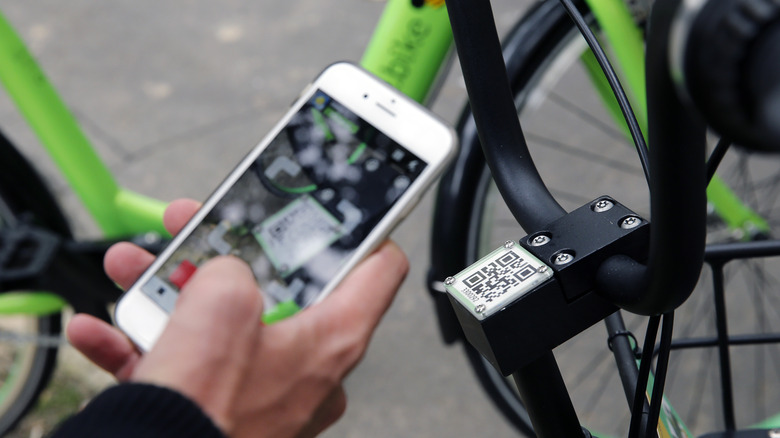
When you need to deliver a basic, unchanging message to end users, the static QR code is the better choice. Some people use it to provide end users with things like a location on a map for an event, a digital instruction or assembly guide for a product, or a coupon they can use at a store. (If the coupon's terms needed to be occasionally updated, though, the store might choose a dynamic QR code.)
A key difference between static and dynamic QR codes is that the static designs typically have no cost associated with them. Dynamic QR codes have an ongoing cost that could range from about $1 to $3 per month. However, you might have add-on costs for the dynamic version, based on the number of scans that occur, the type of data you want to track, and which security measures are in place. Some plans can cost as much as $35 per month.
Will a static QR code expire if the information associated with it is no longer viable? It doesn't expire, but if the webpage associated with the static QR code crashes or is no longer available, the person scanning the static QR code will simply see a dead link for the webpage. This is different from dynamic QR codes, which may expire if you created the dynamic design using a free trial and failed to pay for the ongoing subscription.