

4 Common Problems For Local Residents When A Data Center Is Built In The Neighborhood
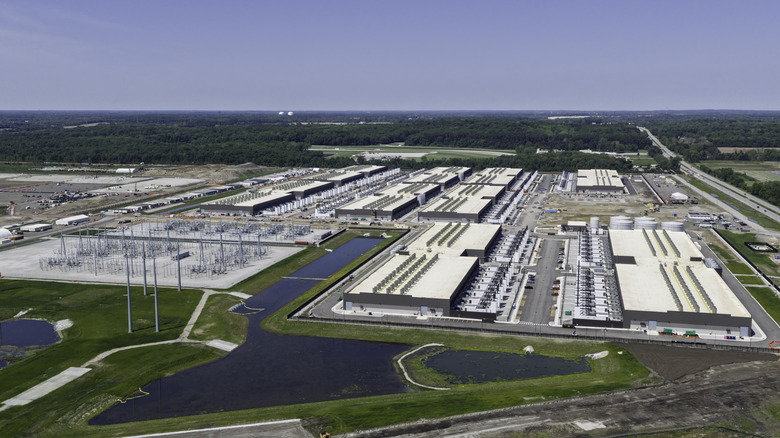
Data center construction has gained significant momentum in the last few years, with 831 operational construction sites as of this year. The steady push for building more infrastructure is a result of growing demand for AI tools and services as countries and tech companies continue to bet the future on AI. When you use an AI tool like ChatGPT, you rarely think about how the magic happens behind the scenes or its effect on the geographical location. You make requests from your phone or PC, and the data center processes them and sends the results to your device.
A data center is different from a commercial complex or a factory and needs a lot of resources to operate, significantly driving costs of utilities up. However, an AI data center does a lot more than just increase utility prices. It might look like a calm, non-invasive structure, but from the moment its construction begins, it also upsets the peace and degrades the quality of life in the region, reducing air quality, causing noise pollution, and even lowering property values. Here's how.
Spikes in electricity prices
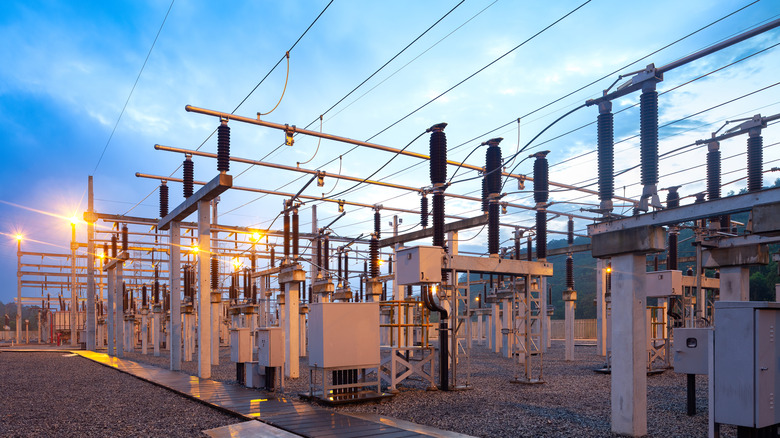
A hyperscale data center can consist of thousands of servers, each equipped with the best custom processors, graphics cards, and memory. Along with that, the facility needs electricity for massive cooling systems, security, and more electrical equipment. But how much electricity could it possibly use? A typical hyperscale data center requires 50 MW of electricity and uses up to 1.2 GWh in a day. That is sufficient to provide uninterrupted electricity to 42,000 homes, which means a single facility can consume as much electricity as two or three small towns.
Such an abrupt rise in demand puts pressure on the existing power infrastructure. In many cases, the existing infrastructure needs upgrades, and power companies try to recover the investment by raising prices. According to a Bloomberg report published in September, 2025, monthly electricity prices increased to 267% in the last five years in regions where multiple data centers exist. Local residents have to bear the brunt of this strategy while data center companies receive tax deductions and other benefits.
Data centers can reduce water quality
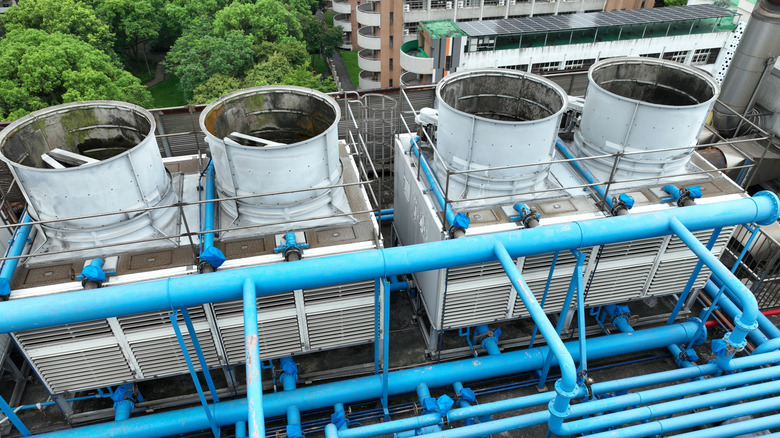
A modest-sized hyperscale data center can use at least 1 million gallons of water per day (via EESI) to keep the servers cool and prevent component damage — a concerning number for local residents. That's enough water to fulfill the daily water demands of over 3,300 homes. Meanwhile, larger centers can easily use up to 5 million gallons per day. The irony is that the regions with the highest concentration of data center facilities often struggle with droughts and have low natural water reserves. When a data center begins operations, it taps into underground water sources, which causes a shortage for local residents, agriculture, and other essential uses. For example, Virginia is a hotspot for the data center ecosystem, and despite an imminent water shortage due to drought conditions, there are roughly 200 operating/emerging facilities in the state's Loudoun County alone.
A 2025 BBC report highlights the plight of a woman whose home is quite close to a Meta data center. She experienced a drastic change in the groundwater quality after the data center became operational, and had to stop drinking the well water due to a buildup of sediment. There are other methods to cool the servers and put less strain on the groundwater and natural water sources. But the adoption rate of alternative methods like immersion cooling is slow due to a higher upfront cost, energy limitations, and scaling constraints.
Data centers worsen local air and noise pollution

Most data centers rely on electricity, but they can also use other forms of energy, such as gas and diesel generators for primary and backup power. This strategy worsens the climate around the region because non-renewable energy sources cause more pollution. During the data centers' construction phase, a lot of dust and debris are scattered around, which can cause breathing and vision-related problems for people who live close by. Diesel generators are a backup strategy, but they raise the amount of fine particulate matter in the air and aggravate respiratory issues for existing patients.
Data centers also use heavy cooling systems like air conditioning units, large fans, and chillers that increase noise pollution. They emit both audible high-frequency and inaudible low-frequency sound. In a recent NBC10 interview, a Vineland resident described the low-frequency noise as "pulsating through the house," making it difficult to sleep. There are multiple complaints about the low-frequency noise because it isn't considered a major problem in most local zoning ordinances and noise regulations, even though it can significantly affect sleep quality.
Data centers diminish property values and create mostly temporary jobs
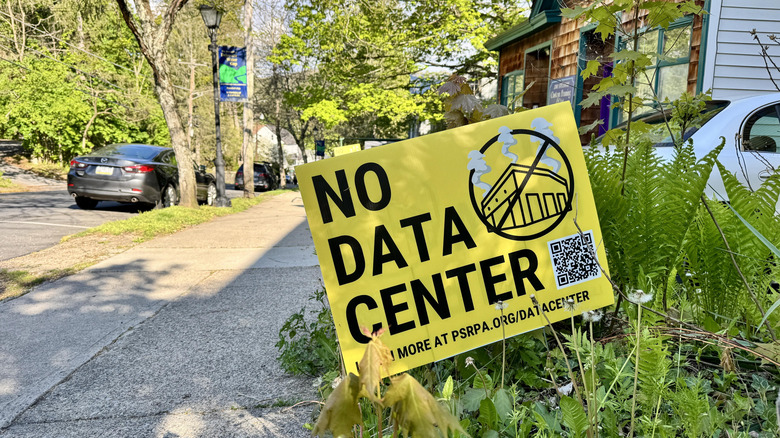
Data centers don't boost the location's job opportunities like other industries do. In the initial construction phase, there's a small increase in employment for local technicians, building contractors, and HVAC professionals. After the data center becomes operational, these jobs are reduced significantly. Staffing Industry Analysis shows that, in 2023, PwC's new data center generated 1,000 to 10,000 jobs during the construction phase, but the number shrank to 50 to 300 after it became operational. If you compare it with any other factory, like a manufacturing unit, the employment scope is higher. Data centers use a minimal on-site workforce, and most of them need to be proficient in handling computers, networking, and server management. These are highly specialized skills and are often rare in small towns and rural areas, which is where data centers are most often constructed.
Furthermore, as more data center facilities sprawl in a region, it's easy to imagine how they could negatively impact local property values. If a family wants to settle in a small town or an area that's slightly far away from city chaos, it'll show less interest in locations with data centers and other industrial buildings. This ties in with all the problems mentioned earlier, such as noise pollution, depleting water levels, high electricity costs, a heavily industrialized environment, and limited long-term job opportunities — all of which lower property appeal.