

Stock Vs. Custom UI Android Phones: What's The Difference?
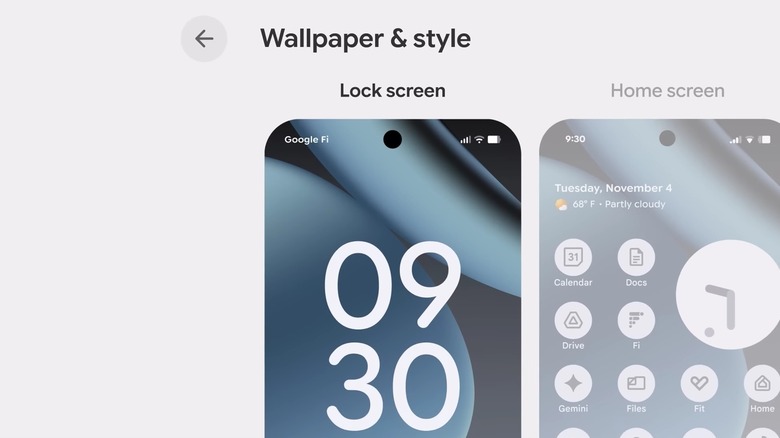
Longtime Android nerds who remember which versions dessert-based codenames stood for know that the mobile operating system of 2008 is not the same one we see today, gracing our phones, tablets, smartwatches, and all sorts of other screens in our lives. Besides the raw technicals, it's just a visually different beast: Since launch, Google has undertaken four major makeovers for the platform. As of writing, the latest is the third iteration of Material Design that launched with Android 12 in 2021.
Material Design, however, isn't the only camp on the grounds: Samsung's One UI and a number of interfaces from Chinese brands can be loosely grouped into a different, glass-based collective. Why is that? And what ever happened to the idea of "stock Android" anyways? The answers to those questions are, as ever, complicated. They mainly revolve around Android's reputation of customizability in the face of Apple's more stodgy approach to iPhones during a period of rapid growth. A "stock" Android experience does not exist the way you think it does.
What are the differences between stock Android UI and custom UIs?
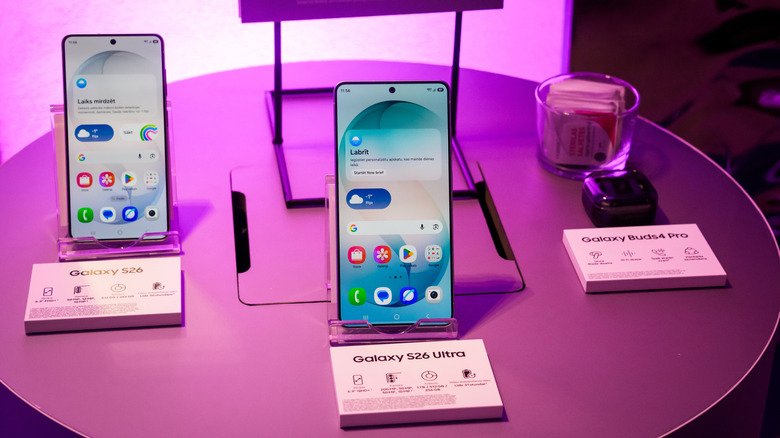
Since inception, Android has allowed users to customize large portions of the experience. This can mean deep-level automations so that your phone switches to a different theme when you come back home, or something as simple as changing the typeface your systems uses to display text. That baked-in functionality does not change with a different UI, but you might access that functionality in different ways — thanks to the extra tricks some OEMs put into software.
When it comes to the look of Material Design 3, Google designers took version 1's base concept of resizable digital paper cards and evolved it by fashioning curvy shapes, advancing a physics-based motion logic, and adding dynamism to color sets and font weights. The resulting template gives off a bold attitude with text and pictographs leading an information-first approach. Samsung's One UI — and software skins from Chinese brands like Xiaomi, Oppo, and OnePlus — aims for a more naturalistic vibe. Those designs are driven by panes of clear and translucent glass surrounded by neutral colors, and accented with a more refined palette. These companies also aren't afraid to take inspiration, as is the case with Samsung's selfie camera-based Now Bar looking similar to iPhone's Dynamic Island.
Each company is sure to point to its own service ecosystem when creating pathfinding flows in the UI, and some of them take advantage of hardware like Google's Pixel 2 and 3 lines did with Active Edge, a feature which let users trigger a shortcut by squeezing their phone. But at the end of the day, you should be able to access the same granular notification settings, the same default app settings, and the same account management settings the way you would any other Android phone.
What happened to stock Android?
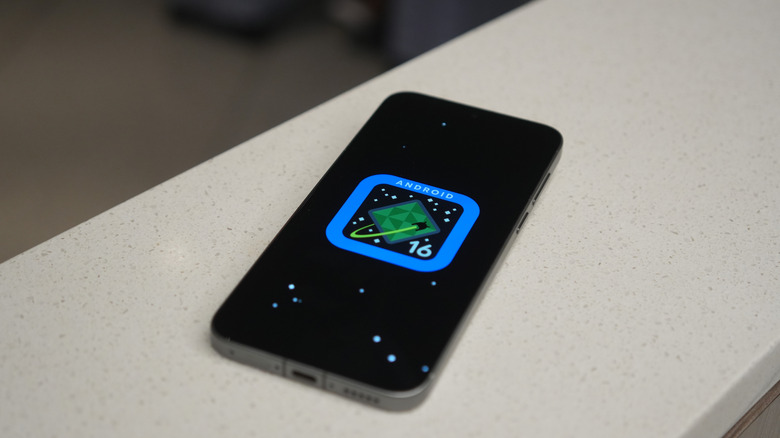
Early on, Google distributed Android to phone makers on the basis that phone makers had to integrate access to Google services as part of the operating system. The 2010s saw brands sell hundreds of millions of units as manufacturers catered devices to different regions and price levels, something Apple couldn't do. Brisk phone sales led to people seeing ads while using Google Search or watching YouTube, and drove massive revenue back to Google. Aspects of that licensing agreement have come under fire from antitrust authorities in recent years, but that's another story.
At the same time, app developers' need for reference hardware was met by Google's commissioned Nexus series of phones and tablets, and the so-called Google Play editions of popular releases from Samsung, HTC, and other brands. The unlocked nature of these devices (as opposed to the locked-down, carrier-sold devices) allowed coders to run their apps against software builds from the Google-maintained Android Open Source Project. AOSP builds featured basic functionality with many features turned off by default, with no links to commercial services, including Google's.
In 2016, Google ended the Nexus lineage and launched the Pixel series, taking over more of the production responsibilities from its partner firms. Pixels were still the reference device for testing up until 2025, when Android Authority reported that major behind-the-scenes changes meant that AOSP was no longer being developed with Pixel phones in mind. Developers were being nudged towards using a virtual testbed instead.
If we're being strict with the definition of "stock," the truth is that stock Android phones were never sold as a consumer product. Out of the box, these devices were loaded with the Google-fied version of Android. But when we talk about sticking with the base appearance that Google has designed for Android, well, that becomes merely a matter of distinction and taste.