

Samsung Still Can't Get This One Charging Feature Right, Despite Google Paving The Way
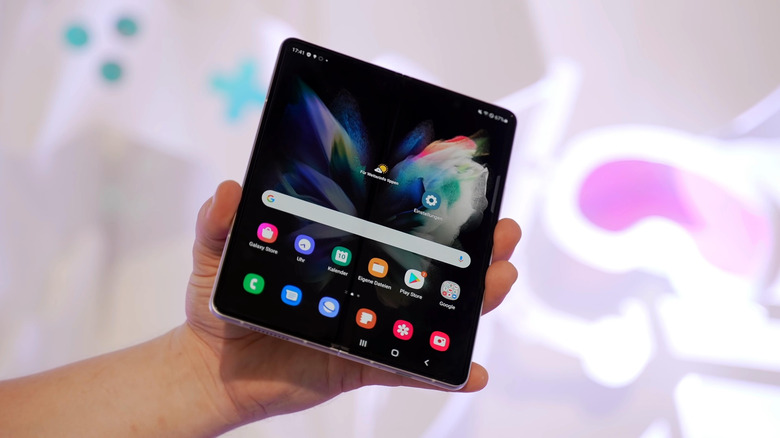
There are certain features in smartphones that are easy to take for granted. Oftentimes, these can feel like the smallest of features. But the simplest functionality can completely change how you use your phone. MagSafe is one such feature. Since its arrival on the iPhone 12 in 2020, MagSafe has become a mainstay feature for Apple's smartphone devices. However, it wasn't until the release of Qi2 in 2023 that Android phones really got a chance to start taking full advantage of magnetic-alignment charging, as that was when the Wireless Power Consortium officially approved Qi2 and marked it ready for widespread consumer adoption.
Despite Qi2 now being fully approved and accepted, many Android brands still don't support all the functionality it offers. Instead, these devices are what manufacturers call "Qi2-ready," which essentially means they support the Qi2 standard, but they don't actually have magnets within the device itself. I knew this was going to be one of the quality-of-life hurdles I needed to overcome when I made the move from my iPhone 15 Pro Max to the Samsung Galaxy S25 Ultra. However, I expected Samsung to be one of the first Android manufacturers to fully embrace Qi2, especially since it has become the largest smartphone brand on the market. However, here we are in 2026, with Samsung's latest flagship foldables now officially revealed, and I can't help but notice there is one key feature missing from the Galaxy Z Fold 8 lineup: proper magnetic Qi2 support.
Why magnetic Qi2 support matters
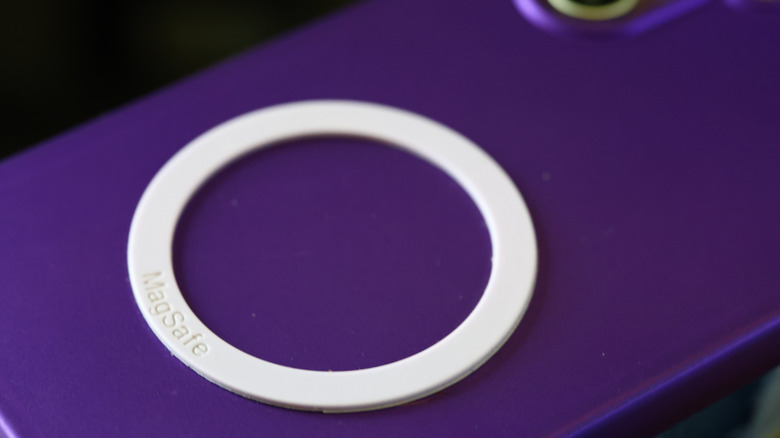
Now, I know what you might be thinking. MagSafe is cool, but is it really a feature that you should care about as much as I do? Ultimately, that's going to be a matter of opinion. However, my opinion on the matter is that yes, you should care about it, especially when a phone is going to cost you as much as a Galaxy Z Fold 8 Ultra will. Don't get me wrong, I know there are plenty of reasons to buy a foldable beyond magnetic Qi2 functionality. But, if I'm going to spend that much on a new device, I expect it to have all the bells and whistles that matter, and full Qi2 support is one of those bells and whistles.
I cannot count how many times I have woken up after putting my phone on the charger at night only to find that it hadn't charged properly, or had perhaps been knocked just off kilter enough that the charging cut off. This is a constant point of annoyance without magnetic-based charging, especially for someone like me who has cats. And while I do have a magnetic case for my S25 Ultra, it still isn't as useful as having the magnets in the phone itself, as it locks me specifically to that case, instead of allowing me to use my phone without a case or with a different case entirely. It's a compromise that I shouldn't have to make with a $2,000 phone.
A little extra thickness wouldn't hurt
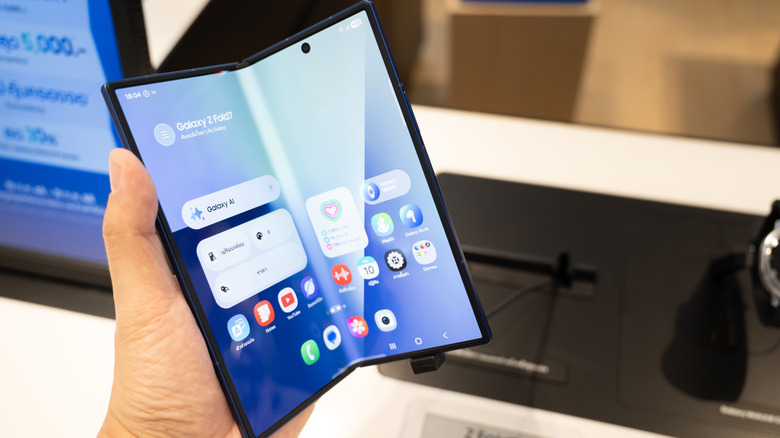
Of course, I realize that I'm just one person out of billions. But, even if you put my opinion aside, there's no reason that Samsung shouldn't be able to fit magnets into its smartphones — yes, even its foldables. Sure, they might be thin, but they aren't so thin that the idea of putting a set of magnetic Qi2 charging components within them should be impossible. The Pixel 10 Pro Fold did it. While the Z Fold 8 Ultra is thinner than the 10 Pro Fold, there's no reason Samsung couldn't have added a little thickness to bring magnets to its device.
Samsung seems intent on creating the thinnest devices possible in its quest to perfect its foldables, but a little extra thickness isn't going to stop people from buying the phones — especially when they're already within a millimeter of the Galaxy S series when closed, and much, much thinner when opened. I do have to give Samsung credit, though. The fact that the company has embraced silicon-carbon batteries is a step in the right direction. There's a lot of potential there for better, more reliable, and higher capacity batteries, and I'm genuinely sad that more manufacturers aren't embracing the technology. However, if I had to choose between silicon-carbon and proper Qi2 support, the answer is clear for me. I'm going to need to charge my phone anyway, so I might as well have the easiest experience with it possible.