

The Reason I Regretted Buying iPhone Pro Models — Until This One
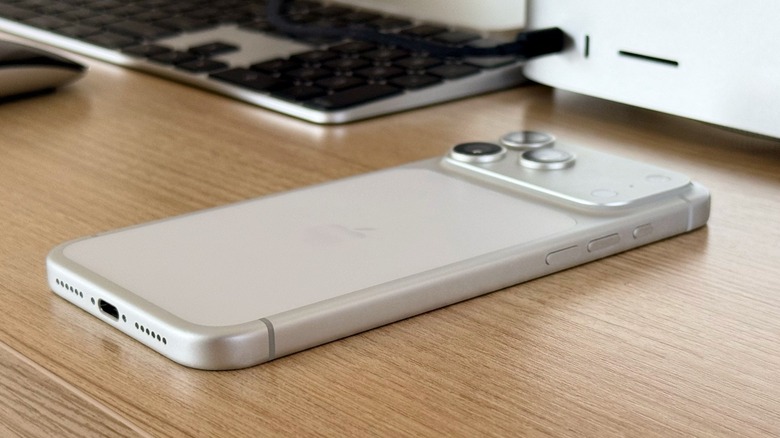
Apple's best iPhone is the latest iPhone Pro model. This is a claim most of you would accept, right? Well, for the past few years, I've been telling friends — and everybody else who asks — that, no, Apple's best iPhone model is usually the base model: It's cheaper, has longer battery life, doesn't overheat, and gets the job done. Still, before the iPhone 17 Pro Max, I regretted buying every Pro iPhone of the past three years, ranging all the way from the iPhone 14 Pro Max to the iPhone 16 Pro Max.
First, I need to explain what changed from the flawless iPhone 13 Pro to the iPhone 14 Pro. Apple switched up the manufacturing process, as the A15 Bionic was made with a 5-nanometer process, and the A16 Bionic was made with a 4-nanometer process, which should have improved power efficiency and overall performance. However, as shown by BGR reporting on the iPhone 14 Pro, overheating issues were present. With the iPhone 15 Pro, Apple used a new 3-nanometer process but switched to a titanium frame instead of stainless steel. Guess what? More overheating problems.
One would think that the iPhone 16 Pro would have fixed that — but no. Apple users continued to report overheating issues, even with a new generation of 3-nanometer processors. There was something more that was preventing those iPhones from working properly: The chips were too powerful, and Apple wasn't improving its thermal design.
The iPhone 17 Pro changed everything
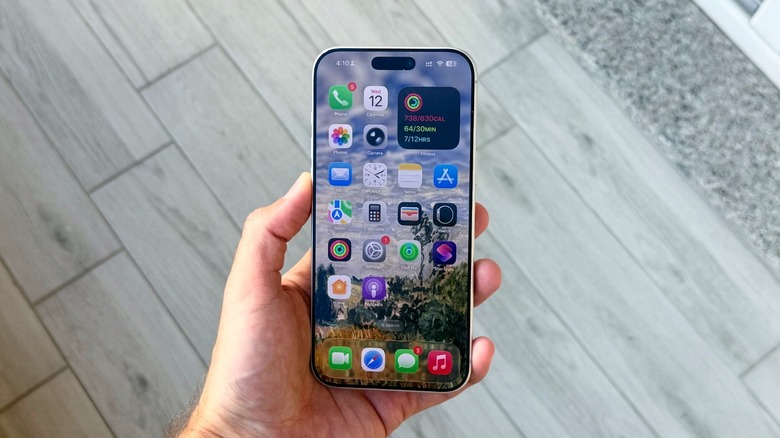
When Apple released the iPhone 17 Pro in late 2025, it arrived alongside a more power-efficient processor — but the most important addition was the new vapor chamber, which cools down the chip and prevents the phone from overheating and throttling performance. As well as switching the titanium finish to aluminum, which helped dissipate heat better, Apple was able to fix most of the issues discussed above just by adding a proper cooling system. After all, if my iPhone doesn't overheat while performing a simple task, then the battery won't drain as fast, tasks won't lag, and I'll still be able to look at the display in bright sunlight, as the screen won't immediately dim.
However, the powerful processor wasn't the only issue. With these iPhones, and slightly earlier with the iPhone 13 Pro, Apple had tried several algorithm changes impacting how the iPhone takes photos, including its Photonic Engine and Smart HDR features. Unfortunately, users kept experiencing incorrect colors, like overly saturated blue skies. This is why apps like Halide thrived: simply because users wanted a way to capture raw photos without all the changes Apple would make after the photo was processed.
I'd say that the company fixed that when it offered the second generation of the Photographic Styles feature with the iPhone 16. The iPhone 17 Pro then combined this with new features such as more battery life, a better processor, excellent new cameras, and a proper cooling system.
What makes the base iPhones so different?
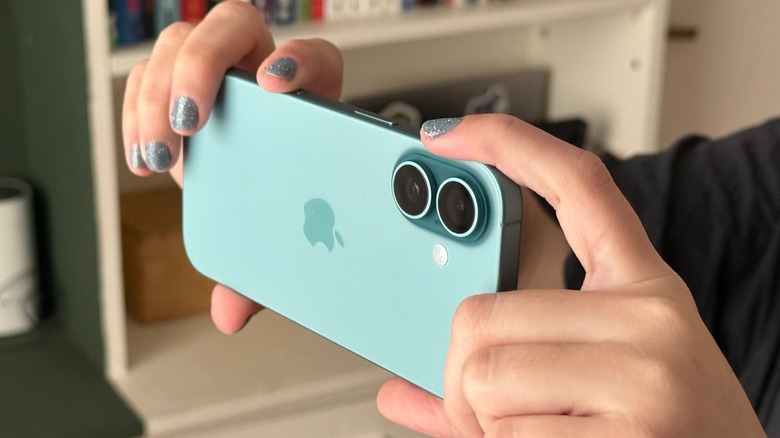
Even though I kept telling myself that I needed a Pro phone for the display technologies, extra camera, and powerful processor, I think most customers will be fine with a base iPhone model. Pro models can provide longer sustained performance thanks to their higher core counts, which draws massive amounts of power and generates intense heat. The regular iPhone models have slightly binned or less power-hungry variants of those chips configured for efficiency, as they scale down workloads before they build up massive amounts of internal heat.
However, when testing the iPhone 16 after buying the iPhone 16 Pro Max, I felt that the iPhone 16 handled everyday tasks a lot better than the Pro Max, which would immediately overheat and dim the display as a result. Another big win for the regular iPhones is that they always had an aluminum finish, which has a much higher thermal conductivity rate than stainless steel or titanium. Despite the lack of a telephoto lens, these more affordable phones had better battery life, were cheaper, and would offer competitive performance without overheating.
That being said, the iPhone 17 Pro Max finally became the phone I didn't regret buying after years of "giving Apple one more chance" to fix its more expensive iPhones. It finally did — and the upcoming iPhone 18 Pro will likely follow this trend.