

Google's New Pixel 'Dynamic' Pricing Sounds A Lot Like 'Surge' Pricing
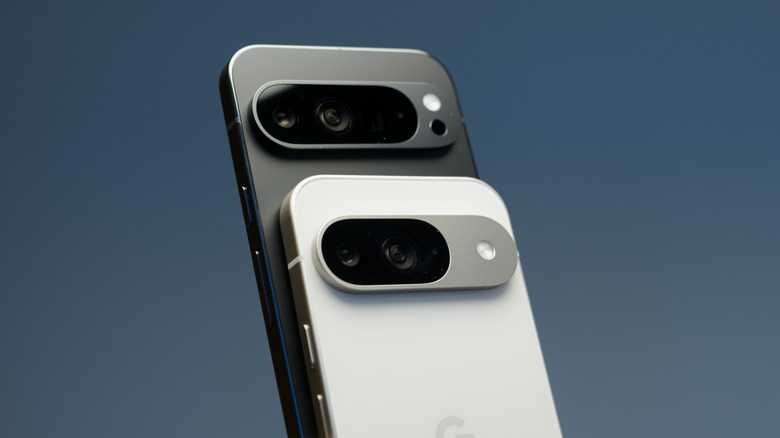
Earlier this month, we saw reports from a now-deleted Amazon listings page that gave Pixel fans an idea of what to expect from the Pixel 11 as far as pricing goes. While I did expect to see some price hikes with the ongoing RAM shortages, it seems like most of the devices will increase in price across the lineup, from the regular Pixel 11 to the Pixel 11 Pro Fold. However, it seems Google might not have finalized the new prices for the Pixel 11 series just yet, as a new report from 9to5Google suggests that the company could be looking to rely on a more dynamic pricing structure — which could give you even more reason to ditch your Pixel and go for a competitor's device instead.
The exact details surrounding this are unclear at the moment, and likely will be until the device is officially released. All we really have to go on is a comment from the company's Vice President of Devices and Services, Shakil Barkat. Barkat told 9to5Google that the situation involving the ongoing RAM memory crisis could affect what's coming next month for Google, which is when the Pixel 11 is expected to be revealed. However, based on the wording used in the interview, it sounds like Google plans to rely on surge pricing for how it will price future smartphones. That does not bode well for consumers, especially if the price of the components used in these devices continues to rise.
The difference between dynamic pricing and surge pricing

Surge pricing is the practice of changing the price of a particular type of good or service depending on how much the demand and supply have changed. While the terms for surge pricing and dynamic pricing are often interchanged, and they are very similar, they actually have two distinctly different approaches to how the prices are affected in the long run.
Surge pricing is usually when the goods or services have a set standard price. This acts as a baseline or floor for the price. In this particular instance, the baseline would be the basic price of the Pixel 11 that we've seen in recent listings. The surge, however, comes into effect when demand for the device becomes high, say around holidays or launches. At that point, the price for the device might increase dramatically to make buying it more expensive around those times. Once the demand lowers, however, the price would fall again, eventually returning to the baseline, making it more affordable but never really letting it drop below that price. You have likely already seen surge pricing used in some grocery stores in the form of surveillance pricing, which allows retailers to change prices based on the time of day, and more.
On the other hand, dynamic pricing would allow for the goods or services being offered to drop or rise based specifically on the demand and supply. So, if there was a lot of supply and very little demand, the device might drop in price exponentially. It seems unlikely that Google would lean heavily on true dynamic pricing for its devices, especially since it is unlikely that the prices of RAM and other components are going to go down anytime soon.
Surge pricing could make smartphones overly expensive
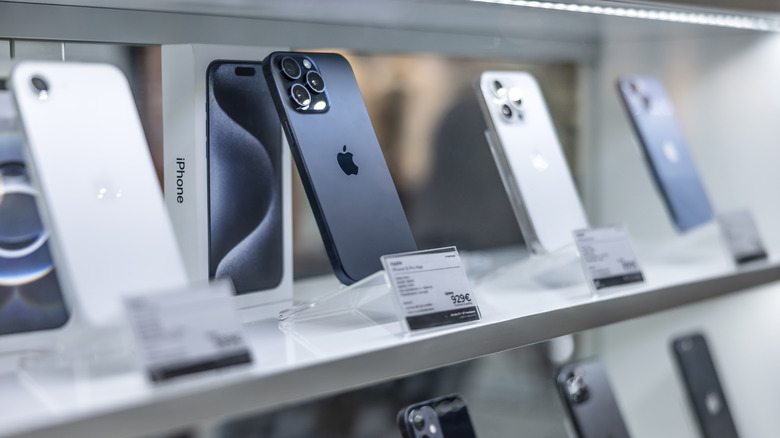
Here's the problem with both surge pricing and dynamic pricing as a whole. While it sounds like it could be good because it could give the potential for demand to fall low enough for the price to fall as well, there has to be a floor, especially with technology. Because the hardware is already so expensive, it's most likely never going to drop below a certain point. On the other hand, though, there is no limit to how high Google could surge its prices. Considering how Google is as a company, there's likely not going to be any kind of accountability for how the company determines what affects the supply and demand for the Pixel. Google could simply say one day that the demand for the Google Pixel 11 is higher than ever and then boom, the price increases exponentially. Considering we're already seeing smartphones that cost from $1,000 to $2,500 depending on what device you buy, surge pricing just seems like a way to make smartphones even more expensive.
This also doesn't even take into account the issue that the technology world already faces with scalpers. If you've tried to get a gaming console in the past couple of generations, then you're probably already well aware of how limited supply can lead to many people trying to game the system. Companies still haven't solved the scalper issue, and yet they want to create even more room for those very same bad actors to benefit in some way? That doesn't sound like good move for you and me at all.