

Pixel 11 Price Hikes Will Make Google's Competition Even More Appealing
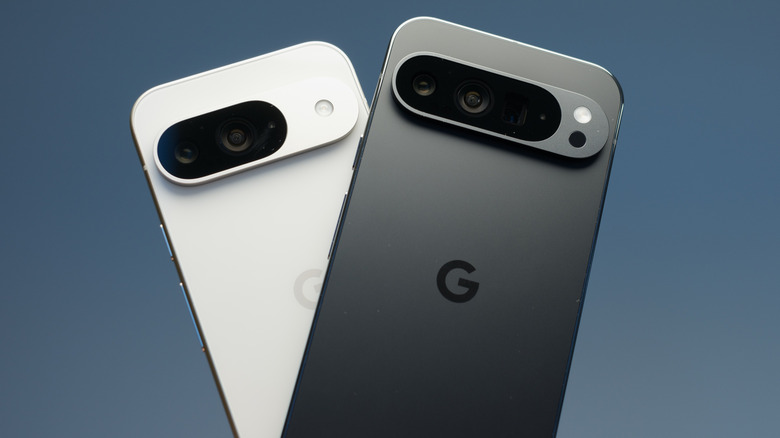
When Google released the Pixel 6, it was the first smartphone to feature Tensor, Google's in-house developed chipset. While it came with a few trade-offs, like a lower quality display and Tensor's lower performance compared to leading chipsets at the time, the price of the phone more than made up for its shortcomings. This trend continued with the Pixel 7 and Pixel 8.
However, as time has gone on, and new Pixel devices have come out, justifying the price of the Pixel has become harder, especially when you consider that the performance of the Tensor chips — even those in newer phones like the Pixel 10 — continues to fall behind the leading chipsets being used in Google's biggest competitors. And with the growing details surrounding another price hike with the release of the Pixel 11, deciding not to go with a Pixel over a device like a Samsung Galaxy is probably about to become a bit easier.
The price hikes here aren't even the biggest problem. In fact, price hikes are all but expected, especially as we continue to deal with the ongoing problem of RAM shortages affecting key technology industries. The problem, is that Google hasn't been doing anything to make the Tensor feel better as a chip. Sure, we've been given more AI features with every new Pixel release — and even some throughout the year between phone releases — but Tensor as a whole hasn't improved enough to fully matter to many people, at least as far as battery and performance go, despite there being almost five generations of Tensor since the Pixel 6's release.
Tensor G6 leaks show promise, but the chip will still likely fall behind
The next big issue surrounding the price hikes that we're seeing with the Pixel 11 series is how far it actually advances the platform. While there's some good to be had here — like the increased base storage of 256GB that's being reported — there's also some bad. Because while the extra money will technically get you more storage, it won't make the Pixel 11 stand up to other flagship devices in the same price range.
So far, the reports that we're seeing surrounding the new Tensor G6 that the Pixel 11 will utilize haven't given me much reason to think they'll stand up to whatever Snapdragon has put out at the time. Especially since those same reports lean toward the G6 featuring a potentially outdated GPU, though the model number makes it appear like it's potentially been updated somehow.
Of course, these reports are all based on leaks, which means the truth could be different, though I don't think anybody is expecting Google to suddenly put out a Snapdragon killer with the Pixel 11. So far the company has seemed content to lean hard on its AI features as a way to set its devices apart from the competition. And while many of those features often expand beyond the Pixel to other Android operating systems at some point of another, it seems unlikely Google would switch up its direction without major backlash from users. And while many are growing tired of Tensor's lackluster performance and battery life, not everyone is unhappy with it.
The crux of the Pixel problem

That brings us to the big problem. There was a time that the Pixel series and its middling performance and lackluster hardware were considered pros. The devices were cheaper options for those who wanted close to a flagship experience without the full flagship price. However, with the Pixel series' increasing price over the years, the devices have become far less appealing.
Sure, it's still one of the best ways to get as close to a clean Android experience as you can — stock Android is a thing of the past now — but it still leaves so much to be desired when you start to look at the competition. I have my complaints about Samsung's handling of the Galaxy series and OneUI as a whole, but there's a reason Samsung has become the biggest smartphone brand on the market while Google hasn't.
Unfortunately, the Pixel series doesn't really deliver exceptionally well when stacked up to Samsung, especially considering all the problems Pixel users have been facing with the latest Android 17 release. As such, I'm not holding my breath on the Pixel 11 being the one that breaks the mold, especially as none of the leaks have pointed that direction. If Google is going to treat the Pixel series like a flagship, then it needs to deliver what users expect from a flagship device, and it isn't doing that with Tensor just yet and people are ditching the Pixel because of it. Throw these price hikes into the mix, and all Google has done is make its competitors even more appealing.