

The Global RAM Crisis Is Having A Big Effect On The Used Phone Market, Data Shows
If you haven't become acquainted with the computing and consumer electronics shortages by now, you really should. It's being fueled by supply chain constraints, particularly because of AI technologies and cloud computing, the former of which requires massive amounts of computing power to sustain operations. It's effecting memory, GPUs, and storage, primarily SSDs. We've heard several times that the shortage implications may stretch wider than expected, with many gadgets set to jump in price because of the RAM shortage, if they haven't already. This is also why the Steam Machine is more expensive than most proponents wanted it to be, with Valve confirming our worst fears ahead of its pricing announcement. But it turns out that the global crisis is also having a huge effect on the secondhand phone market, not just new and upcoming devices.
Everything is rippling outward like a stone or pebble thrown into a pond, with that stone being the hardware shortages. Because of skyrocketing memory prices, the bill of materials (BoM) for smartphones has also risen considerably. This has two outcomes, more expensive phones and "shrinkflation," phones that have reduced specifications or less powerful hardware despite having similar or higher prices than previous generations.
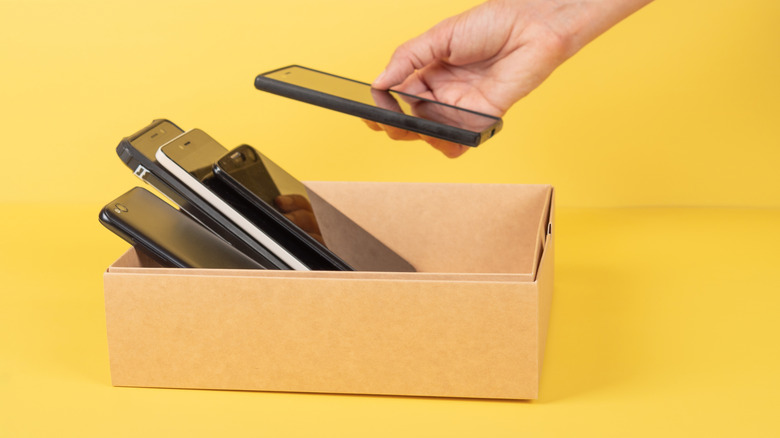
Understandably, people are choosing not to upgrade, holding onto their old phones longer, or instead opting for used models. A Counterpoint research report shows this happening by the numbers. Refurbished smartphone sales grew by 4% in early 2026, with the new, primary smartphone market likely seeing a decline by as much as 14.8% through the end of the year. The shortages and prices are pushing people to buy secondhand and refurbished.
AI-powered devices are still rising in market presence

While new smartphone sales are declining overall, a trend that continued for several weeks throughout 2026, so much that global shipments are at their lowest point since 2013, something strange is happening on the other side of that equation. GenAI-capable smartphones are forecasted to grow in market share, via global shipments, in the back half of 2026 and leading into 2027. Eventually, AI-ready devices will account for up to 45% of global phone shipments for the year. In other words, even with everything going on, shortages included, AI phones seem to be an obvious focal point for the future.
Counterpoint believes that AI will be the hook encouraging people to upgrade. It expects one in three smartphones sold in 2027 to have agentic AI capabilities. It's also worth noting that AI features are creeping into older devices that people already have. Samsung's recent One UI 8.5 update for Galaxy devices introduced a ton of AI-driven tools and even added some Galaxy S26 features to older phones. Google also wants Gemini intelligence to take over your Android phone.
If you're not a fan of AI features, you won't be happy to hear that eight in ten premium phones will be infested within the next two years. If you lean towards a more positive outlook, that's eight in ten phones with more powerful capabilities. Either way, Counterpoint research also surmises that the AI technologies and functions will carry over to other smart devices as well. AI-enabled wearables are also forecasted to grow in market share, though the outlook is stretched further — we may see an average growth of 21% annually between now and 2032.