

3 Tech Brands You Might Not Realize Are Owned By TCL
We may receive a commission on purchases made from links.
TCL Technology, often referred to simply as TCL, is a Chinese holding company, primarily operating in the electronics space. Although it's most commonly known for TCL TVs and smartphones, the company sells a wide range of consumer electronics, including home appliances, computing devices, and audio gear. It also offers solar equipment, commercial displays, and commercial air conditioners. While the conglomerate's eponymous brand typically remains front and center in many of the company's offerings, the TCL Technology Group owns and operates several other brands you might have seen on various products without realizing they are part of its stable.
Some of these brands have been acquired by TCL, whereas others have been developed in-house to focus on specific product categories or target a different price segment or regions. TCL has also licensed a couple of widely recognized brands in the past to sell devices under those brands, such as BlackBerry and RCA; however, those licensing agreements have since ended. One such licensing arrangement that is still operational is Alcatel. The Alcatel trademark and brand are owned by Nokia, but TCL licenses it and sells smartphones under this branding in select markets around the world.
Palm
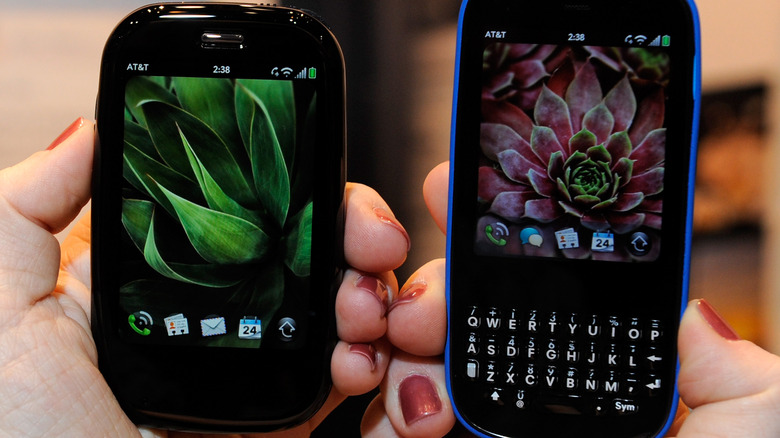
Palm is probably the most storied brand in TCL's portfolio. Before Android devices and iPhones began ruling the smartphone space, Palm was known for selling personal digital assistants, or PDAs, which were essentially handheld computers with stylus support. The brand also offered some of the earliest smartphones, like the Palm Treo lineup. With the arrival of Android and iOS, the company faced intense pressure and launched webOS, used in smartphones like the Palm Pre. Ultimately, Palm was unsuccessful in its bid to take on Android and iPhone, resulting in Palm's sale to HP in 2010.
HP also launched a few devices using webOS, including the HP Touchpad, but it also did not see much success and offloaded webOS to LG in 2011 and kept the Palm brand. LG still uses webOS in its smart TVs today, but the Palm brand and trademark finally found their way to TCL in 2014 via a shell corporation called Wide Progress Global Limited.
Although TCL itself hasn't done anything with the Palm brand, the company licensed it to a startup called Palm Ventures Group. This startup brought the Palm brand back to life in 2018 with the Palm Phone, which is often counted among the worst smartphones ever made. The startup also launched Palm Buds Pro, a pair of wireless earbuds, in 2021, but there have been no new hardware products bearing the Palm branding since. As of 2026, the Palm brand remains dormant and is still owned by TCL.
iFFALCON
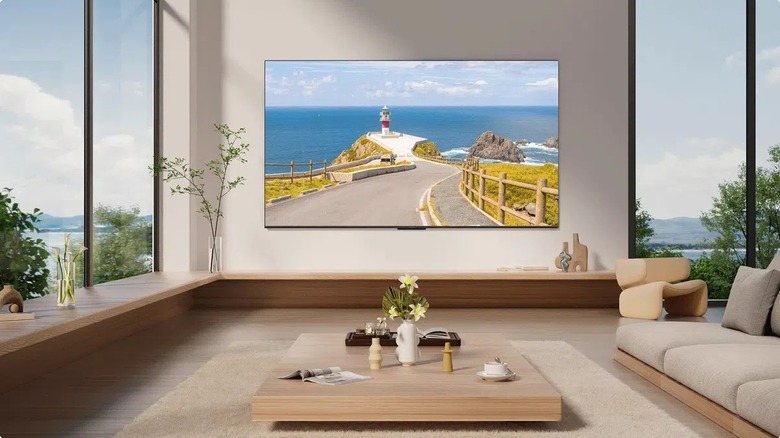
iFFALCON is a consumer electronics brand that's owned by TCL. It was introduced in 2017 as a direct-to-consumer, budget-focused smart TV brand. Its products sell almost exclusively through online stores, but the brand has expanded over the years into other home appliance categories, like air conditioners and washing machines. Although India was the first market to get iFFALCON TVs in 2018, the brand has since expanded to Australia, Europe, Southeast Asia, Latin America, and Turkey, among other markets. It was also launched in the U.S. in 2025, with the iFFALCON Mural TV lineup, and its official store on Amazon currently sells two distinct models in different sizes.
iFFALCON TVs have many of the same features found in the TCL TVs, but they are sometimes sold at a reasonable discount to the parent brand's TVs. For example, the iFFALCON 55U85 has much of the same features as the TCL 55QM6K, but you can often buy the iFFALCON model on sale for around $80 less. Although iFFALCON doesn't sell anything other than smart TVs in the U.S., the brand could eventually be one way for TCL to offer other home appliances in the market without diluting or harming its primary brand.
RayNeo
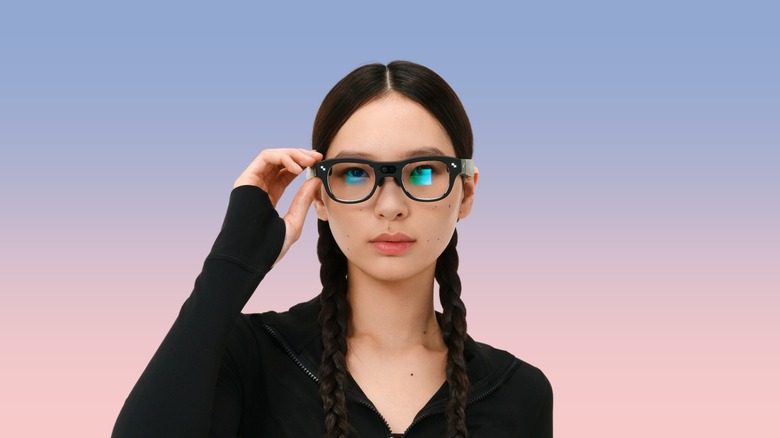
RayNeo, a brand dealing in augmented reality (AR) glasses, is also a part of TCL's portfolio. According to CounterPoint Research, the brand was the third-largest manufacturer of AR or VR (virtual reality) glasses worldwide in the first quarter of 2026. With a six percent market share, RayNeo trails only Meta and Sony. Founded in 2021 and incubated directly by TCL, RayNeo was nevertheless given the freedom to act as a startup, essentially allowing it to move fast in this quickly changing landscape.
The brand has found fame thanks to its compact offerings, with its RayNeo Air lineup in particular being pretty popular among gamers and travelers. The glasses allow user to slap a giant virtual screen on their face and enjoy content directly from their phone, portable gaming console, and the brand's own Pocket TV streaming device. Apart from AR glasses that need to be tethered to another device, RayNeo also offers standalone AR glasses as part of its X-series, which have built-in AI and are powered by Qualcomm Snapdragon XR platforms.