

How Does Amazon Prime Deliver So Fast?
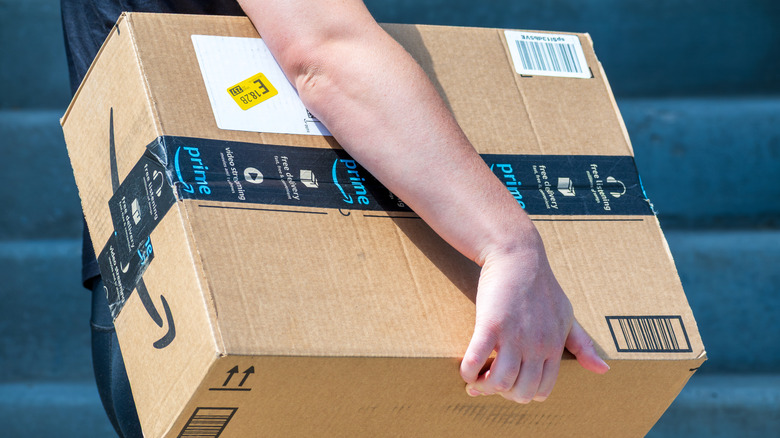
Amazon Prime delivers so fast because it has built one of the most aggressive logistics systems in retail. When you place an order, whether for one of the best laptops on the market or a hot new gadget, Amazon doesn't simply pull it from a giant warehouse and ship it off hoping for the best. Instead, the company uses a sprawling network of fulfillment centers, sorting centers, air hubs, and delivery stations to move products through a tightly controlled pipeline that minimizes delays at every step.
Proximity is key. Amazon increasingly stores inventory closer to customers, so many popular items are already sitting in facilities strategically placed near major metro areas. That reduces the distance an order has to travel before it reaches the "last mile," which is often the slowest and most expensive part of shipping. Amazon also leans heavily on software to predict demand, deciding in advance where products should be stocked based on sales patterns and regional purchasing behavior, so things like its best-selling items are more likely to be immediately available.
Once an order is placed, the process moves quickly. Workers and robots pick items, pack them, and send them through a network designed to sort packages by destination with as little handling as possible. Amazon's scale gives it another advantage, too: the company can move enormous volumes of packages through its system every day, which helps drive down shipping costs and makes fast delivery economically viable.
The power of a massive network
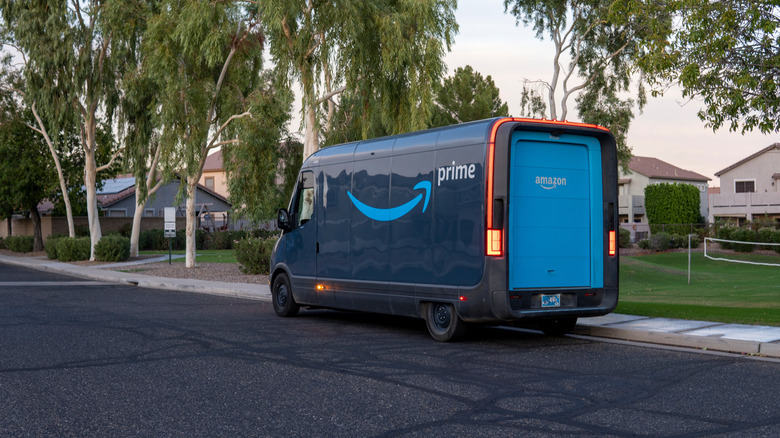
Speed doesn't stop at the warehouse. Amazon also uses its own transportation network, including trucks, airplanes, delivery stations, and a growing last-mile fleet, to keep packages moving without depending entirely on third-party carriers. In practice, that means an order can go from a fulfillment center to a sortation facility, then to a local delivery station, and finally onto a van or partner vehicle for doorstep delivery.
Automation now plays a growing role as well. Amazon says collaborative robots and AI-driven systems help sort and route packages more efficiently, with machine learning being deployed to improve delivery planning and route optimization. That matters because shaving even a few seconds off each step adds up across billions of items shipped every year.
Prime's biggest advantage is not one single trick, but the combination of many: dense warehouse placement, predictive inventory, a massive transportation network, and technology that keeps every package moving with minimal downtime. In other words, Amazon Prime is fast because the company has spent years designing a system where speed is built into the business model itself.