

The Reason Why Data Center GPUs Have Such Short Lifespans
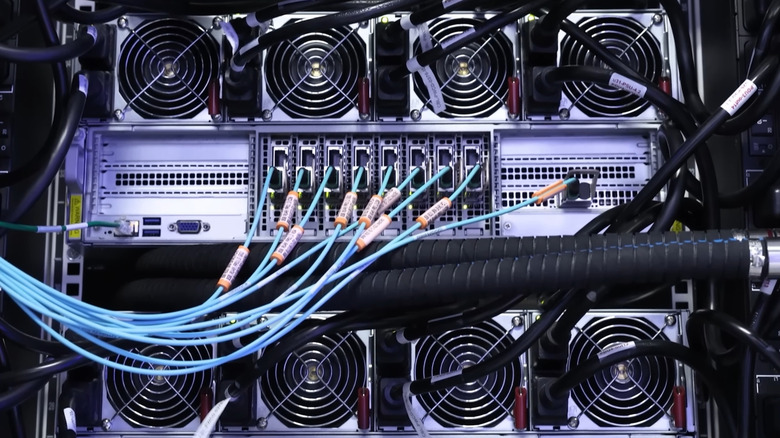
Data centers are the source of many problems today. For example, AI data centers are causing shortages and price hikes for coveted PC components, such as the GPUs that gamers and professional graphics designers use to render high-end visuals in their software. It gets worse, though: Not only are data centers hoarding these GPUs, but they're also burning through their lifespans at a ridiculous rate.
According to a quote provided by an anonymous AI architect at Google (via Tech Fund on X), data center GPUs can have a lifespan of just one to three years. This figure applies to GPUs that are under high utilization; they're in a constant state of use, exposed to excessive heat, and rarely undergo maintenance. However, even GPUs with a lower utilization rate will only last for a maximum of five years in a data center.
By comparison, the life expectancy of a gaming GPU is up to eight years with regular care and maintenance. Of course, the average gamer isn't running high-end applications 24/7 the way an AI data center is, but the point remains: Tech companies are wearing out GPUs several times faster than even the most dedicated human users. Notably, the latest "gigawatt data centers" are equipped with hundreds of thousands of GPUs. If those GPUs have a typical lifespan of three years or less, that means a single data center may go through at least 300,000 GPUs in the time it takes for your at-home gaming PC to go through just one.
Data centers might overcome short GPU lifespans
When you consider what a data center actually does — which is store and circulate data — then it becomes obvious that operations will only continue to ramp up in this increasingly data-driven reality we live in. With that in mind, it's simply not practical for companies to continue replacing countless GPUs every three years, even if they can afford it. Some sustainability is needed.
That's where Google's latest Tensor Processing Units (TPUs) come in. These are accelerator components specifically designed to power AI workloads on a large scale. Being optimized for the task at hand means that they can do it for longer; according to Google's Chief Technologist for AI Infrastructure, Amin Vahdat (via Data Centre Dynamics), Google's seven and eight-year-old TPUs are still being used at 100% utilization.
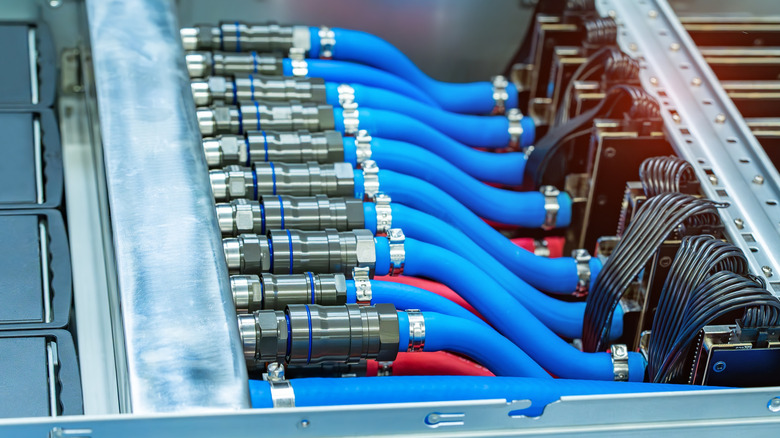
There are also emerging innovations regarding the upkeep of data center components. Nvidia's liquid-cooled data centers run at an unexpected temperature that helps processors operate at full performance without degradation. Data center development isn't going to slow down anytime soon, but if companies can at least run them more efficiently and overcome the GPU lifespan problem, then there might be hope for a stabilization of consumer-facing prices.