

Why Did Logitech Buy Astro Headsets?
We may receive a commission on purchases made from links.
By the mid-2010s, gaming had become an important battleground in the lucrative field of consumer technology. Companies across the industry were competing to win over players with products designed around a growing and increasingly competitive gaming culture. Logitech, founded in Switzerland in 1981, had already established itself as a major player in PC gaming peripherals with its Logitech G brand, but it was keen to expand further by gaining a stronger foothold in the console market. It was this ambition that led the company to take an interest in California-based Astro Gaming, a leading brand in gaming headsets. In 2017, Logitech made a move, acquiring Astro in a deal worth $85 million.
Founded in 2006, Astro had spent more than a decade building a name for itself in the world of gaming when Logitech came knocking. The smaller company was already well known for its premium headsets, particularly the A40 and A50, which had become popular among everyone from gaming enthusiasts to esports competitors. For Logitech's leadership, the appeal was not simply in acquiring another hardware line, but in gaining a brand with an established identity and a loyal audience. When Logitech announced its acquisition, it described Astro as "a perfect complement to Logitech G's focus on PC gaming." At that point, with Astro now under its wing, the question was whether Logitech would be able to strengthen its position in console gaming without diluting the brand that had made Astro so valuable in the first place.
How did the acquisition work out?

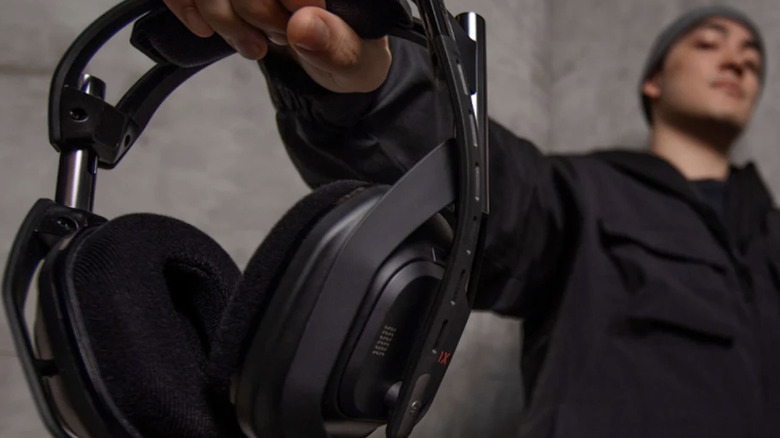
Many years after Logitech's acquisition of Astro Gaming, the brand continues to exist, but its products now appear as part of Logitech's own website. With Logitech keen to make the most of Astro's popular profile, the flagship A50 headset line also continues to this day, alongside newer products like the A50 X Lightspeed.
Astro headsets continue to go up against high-end alternatives from the likes of Razer, Turtle Beach, and SteelSeries, and still receive praise for their build quality and comfort. Even so, the brand's premium positioning means that its flagship products still have to justify their price in the face of strong offerings from rivals. The flagship A50 X Lightspeed, for example, costs a hefty $360, placing it alongside top-tier gaming headphones such as SteelSeries' Arctis Nova Pro Wireless and Turtle Beach's Stealth Pro. At that price, some gamers looking for a new headset may wonder whether Astro's brand legacy alone is enough to justify choosing the A50 X Lightspeed over those competing high-end headsets.
Measuring the success of Logitech's acquisition depends on how it's judged. From Logitech's perspective, the deal appears to have achieved its strategic goals, giving the company a stronger foothold in console gaming while preserving Astro as a respected premium headset brand. However, while Astro has remained part of Logitech's large portfolio of tech brands, the company's identity has evolved since the acquisition. In the mid-2010s, Astro was positioned as a specialist console gaming headset brand with strong links to esports, while today it operates within Logitech's broader gaming ecosystem. Ultimately, the acquisition looks like a success for Logitech, but it does illustrate the challenge of integrating an established gaming brand without losing some of the qualities that made it special.