

Climate Change Might Have An Unexpected Effect On Your Morning Coffee

The world is crazy for coffee. People love their cuppa joe so much that coffee stands as the second-most valuable legally traded commodity on the planet behind oil. According to PBS, the world drinks an estimated 2.25 billion cups of coffee on a daily basis, and for many, starting the day without one is unfathomable. Unfortunately javaphiles may need to start seeking other sources for their caffeine kick before long, as the sweeping impacts of anthropogenic climate change spell major trouble for coffee. Few agricultural products will suffer as heavy an impact from global warming, mainly due to a massive loss in suitable growing areas within just the next decade or two.
Although there are over 100 different species of coffee plants, nearly 100% of the coffee consumed around the world comes from just two: Coffea arabica and Coffea canephora, also known as robusta. They require a tropical climate to grow and thrive, and thus all of the world's leading coffee-producing countries are located in or near the tropics. This includes Brazil, which is the world's leading coffee producer, with a crop more than three times that of second-place Indonesia. Other leading producers include Colombia, Cote d'Ivoire, and Ethiopia. One thing all of these countries have in common is that climate change is taking an extreme toll, particularly in rising temperatures and extreme weather events like droughts and floods. That's only the beginning though.
How climate change is taking a toll on coffee production
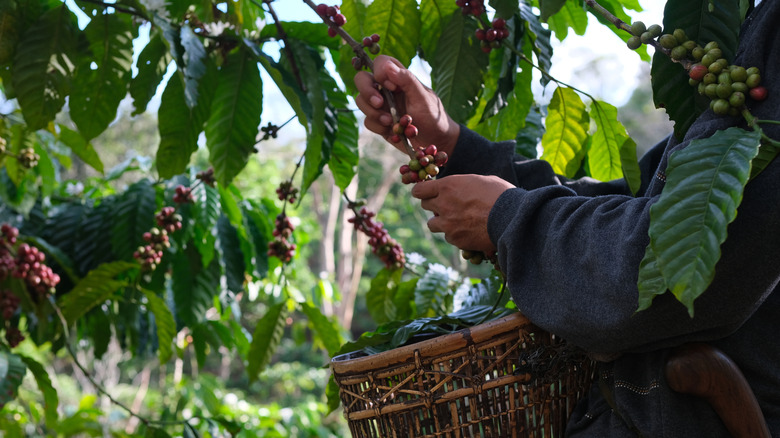
The year 2025 was one of the three hottest years ever recorded, along with the previous two years, indicating a clear upward trend. It appears all but certain now that global temperatures will climb to three degree Celsius above their pre-industrial levels by the year 2050. A study published in PLOS One in 2022 used computer models to predict how coffee and other crops would react to this change, and found dramatic consequences. Even if warming were capped at 1.6 degrees Celsius, it could still cause a 50% reduction in suitable land for growing coffee by the year 2050. Temperatures will simply rise too high for coffee plants to survive in a healthy state.
Changes in temperature and rainfall also affect the pH of soil, which can turn a profitable coffee-growing region into a fruitless waste of land, just as the pH change induced by acid rain is harmful. The same study found that a drop in soil pH was driving loss of coffee-growing land in South America, Central Africa, and Southeast Asia, the three primary regions where coffee is cultivated. Rising temperatures also give rise to pests and disease, which tend to spread more easily under hotter conditions. Global warming results in an increase in pestilences like coffee leaf rust, a notorious fungal infection that causes more crop loss than any other disease affecting coffee plants.
What is the future of coffee?
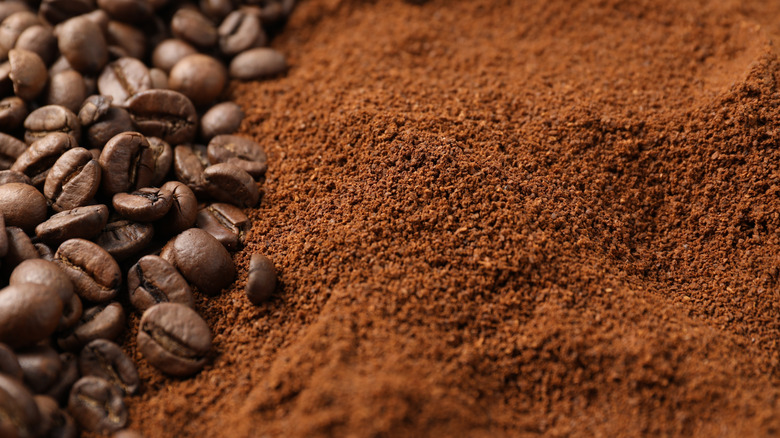
The thought of giving up coffee might be unfathomable, but don't panic just yet. Coffee probably won't disappear from our daily routines, but it will have to change. Remember earlier, when we mentioned that there are over a hundred types of coffee, but only two are widely consumed? Well, while hope may be fading for Coffea arabica and Coffea canephora, some of those other coffee species might remain viable, if we can make the switch.
One such coffee species is Coffea stenophylla. This species is native to the forests of Sierra Leone, and was once cultivated widely before British colonizers abandoned it in favor of the higher yields of robusta. Stenophylla became such a rarity that at one point it wasn't seen in the wild for over half a century. It was relocated in 2018, and reportedly tastes like a very high quality arabica coffee. However, it is far more heat resistant than either arabica or robusta, and is therefore better equipped to weather the weather of the future. Other such species include Coffea zangueberiae from East Africa and Coffea excelsa from Central Africa, both of which tolerate heat better and require less water than the coffee we're all accustomed to.
Diversifying our coffee consumption to a wider array of species will be essential if we want to keep on enjoying it. How else will we feel its purported effects on longevity?