

5 Features iPhone Owners Originally Hated That Aged Into Fan Favorites
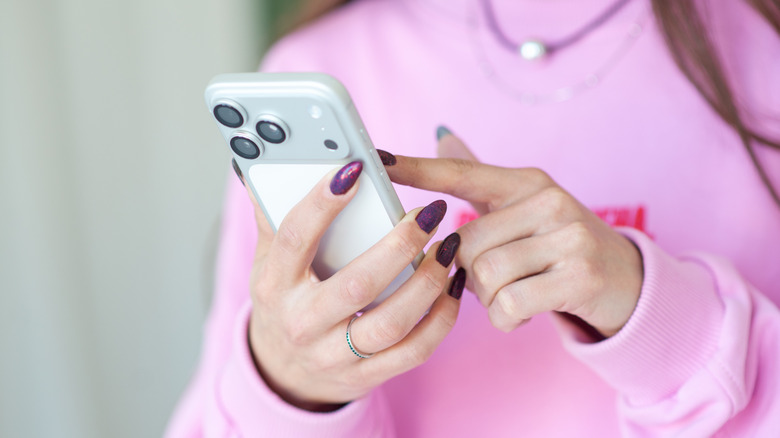
The iPhone has been around for almost 20 years now. In this period, it underwent several iterations, design changes, and bold ideas that were sometimes initially hated by iPhone owners and proved to be the right call years later. There are also examples of good features that suffered from terrible execution and were finally done right like Siri. The assistant was considered so innovative when it was released, then it got a lot of backlash as it lagged behind the competition for years, and now Apple is finally redeeming itself with the upcoming Siri AI on iOS 27. Features such as bigger screens, swipe gestures, and the notch on the iPhone X were all originally hated.
All of these features eventually became popular, and gradually, users ran to upgrade their devices for these very perks. Steve Jobs believed that customers don't know what they want until they're presented with something new, so innovating and refining those innovations despite backlash seems to be how Apple operates.
With rumors regarding the all-new foldable iPhone and a complete redesign in 2027 for the 20th anniversary of the iPhone, Apple will surely face more backlash for being too innovative or not innovative enough, but then, as customers have been doing throughout all those years, they will likely embrace the changes.
Larger screens
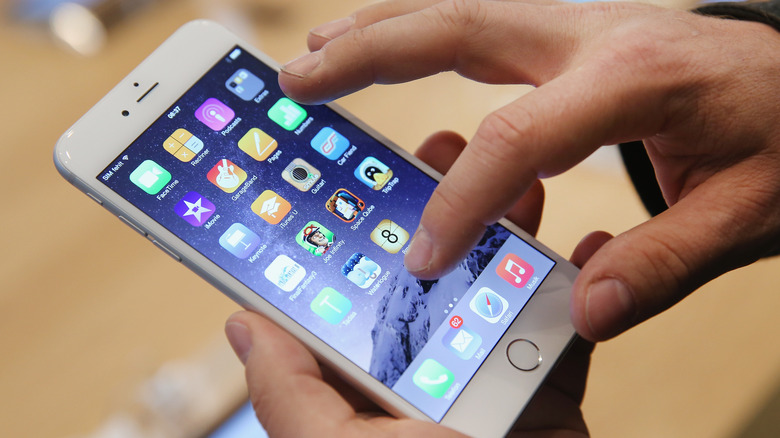
Back in the day, the iPhone had a 3.5-inch display. When phone makers decided to compete with Apple, they began betting on bigger screens. However, truth be told, the Android operating system struggled in its first years, and the touchscreen capabilities didn't compare to the iPhone. Opting for bigger displays was the only way they could project an edge over Apple. With the iPhone 5 and the iPhone's second major design change, Apple upgraded the display with a 4-inch option. In the introduction video, the company highlighted how easily users could tap everything with their thumb from one side to the other of the display.
For the next two years, Android manufacturers continued to bet on bigger displays and Apple kept saying it was a bad idea — until it introduced the iPhone 6 and iPhone 6 Plus, going to 4.7-inch and 5.5-inch displays. At the time, many customers complained that holding these devices wasn't as comfortable and that Apple had made a bad call.
On the other hand, the biggest iPhone you can buy today has a 6.9-inch display. While some users would still prefer the small form factor, users have generally embraced the bigger devices for their bigger batteries, convenient video watching, better gaming, and more. Looking back, it's weird to think how Apple was able to sell a 3.5-inch display on the iPhone for so long.
Swipe gestures
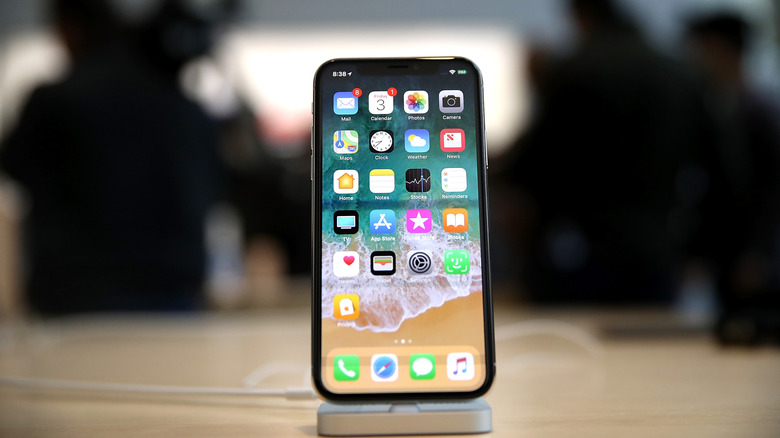
If you bought a new iPhone in the past few years, you probably got a smartphone with swipe gestures. If you're reading this and thinking "Yeah, and, so...?" it's because you might not remember how big a deal it was when Apple redesigned how users interacted with their iPhones. Starting with the iPhone X, the company removed the Home Button, meaning that if you wanted to go back to the Home Screen, see your open apps, or even invoke Siri, you'd have to learn new gestures.
While swipe gestures were just a natural evolution for some, others really hated losing the home button. The company still offers a bar at the end of the display to help users go back to the Home Screen. More interestingly, Apple offered an iPhone with Touch ID, the third-generation iPhone SE, until the release of the iPhone 16e in 2025. Even though Apple introduced the iPhone X almost a decade ago, it took the company over eight years to phase out a device with a Home Screen, which it still supports with the latest updates, like iOS 27. This shows that even though Apple wants to push forward with technology, it also respects customers' time to get used to what it thinks technology should move toward.
Face ID
The iPhone X was also responsible for another big change that, at first, many customers didn't like: Face ID. Apple's facial recognition feature is still unmatched, and while most Android manufacturers offer a somewhat similar feature, none are as secure as Apple's implementation. At the time, people really complained about how relatives could possibly unlock the phone, or how Touch ID felt faster.
While Touch ID has improved over the years, having Face ID is an unmatched experience, as you don't need to worry if you have your hands dirty or wet. Besides that, Face ID works when it's dark or even if you're lying down, meaning that it's always convenient. The only moment when using Touch ID would've been better was during the pandemic, because we needed to use masks all the time. However, Apple released a software update that allowed anyone with an Apple Watch to unlock the phone whenever a mask was detected, which was really convenient.
Face ID is also pretty good at recognizing you on days you use a lot of makeup, or if you might look somewhat different for a specific reason. Besides that, Face ID is always improving and learning from how you look every time it verifies your identity.
Display Notch & Dynamic Island
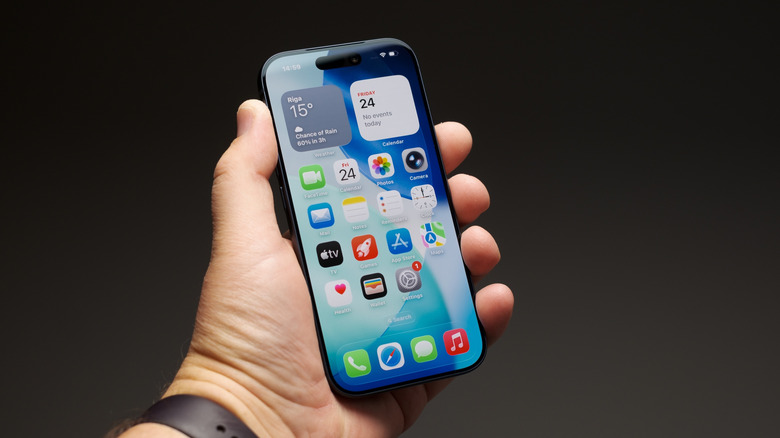
For the longest time, the iPhone was this device with some bezels at the top and bottom of the display that everybody loved — then, Apple introduced the notch with the iPhone X in 2017. This cutout on the screen was responsible for Face ID, but people had strong opinions about that. They said it was ugly, and many brands, like Samsung, mocked Apple for this cutout on its "all-screen" phone. While manufacturers eventually followed with their own versions of a display cutout, Apple decided to give another shot to the notch with the iPhone 14 Pro when it introduced the Dynamic Island.
While people also complained about the design and how the Dynamic Island felt empty, users eventually got used to both design changes. Software updates have also made Dynamic Island better as it now displays information about what you're listening to, a file you're exporting, or an Instagram Story you're uploading. This cutout is also the home of the all-new Siri AI in iOS 27, as if you swipe down on the Dynamic Island, you can interact with Siri and find an app or ask a question.
What's interesting is that, at first, Apple didn't take ownership of the notch, and then a few years later it decided that embracing the cutout was the best way to promote how unique the iPhone still is. That's why you can still find this cutout instead of having a bezel at the top of the phone.
Camera bump
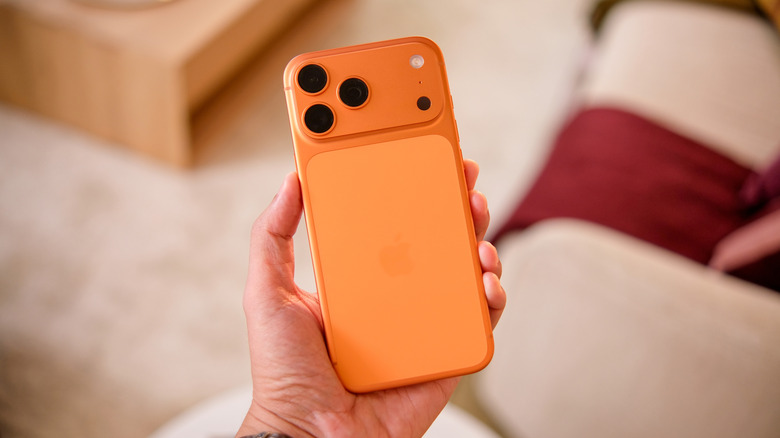
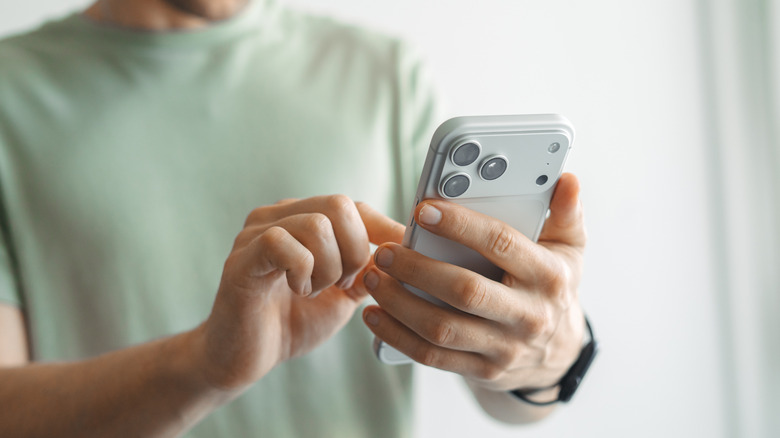
Last but not least, people love to hate the iPhone's camera bump. This trend started back when the iPhone 6 launched with a protruding camera bump. As the years passed, Apple kept increasing the camera bump as it added bigger lenses and improved sensors. It got to a point that we now have the camera plateau, a huge bump on the back of the iPhone 17 Pro and iPhone Air.
While this might not have been the prettiest decision Apple has ever made, and adding an unaligned clear MagSafe case to these devices makes everything worse, they're still so good that after the initial backlash, a lot of customers decided to upgrade to these phones. After all, with three 48MP cameras, the iPhone has never taken better photos. In addition, Apple has been slowly opening up extra features that users and developers can take advantage of to make photos and videos look as good as if they were using proper cameras. That being said, even though people might oppose some of the changes Apple introduced to the iPhone over the years, they often tend to embrace them.