

A Solar Farm In Oregon Is Building A Massive Wildlife Corridor For Migrating Deer And Elk
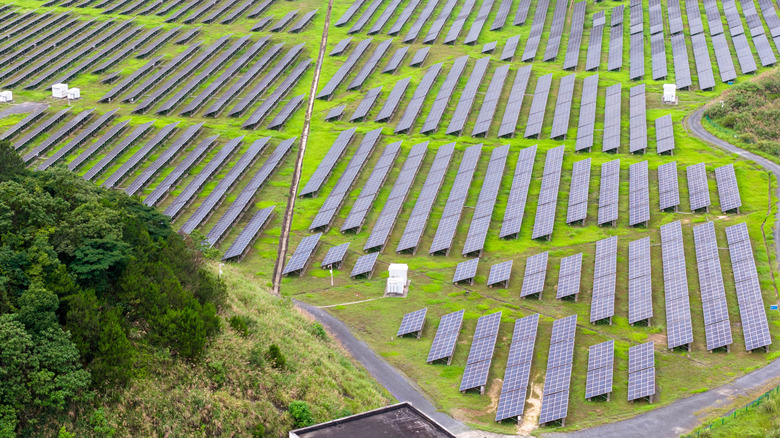
Inch by inch, humans are taking over wildlife habitats, and this trend is only going to continue. Many critics of renewable energy focus primarily on its downsides, such as the space needed for solar fields and the impact on wildlife habitats. Nevertheless, solar farms are an overall net positive. In fact, it seems that green-energy enthusiasts are robbing critics of their ammo. Case in point: A solar farm in Oregon is tackling the issue of wildlife migration head-on by building a wildlife corridor. Its goal? Helping deer and elk migrate, thereby minimizing the farm's impact on local wildlife.
This is not the first time a solar facility has taken steps to assist the environment. After all, a solar farm in Minnesota helped local insect populations grow, while in California, solar panels became a safe haven for endangered San Joaquin kit foxes. However, a proposed solar farm in Oregon run by Invenergy and scheduled to be finished by 2029 is taking a proactive approach. Because the facility will operate in a wilderness area that is an undeveloped home to deer and elk, the 600-foot corridor will go straight through the facility. Thus, it will enable free migration and provide easy access to water sources that these species were observed using.
Of course, such a concept is quite novel, and there's no available research that shows how animals react to corridors. No one knows how wide the corridor needs to be for wildlife to feel comfortable. This is why the Oregon corridor will also present a unique research opportunity. The facility will track animals' movements with game cameras to see if they're moving freely through the corridor.
How solar farms are protecting wildlife
Many non-solar facilities pay no heed to how they will affect the wider ecosystem. As a result, dozens of datacenters are slated for construction in the U.S. despite drought concerns in certain areas. In stark contrast, solar farm operators are finding new ways to accommodate animal species at the design stage.
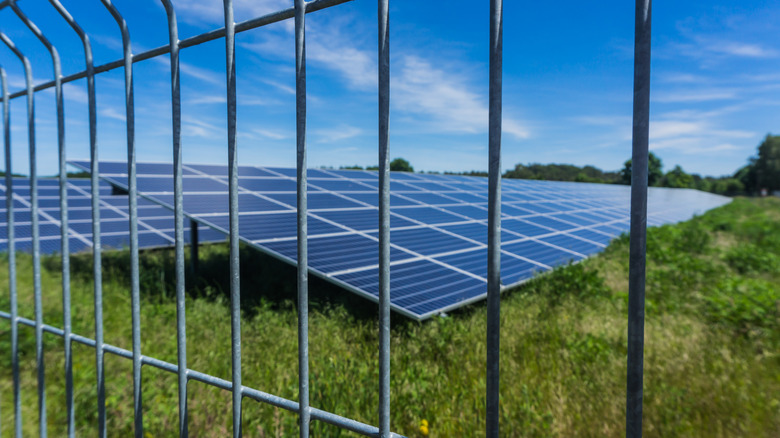
Some of these strategies have already been effective. While we wait to see how beneficial the wildlife corridors will be for large animals, there's an amazing sustainable practice for smaller species. Permeable fencing, achieved either by raising the bottom portion of the fence or by switching to fencing with large mesh, allows small animals to pass through and keeps intruders and large animals at bay. Scientists tracked how this works in a North Carolina facility, and early data is more than promising.
The solar farm in Oregon will open around 2029, and with it, a 1,900-acre conservation area. Combined with the migration corridor, this new habitat may be enough to minimize the effect on wildlife. No facilities are perfect, naturally, and everything humans construct affects both flora and fauna. Still, making design changes and doing everything in our power to accommodate critters big and small is undoubtedly a step in the right direction, and a great way to shut down the naysayers who claim renewable energy is as damaging as fossil fuels.