

Suffering From Success: UK Wind Farms Making Too Much Energy, Costing £1 Billion
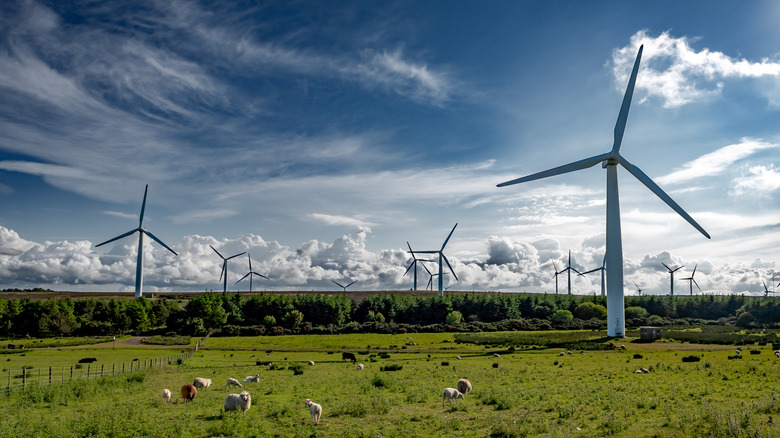
The United Kingdom has been making some big investments in clean energy, including a 43,000-panel solar farm that's vital to a climate emergency action plan. Wind has become the U.K.'s top energy source, accounting for 32% of total output in 2025, but the country's great production capabilities have become increasingly costly. It may come as a surprise, but the problem isn't a lack of generation — it's that wind farms, particularly those in Scotland, are producing more energy than can be stored or transported.
As a result, these facilities are sometimes instructed by the National Energy System Operator (Britain's government-owned energy system operator) to reduce their output, compensating them with what are called constraint payments. Not only is that wasting clean energy that could potentially power homes and businesses, but it's also costing the country over £1.03 billion so far, over £300 million more than this at this point in 2025. Some individual days have cost tens of millions, according to Octopus Energy, which also says costs could soar to over £3 billion by 2027 and a staggering £10 billion by 2030 if infrastructure and policy don't change.
Constraint payments amount to paying wind farms to reduce or cease operations at times when energy transmission equipment is approaching its physical limit, creating a bottleneck. Overwhelming the grid with excess power is dangerous and can cause it to fail completely, so compensating power generators for lost revenue is a cheaper and safer solution. However, with payments becoming more and more of a financial burden, it's clear the U.K. needs to make some major changes to its electricity system.
How can the U.K. can get wind energy costs down?
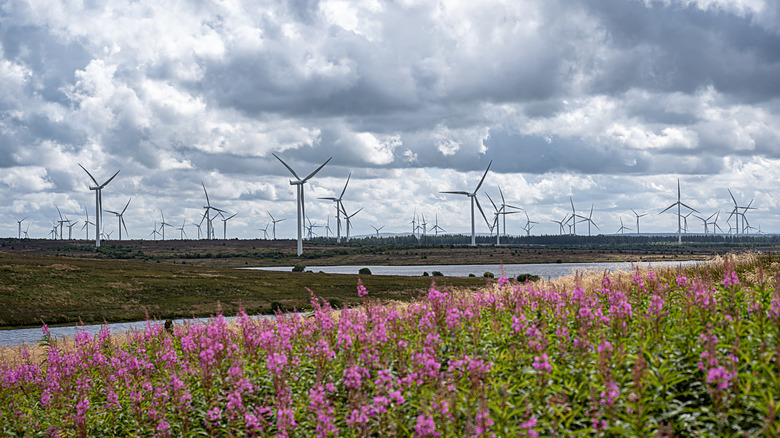
The main issue with the U.K.'s green energy system is that the bulk of wind generation occurs far from where that electricity is most necessary, and transmission lags far behind production capabilities. In other words, there's no way for wind power to get from Scottish wind farms to southern population centers like London. Moreover, when wind turbines go off, gas plants closer to high-demand areas fire up to fill that gap, increasing fossil fuel use to make up for lost clean energy.
Building clean energy facilities closer to where that energy can be used may sound like an obvious solution to address the U.K.'s skyrocketing wind energy costs, but wind farms require optimal conditions to work efficiently. They need consistent access to winds of at least 9 mph and plenty of space, which is why they're generally in remote areas and why wind turbines aren't a more popular way to power homes. Investing in infrastructure to better deliver power where it needs to go and increase overall network capacity is important for addressing the disadvantages of wind energy in the U.K. and beyond.
Being able to handle more power would prevent energy from going to waste and decrease bottlenecks, particularly if they can catch up and keep pace with clean energy generation capabilities. That also means increasing storage for wind-based electricity, allowing it to be saved for times when demand is high and new supply is low. While constraint payments have their purpose, spending billions annually for power to not be produced isn't sustainable, which is why the U.K. needs to focus on actual solutions that address the core issue while prioritizing the elimination of fossil fuel use.