

4 Disadvantages Of Wind Energy (And How Science Is Trying To Overcome Them)
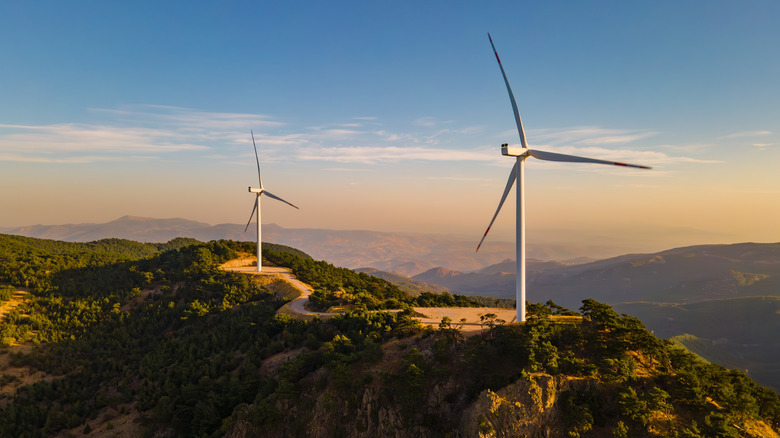
Transitioning from dirty fossil fuels to clean energy is vital for addressing climate change. Scientists have found evidence that solar power is being ruined by fossil fuels, which is yet another good reason to ditch coal and natural gas in favor of other sources like wind energy, which currently accounts for around 10% of the electricity generated in the United States as of 2025. Wind turbines are an effective way to generate electricity, but wind farms face plenty of challenges.
Many of these hurdles are political or reputational, with many arguing that wind turbines are dangerous and unreliable. In reality, there is a lot of evidence suggesting that turbines are safe and efficient, but that doesn't mean they're perfect. Even if there are myths about wind power worth busting, the technology comes with its own challenges and flaws. Fortunately, scientists are working to address the current disadvantages of wind energy to make it more effective and environmentally friendly.
Consistency and output
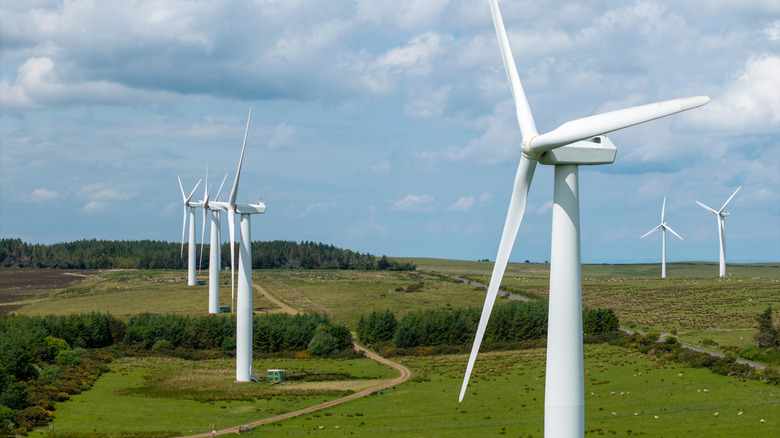
One of the most common criticisms of wind energy is that it's inconsistent and, therefore, unreliable. That's not entirely untrue. Turbines can't operate when no wind is available, making it what's called a variable or intermittent power source. Since wind patterns differ between regions and seasons, this impacts output and can make wind energy more expensive than other energy sources available in a particular (non-windy) area. It also doesn't help that you would need hundreds of wind turbines to equal one nuclear reactor in terms of electricity production.
That doesn't mean wind energy isn't effective or worth pursuing. To start, modern wind turbines can generate electricity from even a breeze, so they don't need a constant stream of heavy wind to work. Wind is also meant to be supplemental, coexisting with other green energy sources like solar and hydropower.
Making turbines themselves more efficient is a great goal, but scientists have another answer: batteries. When they're working at or near maximum capacity, wind farms can produce far more electricity than can be immediately used, but that surplus goes to waste unless you have a battery storage system to hold onto that power. Even if turbines will never be able to generate as much energy as nuclear and other sources, wind power batteries provide a steady power supply on demand.
Turbines kill birds

Another criticism you'll also hear about wind turbines is that they kill large numbers of birds that unknowingly fly through the spinning blades. While it is true that turbines kill around 700,000 to a million birds each year, they're far from a leading cause of death. To put it in perspective, over a billion birds die annually from crashing into buildings, and house cats kill around 2.4 billion a year. In fact, other forms of energy production are more hazardous to birds. A study published in a 2013 issue of Renewable Energy found that fossil fuel and nuclear plants kill more birds per gigawatt-hour (GWh) of electricity produced — and keep in mind that wind farms don't produce nearly as much power as these other sources.
However, while the threat to birds is overblown, it's still a threat and something worth addressing. Science and technology are providing some potentially effective ways to mitigate harm to birds around wind farms. One involves painting a single blade on each turbine black to make them more visible to birds, which reduced bird fatalities by over 70% in one study. Another solution is automated cameras that detect birds (especially threatened or endangered ones) and can turn off individual turbines if one approaches.
Both approaches come with drawbacks. Painting blades at active wind farms isn't easy, and turning off turbines all the time for birds reduces output and makes the facility less efficient. Still, these are the kinds of creative solutions necessary to make wind farms more environmentally conscious.
Noise and aesthetics
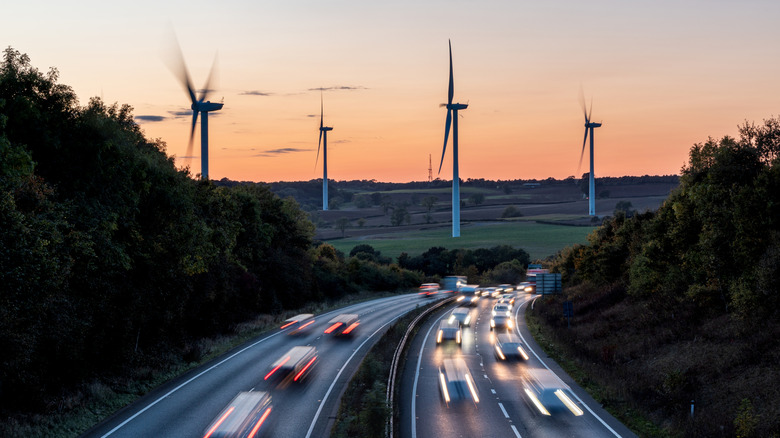
Opponents of clean energy often claim that wind turbines cause a harmful amount of noise pollution, connecting it to mental health and even cardiovascular issues. In truth, your refrigerator is probably louder than a wind turbine as heard from a nearby home. Turbines produce a sound measuring around 35–45 decibels when heard from about 1000 feet away (which is generally the minimum distance between turbines and buildings), less than the 50 decibels from your fridge. Additionally, studies have found limited to no evidence of adverse effects from wind turbine noise other than some annoyance with the sound.
There are also those who simply don't like the way wind turbines look. That's based on personal preference and not something science can address, but expanding where wind farms can operate could reduce the need to build them in populated areas. Offshore turbines are a good option, but funding has been challenging, and many wind turbine parts face heavy trade tariffs.
Chinese scientists have developed some creative solutions, including building a single massive offshore wind turbine that's well over double the height of the Statue of Liberty and capable of powering about 24,000 homes each year. Even more ambitious is China's flying wind turbine, designed to harness more powerful and consistent winds from thousands of feet above the ground. As with other innovations, these present their own challenges, but they prove that wind projects can be less disruptive.
Transmitting electricity produced by wind
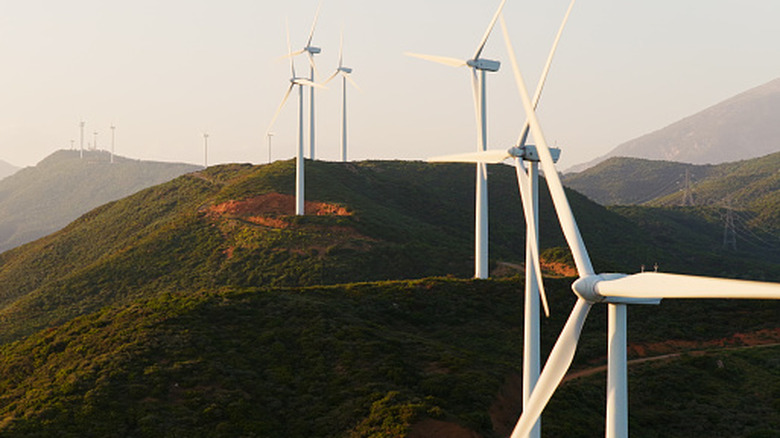
Even if modern turbines don't make that much noise, that doesn't mean wind farms can or should be built just anywhere. Turbines produce the most power in rural and remote areas with a lot of wind access, such as open fields or near coastlines, which have the extra benefit of limiting the aforementioned disruptions to locals. However, wind farms being so far from population centers means there need to be systems in place that can transport that electricity to places where generation is not viable and demand is high.
The key to addressing this mismatch is expanding and modernizing our energy infrastructure to meet growing demand and incorporate more clean energy into the American power grid. Beefing up the network of available long-distance transmission lines can help tap into the surplus of wind and solar energy produced so it can compete with fossil fuels in terms of price and availability. These projects also create jobs and improve national security by making the country's power grid less vulnerable to foreign adversaries.
Part of modernizing the grid involves developing batteries with greater capacity to store plenty of excess electricity. As mentioned above, batteries make wind energy more viable as a constant source of energy, providing a source to tap into when supply is low and demand is high. Getting energy from remote wind farms to homes and businesses is a challenge, but it's one that can likely be addressed (at least eventually) through science and investment in infrastructure.