

How Many Wind Turbines Would It Take To Equal One Nuclear Reactor?
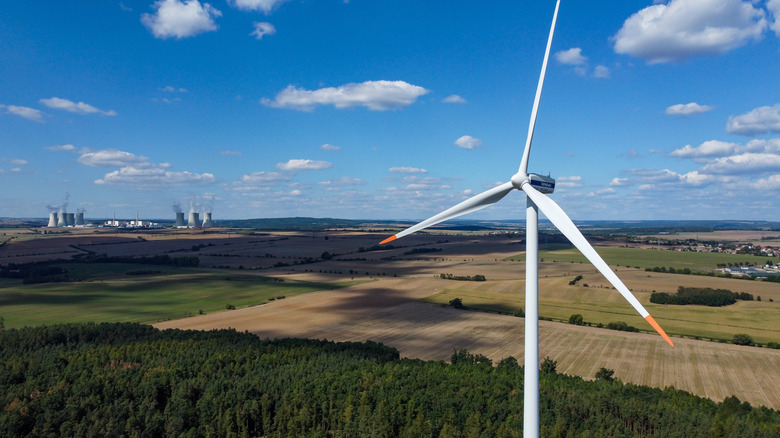
Demand for electricity is skyrocketing in the United States, and it's expected to keep growing. Energy analysts predict electricity demand will rise 25% by 2030 and 78% by 2050. While the Trump administration funnels money to the coal industry as a solution, most Americans support energy sources that don't rely on fossil fuels, such as wind and nuclear. Both coal alternatives offer varied benefits and risks, but the clearest comparison looks at how much power a standard nuclear power plant can produce versus a wind farm. The average nuclear reactor has 900 megawattsof capacity, enough to power about 700,000 homes. It would take a wind farm with 800 standard turbines, producing 3 megawatts each, to equal the annual output of one standard nuclear reactor.
if those numbers don't appear to add up, there's a reason why. Nuclear reactors have a much higher capacity factor. Nuclear plants run close to full power most of the time, producing 93% of their maximum output over a year, while wind turbines, which are affected by weather and location, average closer to 36%.
Furthermore, both need a lot of space, but in different ways. The average reactor sits on 180 acres, about the size of a dozen Costco stores and parking lots. An 800-turbine wind farm would need about 77,000 to 119,000 acres, depending on the terrain and wind conditions. However, there is open space between the turbines, which can do more than generate electricity — a nuance often missed in land-use comparisons.
How wind turbines compare to nuclear reactors on safety and waste
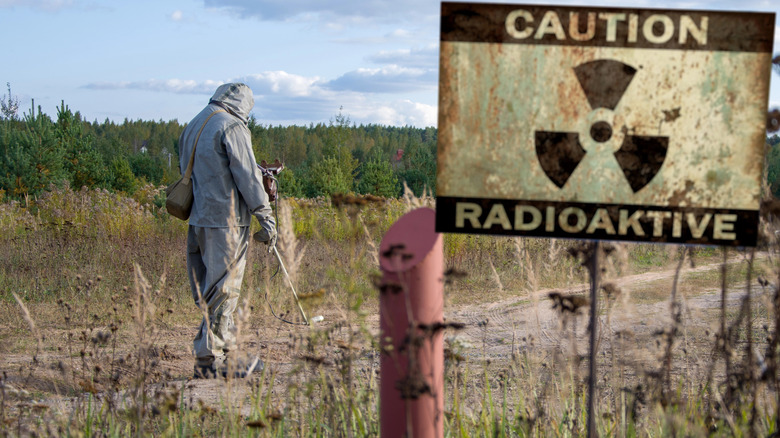
Despite its enormous output, nuclear's role is expected to shrink. The U.S. Energy Information Administration predicts nuclear's share of energy production in the U.S. will fall up to 5% by 2050. Two major concerns are nuclear waste and safety. When compared, wind turbine accidents appear to be relatively minor. In 2024, turbine debris has fallen on beaches from Massachusetts to the U.K. In Australia that same year, a blade crushed a man during installation. Now compare those incidents to the worst nuclear disasters, including the infamous Chernobyl reactor explosion, blamed for tens of thousands of deaths. Despite these numbers nuclear power is actually considered safe. Nonprofit research publication Our World in Data estimates coal causes 24.6 deaths per terawatt hour, while wind causes 0.04 and nuclear causes 0.03.
The big difference between nuclear and wind power is what happens after electricity is generated. Nuclear reactors are licensed for 40 years, though some keep operating up to 80 years. Wind turbines last 20 to 30 years. When turbines are finished, most of the material is recyclable. Even fiberglass blades are being reused as fillers in concrete and structural materials. A nuclear plant, on the other hand, takes up to 60 years to decommission. The bigger concern is nuclear waste (which can last for a long time). The U.S. has no permanent commercial repositories. Nuclear waste remains stored at nuclear plants until long-term storage options become available, keeping the site hazardous for generations. To meet future electricity needs, the best option may be a combination of both: wind for scalable, renewable production and nuclear for steady baseload power. Each comes with its own risks and rewards.