

Eagles Kept Dying At These Wyoming Wind Farms – Until Automated Cameras Stepped In
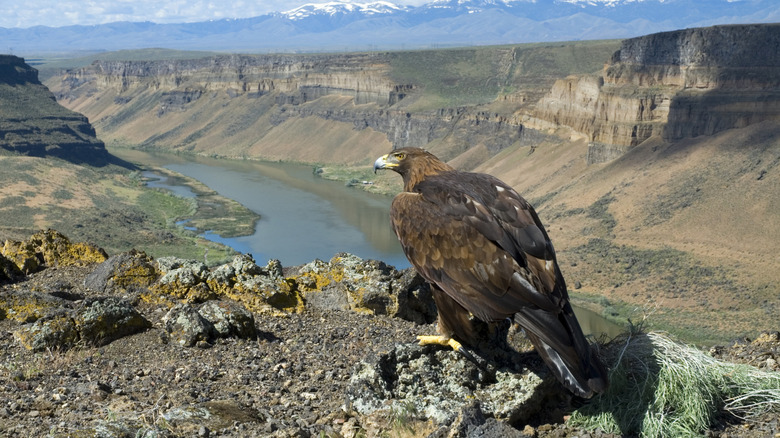
While they should go hand in hand, wildlife conservation and clean energy projects often find themselves at odds. In some areas, for example, birds can't tell the difference between solar panels and lakes, which affects their migratory pattern, and wind turbines are known to cause bird fatalities. To help protect birds — including the protected golden eagle — the Top of the World Windpower Project in Wyoming installed a system of cameras, called IdentiFlight, that detects objects flying towards turbines.
The IdentiFlight cameras use artificial intelligence track approaching birds and, if the bird flies too close to a turbine, the technology will temporarily stop the turbine. IdentiFlight has been shown to be pretty effective. A study carried out between 2014–2019 and published in a 2021 issue of the Journal of Applied Ecology found that the tech specifically reduced eagle fatalities by over 80% compared to a control group, which actually saw an increase over the same period. That's why it's been implemented at other wind farms in Wyoming and across the world with the ability to identify hundreds of bird species.
Expanding clean energy requires environmental solutions
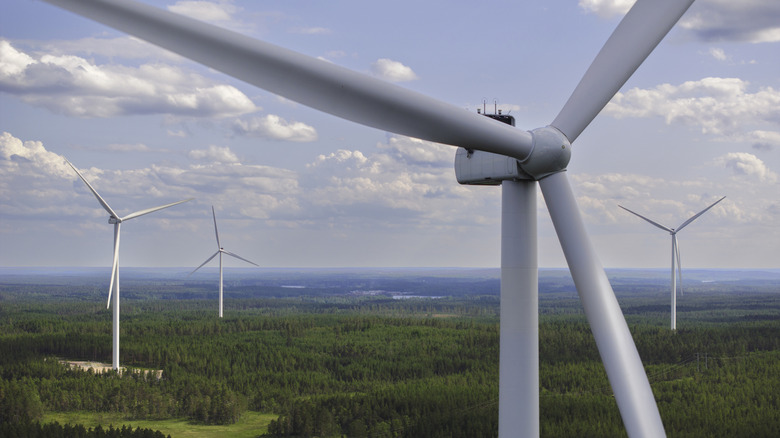
IdentiFlight technology is a smart idea and effective way to protect birds from dying to spinning wind turbines, but other issues remain. First, while automated systems can prevent some bird deaths, it can't stop them all. It still matters where wind farms are located, and developers still need to seriously consider the ecological impact on local wildlife (especially protected bird species) before selecting new sites.
Additionally, even though this technology is good for birds, temporarily stopping the wind turbines is bad for efficiency. Pauses mean lower energy production, especially if they occur frequently. That's an issue amid growing demand for electricity, particularly since you'd need hundreds of wind turbines to equal one nuclear reactor. Finally, wind farms aren't the only environmental risks, as Wyoming is also dealing with a Cheyenne water recycling plant that only recently restarted after it was contaminated by a Meta AI data center.
Still, while the solutions are imperfect, improving clean energy sources so they are more ecologically conscious is a worthwhile goal. Clean energy infrastructure can destroy habitats and harm wildlife, but it can also help them. For example, reports suggest Europe's offshore wind parks are helping marine life by creating new homes that fishers can't reach, and some central California solar farms are helping the endangered San Joaquin kit fox.