

Wyoming Water Recycling Finally Safe To Restart After Meta's Data Center Contamination
There's no denying that AI use is transformative, both in business and personal affairs. However, supporting the tech requires a great deal of resources. For instance, generating a simple email with ChatGPT requires much more water than you may think, and a single Amazon data center reportedly went through 2.5 billion gallons of water in a year.
Sadly, residents of Cheyenne, Wyoming, got a front-row seat to the AI data center debate when the company contracted to build Meta's new data center polluted the city's wastewater treatment system. The pollutant? Bacteria referred to as Cupriavidus gilardii, which can cause severe infections in immunocompromised individuals. After discovering the contamination during a routine test in February 2026 and tracing it back to Goat Systems LLC (which was handling the data center's construction), the city's Board of Public Utilities acted quickly and took away Meta's discharge privileges. As a long-term measure, it also enforced a policy prohibiting water discharges from facilities like data centers that rely on fill-and-flush systems and closed-loop cooling.
The good news is that the bacteria didn't pollute drinking supply in Wyoming's capital city, but it did pollute two treatment facilities. In response, the board temporarily halted the reuse water system that purifies water and repurposes it for irrigation. After months of cleanup, the facility finally resumed its operations on June 29.
How did the in-progress data center pollute the water?
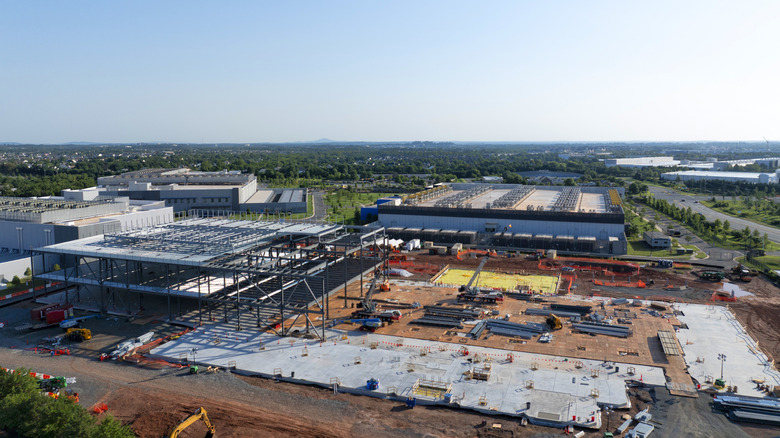
Generally speaking, people are wary of new data centers. Case in point, locals in Newton County, Georgia, clearly expressed concern about a large Meta AI data center because they already experienced issues with the water supply. Yet, what many online users miss is that the Cheyenne incident didn't involve an active data center but rather one under construction.
What happened is that Goat Systems LLC unwittingly introduced the water that carried the bacteria into the water reclamation system. During the commissioning, in particular, while completing the fill-and-flush process, the company filled the cooling loop with water. Then, it flushed the piping with water to clear any debris and later dumped the flush water into the sanitary sewer. Though the flush water already contained the bacteria, officials have no idea where it actually originated from. In fact, the Cheyenne Board of Public Utilities sold the contractor the water they used for flushing.
In the end, the damage was minimal, and the new requirements passed as a result of the incident will help sidestep any similar issues. For example, companies that rely on closed-loop cooling will need to build their own collection systems instead of draining water into the city's sewers. Technically, the citizens walked away victorious.