

Why Did Apple Stop Making The iPhone Mini?
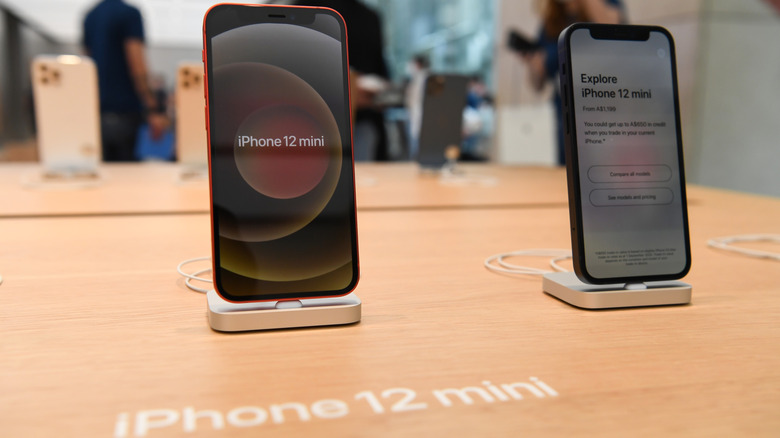
In 2007, Apple released the first-ever iPhone with a 3.5-inch touch display. Competing manufacturers saw an opening and initiated a growth spurt that our hands saw coming. Four inches. Five inches. Six. Darn. Inches. Display tech advanced and screens were getting bigger each year. Apple had been on the same ride, but there were two infamous oddballs that broke the pattern: the iPhone 12 Mini and iPhone 13 Mini. There they were in a glorious one-handed size... and then they were gone. Why?
For starters, the company never treats its value-oriented iPhone models like its mainstream ones. The iPhone 5c sold numbers like other iPhones did to that point, but it was a critical failure for its cheap, plasticky vibes. The iPhone XR excelled as an affordable play off of the all-screen iPhone X, but it didn't exactly spawn a lineage. And each of the three iPhone SEs were based on designs and parts from older generations of iPhone, so the company was able to keep using old supply lines to serve a price-sensitive slice of the audience. In that sense, the reasonably successful iPhone e-series has taken the SE's place.
You could see how the iPhone Minis were carrying the spiritual torch in a relay of cheap iPhones. Sadly, they tripped and fell. Unlike its brethren, the 12 Mini and 13 Mini weren't meeting sales expectations. Apple saw enough and cut bait.
The iPhone Mini led a brief revival of small smartphones
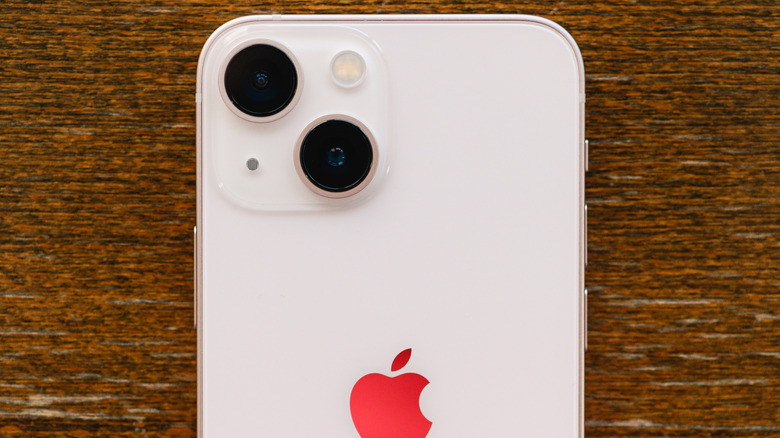
Six months into the iPhone 12 Mini's life cycle, Nikkei Asia reported that Apple had cut production targets for the phone. Market researchers at CIRP claimed during the summer quarter of 2021 that the iPhone 12 Mini made up 4% of all iPhone sales while the iPhone 13 Mini netted 2% — to be fair, the latter device had only been available less than a week before the end of September. A year later, those numbers went to 1% and 4%, respectively. Furthermore, Apple had designed a unique 5.4-inch chassis and, thus, had to dedicate additional supply and production capacity on top of its existing popular 6.1-inch and 6.7-inch models. Apple discontinued iPhone mini sales in September 2023, and there have been no indications of a revival since.
There were only a couple of competitors that were also in the small phone arena around the same time. In 2018, the Palm mobile brand introduced a 3.3-inch "smartphone companion" rather than anything resembling a good idea. And in 2021, Asus shrunk down its ZenFone series with three generations of Android devices using a 5.9-inch display. The company opted not to release new smartphones for 2026. It's a bummer that we've left 5-inch phones behind seemingly for good at this point, but there's some grace in seeing that we aren't actively playing in the 7-inch zone, unless we're talking about foldables like the Motorola Razr Ultra.