

Streetlights Could Be Unexpectedly Trapping Bugs In A Dangerous Cycle
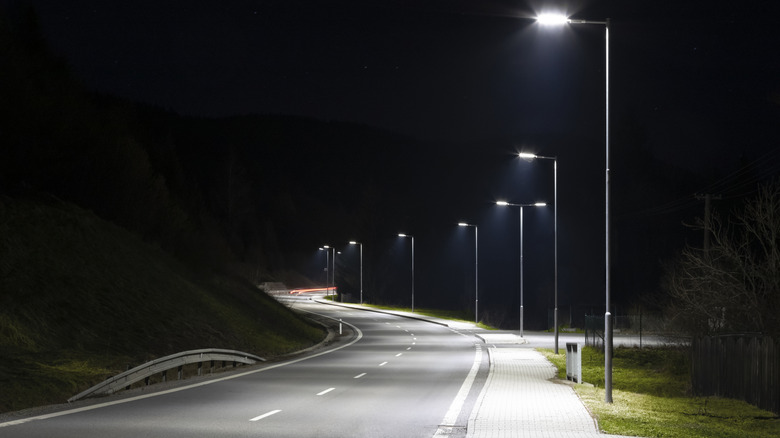
Streetlights are a safety net for cities and suburbs. But they may be causing more harm to local wildlife than you expect. It's clear why some people want streetlights. It feels safer walking underneath them, and there's evidence to support that feeling. A Philadelphia study saw a 15% drop in outdoor nighttime street crimes after upgrading 34,000 streetlights. While research in Chicago and the U.K. didn't produce the same blockbuster results, there's no denying the comfort of light in the dark. Unless you're a woodlouse.
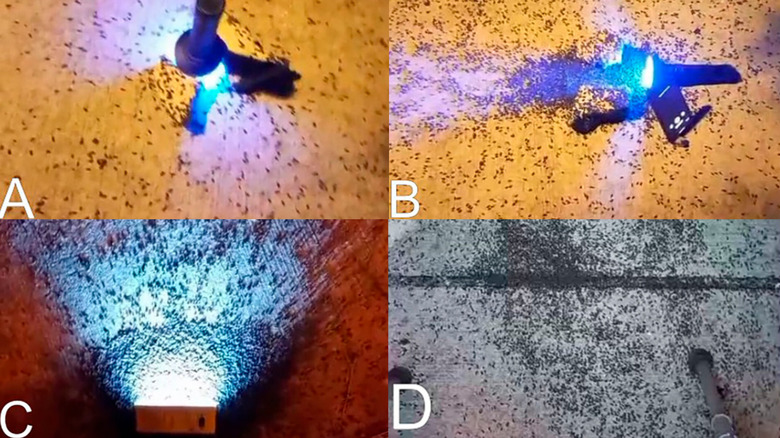
The nighttime routines of these cousins to the roly-poly are being derailed by streetlights. Amateur naturalists in northern Israel noticed an unexpected behavior at night. Thousands of woodlice circling under streetlights. Normally, woodlice spend the day hiding, clustered in damp places. After dark, they head out to forage, sometimes together. Thousands gathering in the open and moving in circles is unexpected and dangerous for them.
In a 2026 study published in Ecology and Evolution, researchers examined one of the sites, Eliad in the Golan Heights, which has unusual magnetic geology. They located the swarm and set up a powerful magnet but found no change in activity. An ultraviolet light didn't distract many from their circling. Then they brought in a white light. First, they set it horizontally. A large number of woodlice came to it, though they didn't circle. Researchers pointed it downward, emulating a streetlight. The woodlice arrived and started circling underneath. Researchers believe that white light attracts woodlice and the circular shape traps them in a cycle.
The unexpected ways streetlights can disrupt wildlife
Walking in circles isn't inherently dangerous, but staying exposed can make woodlice easy prey. The behavior goes against their tendency to stay hidden and remain in the dark. It indicates that artificial light can essentially override an animal's normal behavior, causing them to act unexpectedly. For example, a study of frogs in Panama found artificial light causes them to call out more often, making them more attractive to mates, and potentially easier to find for predators. In South Africa, researchers discovered that dung beetles stop navigating with the stars and start navigating with human buildings. It affects how caterpillars feed, pollinators pollinate, and it seems to have a bizarre effect on tree leaves.
The threat is clear. Communities have responded, finding ways to keep humans safe at night while supporting wildlife. In Florida, many coastal communities require turtle-friendly lighting. After they hatch, sea turtles use light to navigate to the ocean. Artificial white light confuses them. Local rules can require long-wavelength LED lights near their habitats. The low-intensity bulbs are mounted low and shielded, keeping light from bleeding onto the beach.
In Denmark, red streetlights may look strange, but they have a purpose. Bats are sensitive to white light and tend to avoid it. They're more likely to visit areas with red lighting, which is crucial because they eat mosquitoes. Conversely, flying insects gather in artificial light, making them easy to hunt (due more to confusion rather than attraction). Researchers in Israel want to go further to understand specifically why woodlice are compelled to circle the light and how the unexpected behavior affects the species' survival.