

Do American Cell Phones Work In Europe?
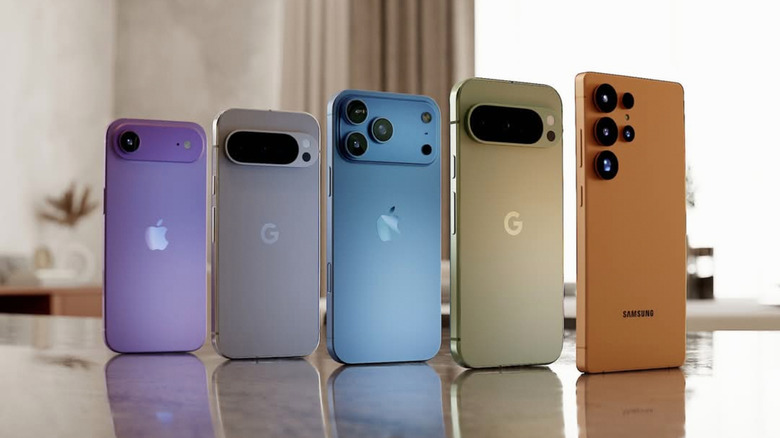
Most modern American cell phones, including the newest iPhone and Android handsets, work in Europe with relative ease, but buyers should still check a few particular features to reduce the risk of running into compatibility issues, as explained below. This should be good news for both American travelers, who will want to browse the web, make calls, and send text messages while visiting European countries, and Europeans who want to purchase an iPhone 17 or Pixel 11 model from the U.S. for a cheaper price than in their home country.
The idea that American handsets can be useless in Europe may date back to a time when Verizon and Sprint operated on CDMA 2G and 3G networks that were incompatible with European GSM networks. Sprint and T-Mobile merged, and Sprint's CDMA network was shut down in March 2022. Similarly, Verizon decommissioned its CDMA network as of late 2022. Separately, GSM phones sold on AT&T, T-Mobile, and other carriers may have worked in Europe in the mid-2000s if they supported the correct cellular bands.
Nearly two decades later, most iPhones and Android devices sold in the U.S. should work reliably on 4G (LTE) and 5G networks available in Europe. That said, users may run into some specific issues. For example, some devices may only support eSIMs, or digital SIM cards, which may be a problem for using a local SIM card in Europe. Also, cellular band use may differ by European country. Finally, Europeans who purchase American phones should be aware of their warranty and customer-support options at home.
Locked phones, roaming, and eSIM support
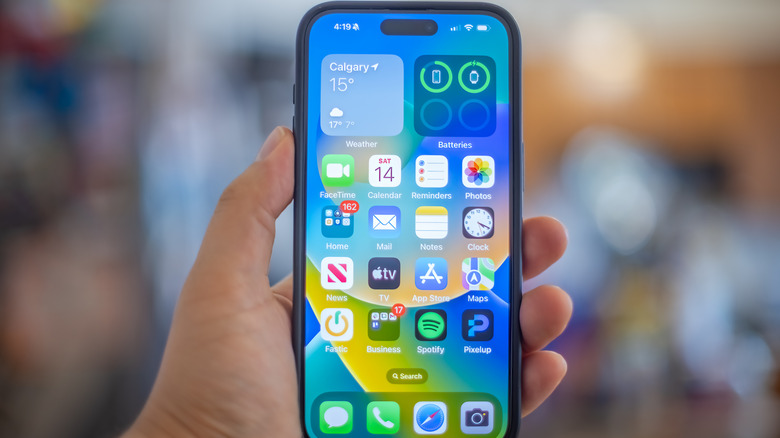
American travelers should consider activating a roaming plan before departure. They should also buy a local prepaid SIM card, which may offer them more affordable rates for internet access and phone calls. This option is only available if their iPhone or Android model is carrier-unlocked. If the device is tied to the mobile operator, it won't work with other SIM cards. Similarly, Europeans who purchase an American phone should ensure they get the unlocked version so they can use it with a local carrier.
Most iPhones sold in the U.S. and some Android devices, including several Pixel 10 and Pixel 11 models, come in eSIM-only versions. That means owners will have to use eSIMs in European countries. Americans will need to ensure the carriers in the country they're visiting sell prepaid eSIM plans, or install a prepaid eSIM with international coverage before arrival. This detail is even more important for Europeans who want to buy an iPhone 17 Pro from the U.S., which has a slightly larger battery than models with physical SIM slots. They will have to verify that their carrier supports eSIMs before purchasing the U.S. model.
When it comes to cellular connectivity, American smartphones will work on European 4G or 5G bands regardless of whether the handsets use physical SIM cards or eSIMs. The key detail is that they have to support the common European bands: 2,100 MHz (B1/n1), 1,800 MHz (B3/n3), 2,600 MHz (B7/n7), 900 MHz (B8/n8), 800 MHz (B20/n20), 700 MHz (B28/n28), 3.5 GHz (n78), and 26 GHz (n258). American phones should support most of these bands. Bands n28 and n78 are critical for 5G support. But even without compatible 5G bands, U.S. handsets may support 4G LTE networks.
Smartphone charging, Wi-Fi, Bluetooth, and warranty
Everything else should work without a problem, including Wi-Fi and Bluetooth connectivity. The European Union has a different spectrum than the U.S. for the 6 GHz Wi-Fi standard, but this should not influence Wi-Fi connectivity (2.4 GHz and 5 GHz) at hotels, airports, restaurants, and other public places. When it comes to Bluetooth, the short-range connectivity standard operates at similar frequencies worldwide (2.4 GHz ISM).
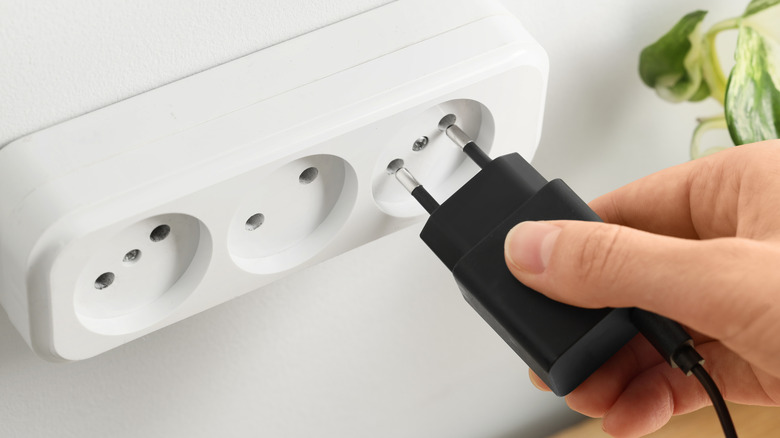
Users should also be aware of how smartphone charging works in Europe. Americans will need a different plug than what they have at home to recharge their iPhone and Android handsets, as well as power banks. They can still use the USB-C cable that comes in the box with the handset. They should purchase a plug adapter for their charger. Europeans who buy handsets from the U.S. may have European power adapters at home. Most phones are sold without chargers in both regions. Even so, users should ensure that the power adapter supports 100-240 V AC at 50-60 Hz.
Finally, the phone's warranty can be a big issue for European consumers who purchase an iPhone or Android handset in America. Apple, Google, Samsung, and other vendors may have specific warranty policies for different markets. Europeans may run into issues when trying to service the device in their home country. American travelers may not need to worry as much about coverage issues while vacationing, assuming their smartphone is still covered. They can either try to seek service for their devices locally or wait until they return home.