

Why Are International iPhones Way More Expensive Than American Ones?
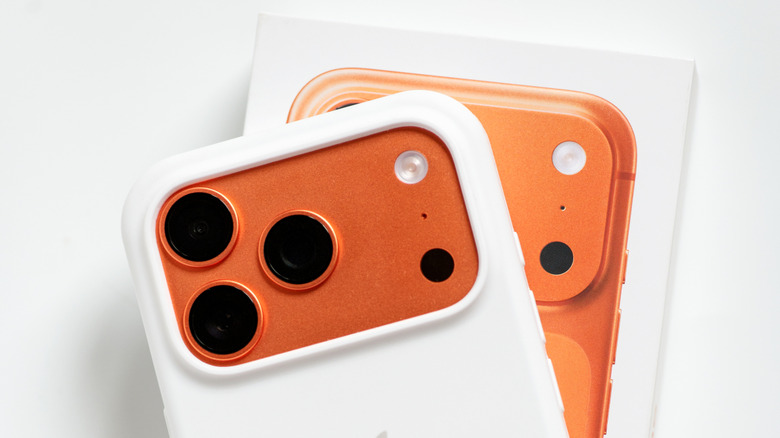
If you think iPhones are expensive in the United States, you may be shocked to see some of the international iPhone prices that Apple charges around the world. The same 256-gigabyte iPhone 17 Pro that costs $1,099 in America would retail for more than twice as much in Türkiye ($2,366) and Brazil ($2,285), according to Apple Price Compare. Several European countries also have significantly higher prices than those in the U.S., ranging from the United Kingdom, at $1,474, to Hungary, at $1,772. Japan ($1,131) and Canada ($1,162) have the closest prices to the U.S. market. Similar price differences appear across the iPhone models Apple sells, including the older iPhone 16 versions, the more affordable iPhone 17e, and the standard iPhone 17 ($799 in the U.S.). The reason why Apple charges more for the same iPhone in different markets is complex. For example, the company has to account for its target margins and the foreign exchange rate when pricing its iPhones internationally. Other factors, like tariffs, may also affect pricing. Finally, there's one important difference between the way prices for goods are displayed in the U.S. compared to international markets: the value-added tax (VAT).
The $1,099 and $799 examples above are the advertised prices for the iPhone 17 Pro and iPhone 17 in the U.S., respectively. However, that's not what consumers pay in most states, as the price doesn't include sales tax. By comparison, many international markets display the full price the buyer would pay. Tax isn't uniform around the world, as each country may charge a different sales tax. Even the European Union, which includes 27 countries, doesn't have a uniform VAT structure, which is one reason iPhone prices may vary slightly from one EU member to another.
iPhone 18 will bring more price hikes
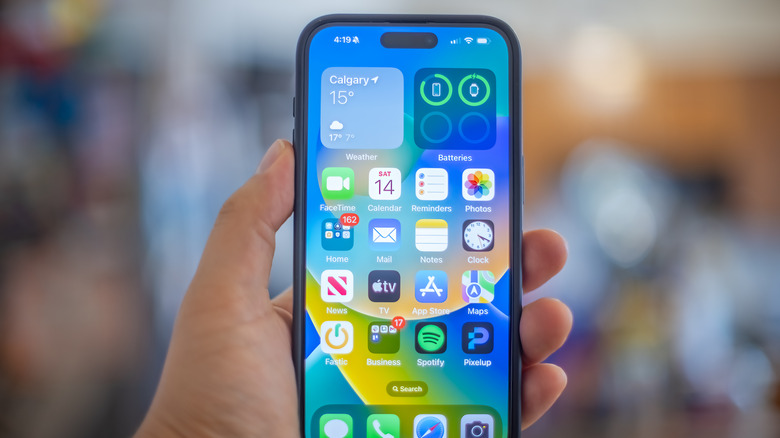
Tax may be the simplest way to explain the discrepancy between U.S. and international markets, but it's not the only factor. With each iPhone generation, Apple tries to protect or increase its profit without raising headline prices. That balancing act is visible in the U.S., where Apple has kept the entry price for the base iPhone at the $799 advertised price for the standard iPhone 17. That's the same baseline as all iPhone models sold in the U.S. since the iPhone 12 debuted in 2020. The actual price for all these standard iPhone variants is $829 when purchased without a carrier activation discount.
However, Apple has increased some iPhone prices. The $699 iPhone mini model was replaced by the iPhone Plus, which Apple sold for $899. Apple then discontinued the Plus series, replacing it with the iPhone Air, which starts at $999. In 2023, Apple removed the 128-gigabyte storage tier from the iPhone 15 Pro Max model but didn't change the price for the 256-gigabyte version ($1,199). Apple repeated the pricing strategy with the iPhone 17 Pro in 2025, removing the 128-gigabyte option, but keeping the 256-gigabyte price at $1,099.
Even so, the iPhone 18 series is expected to bring a price hike. Apple CEO Tim Cook said that Apple products will be more expensive to account for the ongoing memory shortage. Cook didn't mention the iPhone 18 specifically, but Apple wouldn't be the first smartphone vendor raising prices in 2026. Rumors also say that the standard iPhone 18 model will not launch until March 2027. The fall 2026 lineup will reportedly feature only premium models, including the iPhone 18 Pro, iPhone 18 Pro Max, and the foldable iPhone. All of these trends push the average iPhone purchase price upward.
Should you buy an iPhone from the U.S. to save money?
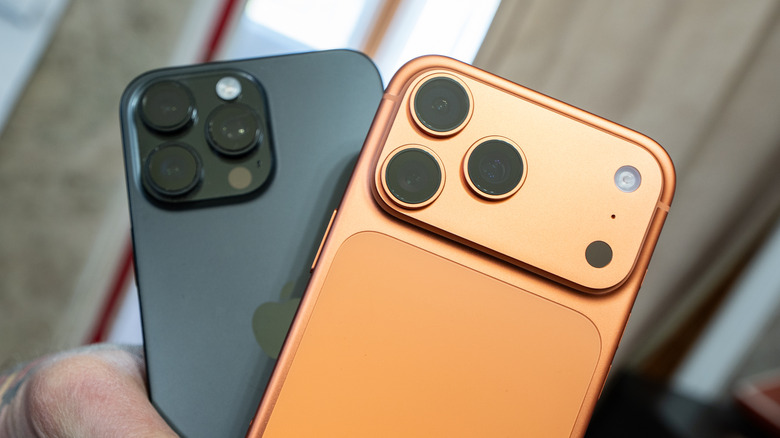
While it's unclear how much more expensive the iPhone 18 models will get, any price hikes in the U.S. would likely be reflected in international markets. On top of the value-added tax and Apple's margin targets, there's also the currency exchange rate to consider. For example, Apple increased iPhone prices for many iPhone 14 models sold in Europe in 2022 in response to the weaker Euro. A year later, Apple adjusted the prices downwards for the European market. In both years, the U.S. iPhone prices stayed unchanged.
Given these considerations, iPhone fans travelling to the U.S. from other countries may be looking for a better deal than the offers available in their countries. They may want to buy a more expensive Pro model or get more storage than they would in their home markets. That is possible, but there are important caveats. The iPhones sold in the U.S. should work internationally, but buyers should be aware of a few key issues. First, since current U.S. iPhone models are eSIM-only, buyers should ensure their mobile operator supports eSIM connectivity. Also, iPhone purchases in the U.S. may be subject to import tax when returning to their home country.
More importantly, buyers should keep in mind one key warranty detail. Apple offers U.S. buyers one year of limited warranty, while other regions may get up to two years of coverage. However, the warranty may apply only to the region where the iPhone was originally sold. International buyers may not receive free repairs or other services that apply under standard warranty in their home country, as Apple may not fully honor international purchases. That said, international buyers may still access repairs and services, but they could have to pay specific fees.