

The eSIM Internet Speed Myth You Should Stop Believing
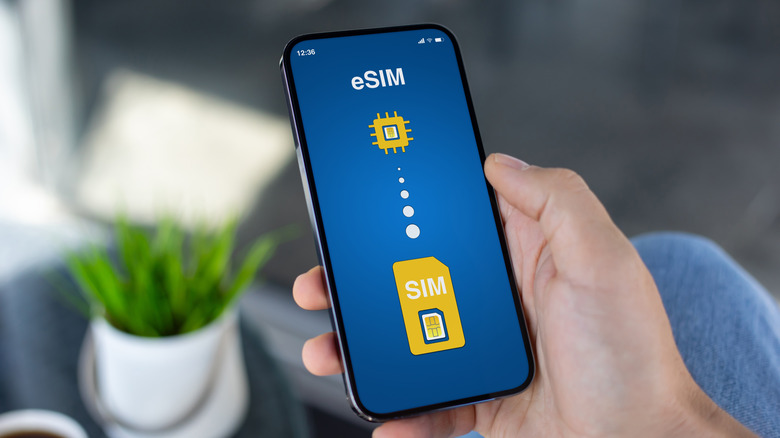
Buyers who want to upgrade to an eSIM-only smartphone after seeing friends or family get faster mobile internet on newer eSIM-only devices should still consider new phones with physical SIM cards. The reason a new device can offer a faster, more reliable 5G experience over an older model has nothing to do with the type of SIM card that connects that device to the network. It's not the eSIM that produces faster download speeds, but rather, the various internal and external components of a new phone, including the modem and the antennas. It's a coincidence that a brand-new phone offers both faster 5G internet speeds and eSIM connectivity. The two technologies evolved separately in recent years, which may have helped create a myth that eSIM-only devices can offer faster or more reliable mobile internet.
Several innovations from smartphone vendors and carriers have contributed to that misconception. First, mobile operators have been upgrading their networks over the years, improving internet speeds as they increased their 5G footprint. Even so, mobile internet can be affected by coverage, reception, and network congestion. Separately, smartphone vendors have been upgrading the 5G modems in their phones, with flagship handsets featuring more expensive chips that can offer better internet experiences (faster speed, improved reception, or more stable connections). At the same time, they also added eSIM support to their devices as a connectivity option, which allowed them to repurpose internal space to increase the battery capacity and create thinner and lighter handsets.
Why phones use eSIM
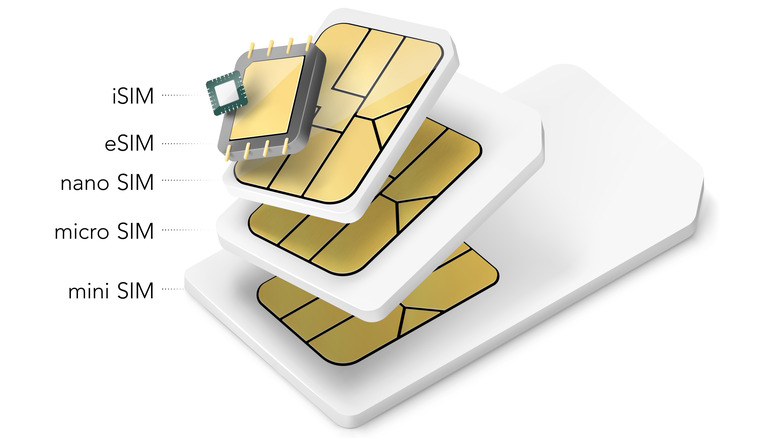
While eSIM-only connectivity is not the reason why your new phone will offer faster internet, eSIM cards do have various advantages for users. For starters, eSIMs allow vendors to optimize the space inside a device by removing the physical SIM card slot. The Apple Watch with cellular connectivity is a clear example. The models that support 5G connect to the network via the eSIM (an embedded chip soldered to the logic board). The alternative would have involved a removable SIM card slot, which may have been difficult to access. A removable SIM slot may have reduced the internal space available for the battery. Also, physical SIM cards can increase the complexity of internal design for devices that need to be dust- and water-resistant.
The same design considerations apply to small, connected devices and to modern smartphones. For example, Apple reused the space previously occupied by the physical SIM card to increase the battery size of U.S. iPhone 17 Pro models compared to international versions that feature physical SIM cards. The company prioritized design and battery capacity on the ultra-thin iPhone Air by eliminating the physical SIM card slot in all versions of the handset.
Many modern phones offer dual-SIM connectivity, including a physical SIM card and an eSIM card. Apple's iPhone 17 models sold in the U.S. and a few other markets come in eSIM-only versions, supporting dual-eSIM connectivity. The iPhone Air is sold as an eSIM-only option around the world. Apple introduced eSIM-only iPhones in the U.S. in 2022, starting with the iPhone 14 series. Similarly, Google's Pixel 10 series launched in 2025 comes in eSIM-only versions in the U.S. Samsung phones support physical SIM and eSIM connectivity, including the Galaxy S26 series.
Other advantages of eSIM
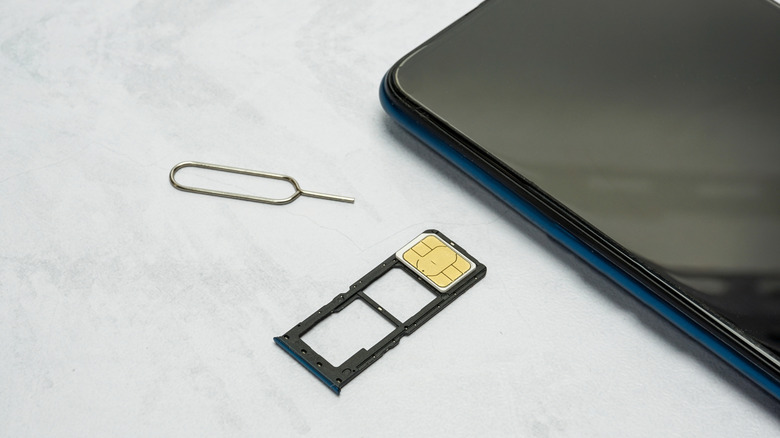
While eSIM cards will not offer faster internet, they can offer a faster setup process. Instead of buying a physical SIM card to activate a new cellular service, users may only need to scan a QR code to install an eSIM profile. This makes it easier to purchase the eSIM card you need on your next trip, even before departing your home, so cellular connectivity is available when you land. Switching phones is also relatively easy, as eSIM cards can be transferred to a new phone provided the new handset supports eSIM connectivity. Also, in case a phone is lost or stolen, smartphone owners can recover their phone number faster by reactivating the eSIM in a new handset.
Phones that support eSIM connectivity allow users to save multiple eSIM cards and activate up to two instances at the same time. Smartphone users who travel frequently can install eSIMs that work in destination countries, keep them stored, and reactivate them on later trips to the same region. The alternative is waiting to arrive at a country and buying a physical SIM card from a local store, which may require using the main line temporarily and could lead to roaming charges for internet use.