

Florida Becomes First State To Ban Flock Cameras
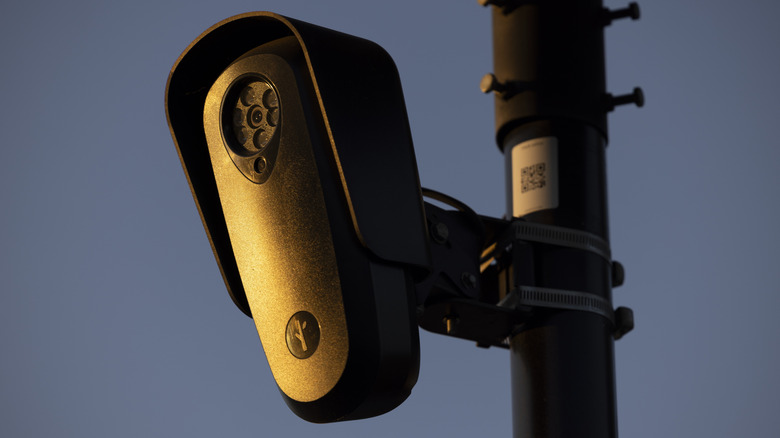
Flock Safety has been under a considerable amount of public scrutiny and backlash lately due to concerns over its surveillance technologies, which many believe overstep into mass surveillance and infringe upon privacy rights. Most notably, Flock installs and manages a network of automated license plate readers (ALPRs) across the country that use high-definition cameras and AI to log and track recordings and data from passing vehicles. However, Flock Cameras have been shown to track more than just license plates. They log vehicle colors, details and other distinguishing features to create an individual signature or profile. Moreover, the company is alleged to have made false statements about its technology's capabilities, and executives have been less than truthful about how those systems are used. Multiple law enforcement officers have negligently leveraged their access to the cameras and systems. One even stalked an ex-girlfriend and has since been arrested. Given many of these concerns, the state of Florida has now banned the use of the company's cameras and license plate readers on its roads.
The Chief Operating Officer of Florida's Department of Transportation, Will Watts, notified local law enforcement agencies about the ban in a recent memo, citing the potential "misuse, data privacy concerns, and surveillance schemes" that have come to light, including a "recent exponential increase" in the use of the cameras on state roadways. He also expressly says that he believes this change is important to preserve "Floridians' sovereignty and quality of life."
Florida is the first state to officially ban the use of such cameras. However, it's not entirely alone. Other states, like Texas, have halted state funding for the related technologies.
What does the Flock camera ban actually mean in Florida?
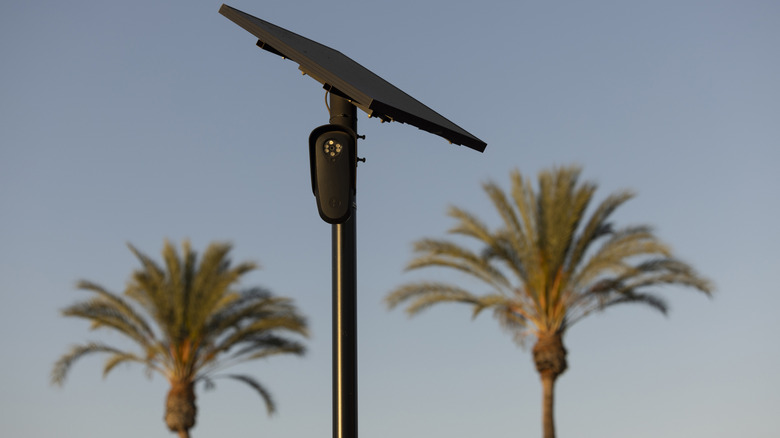
Per the memo, the department has revoked all existing system approvals. Camera installations on affected roadways must be removed within 30 days of the date the memorandum was issued, August 31, 2026, though the memo also notes that the department can remove them immediately if they pose an immediate safety concern. The state transportation department will remove cameras and systems not removed after the 30 days. In the future, FDOT also says it will not issue any new permits related to LPR systems.
If you live in Florida, as I do, or if you just want to reference information on Flock installations, a free tool can help you avoid Flock's invasive AI traffic tech. Called Deflock, it shows the locations of potential cameras and installations on a visible map, and if you zoom in, you can also see which direction they're pointed.
Flock Safety owns Flock cameras, and while it is one of the largest providers of ALPR tech in use, several others have installations spread across the country. Other providers with active surveillance equipment include Axon, Genetec, Leonardo, Motorola Solutions, and Verkada. Deflock will try to show you local ALPRs regardless of provider whenever possible. The community largely handles camera reporting, and you can help too if you wish.