

This Free Tool Can Help You Avoid Flock's Invasive AI Traffic Camera Tech
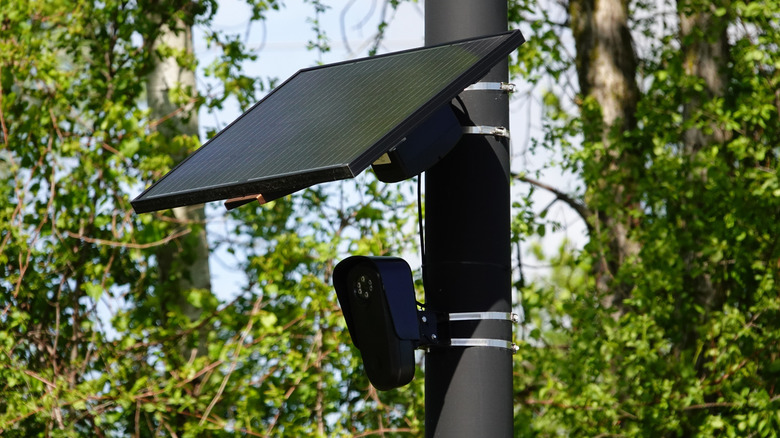
Flock's ever-growing network of automated license plate readers, or ALPRs, is stirring up controversy across the country, but a new open-source tool has been released to help you identify and avoid these cameras. Currently in use in many cities, these systems collect data on millions of drivers and their vehicles, whether they have anything to do with a crime or not. Deflock is an app that maps out all the locations of Flock's ALPRs with help from the community, allowing you to stay informed of precise placements and plan your routes accordingly to avoid them.
If you drive by a Flock camera, it might capture and store information such as your vehicle's make, model, color, current location, date, or time, but it can also log identifiable vehicle traits or features like dents, custom add-ons, or even bumper stickers. Over time, it's not difficult to imagine these data points being used to track someone's whereabouts or being collated into bigger datasets to build a creepily accurate profile of your lifestyle. For that reason, it's not hard to see why some communities don't want the potential overreach in their hometowns, but, nevertheless, installations are still appearing. In addition to ALPRs, COWs or 'scarecrow' surveillance towers are spreading fast.
Why would you want to avoid Flock's installations?
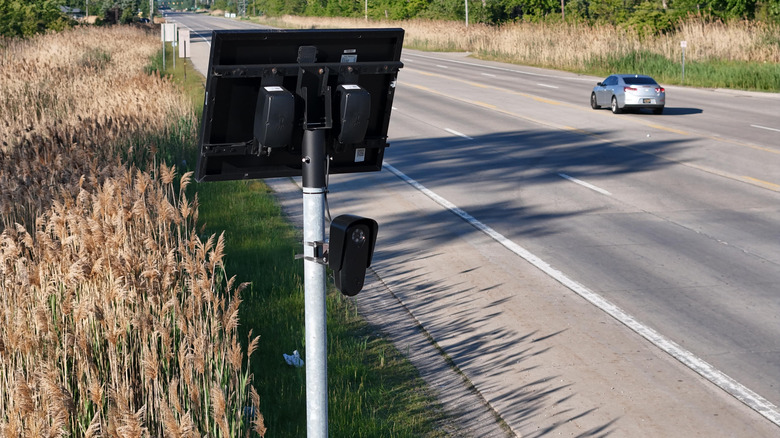
According to Flock's own estimates, its surveillance technologies, namely license plate readers, now watch over 49 U.S. States, serve over 5,000 communities, and deliver over 20 billion plate reads per month. They also connect over 4,800 law enforcement agencies with data shared between them. Flock maintains that it's not involved in "mass surveillance," however, it has made headlines for some of its more troubling use-cases. People simply don't like the idea of widespread surveillance, and they disagree with what's being done with the resulting data, including tearing down Flock's traffic cameras in a wave of anti-surveillance vigilantism. Flock has even had to remove cameras from various cities because "public trust was strained," while smart home company Ring was forced to cancel a Flock safety partnership after public boycotts and anti-surveillance backlash.
While the company claims license plate numbers and vehicle information aren't personal in nature, it can still be tied to you as you're legally the vehicle's owner. Everything the cameras record or log is effectively shared with law enforcement agencies and run through AI detection tools and there are numerous examples of that data being used unethically. Moreover, Flock cameras are tracking more than license plates, and the company has begun using newer technologies, including drones with high-powered cameras. Flock claims its solutions can be used to locate criminals, and they can help solve an estimated 700,000 crimes per year.
How to use Deflock to avoid ALPRs and AI-cameras
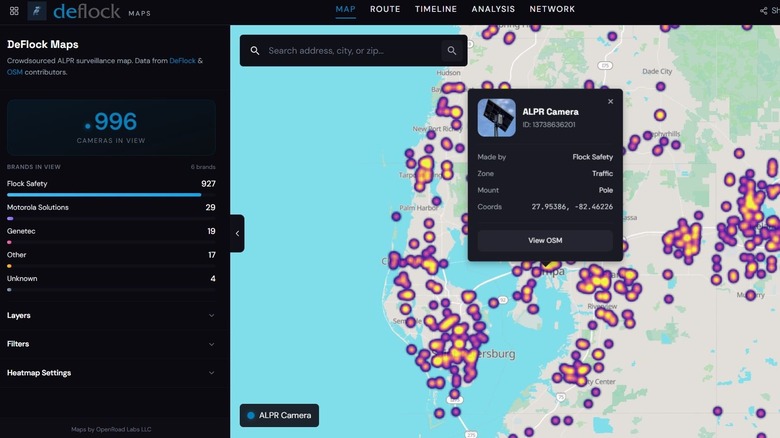
To check for cameras in your area, or on a route you may be planning to take, simply head to Deflock, click Launch the Map, and locate the road, area, or town as you would any other navigation map. You can use the search bar at the top to look up more specific addresses or locations, seeking out cities, zip codes, or street addresses. After you find an area, and zoom in to the clusters, you can click on each individual map placement to see information about the ALPRs. A pop-up card will show you who installed the technology, what it's goal or "zone" is, how it's mounted, and its exact GPS coordinates. You can also click through to OpenStreetMap to see an up-to-date street view of where its located, which can also help you discern which direction its pointed and where it might capture imagery.
Deflock is also an excellent general resource for learning more about the surveillance technologies. An entire section is dedicated to educating people on how they work and why they might be questionable. You can also follow along with related news on mass surveillance events through the News section, which brings you to Footnote4a. If you're curious about what data Flock installations have collected on you already, you can use Have I Been Flocked? to enter your license plate information and see what information has been collected on you and your vehicle.