

Waymo And Zoox Robotaxi Test Drivers Left Injured From Self-Driving Cars
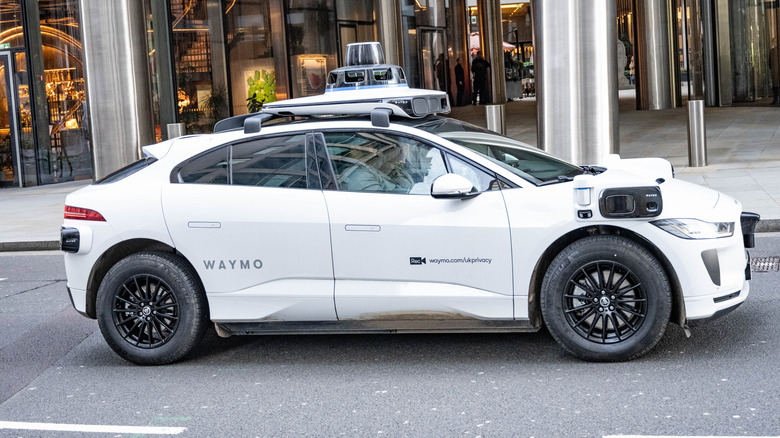
It turns out that some autonomous cars are a little heavy on the brakes — to the point that it's causing injuries to test drivers. After looking at data supplied to the Occupational Safety and Health Administration, TechCrunch found evidence of injuries from hard braking and sudden maneuvering, such as whiplash and sprains, suffered by test drivers working for Waymo and Zoox in 2024 and 2025.
Transdev, which employs testers for Alphabet-owned Waymo, reported 11 injuries from 2025 in San Francisco, Los Angeles, and Phoenix, caused largely by aggressive braking. In one incident, a driver in Phoenix was unable to work for more than 150 days after an unexplained braking event. In at least two other incidents, hard braking occurred for no clear reason, raising the possibility that Waymo's autonomous-driving system may have incorrectly perceived an obstacle. Similarly, Zoox drivers described repeated abrupt braking events, sometimes triggered by non-existent road debris.
In some cases, the vehicle stopped suddenly during a so-called "nogo" event, which involves a total shutdown of the autonomous systems in response to an internal issue. Responding to the findings, Waymo, which has been expanding its robotaxi fleet to major U.S. cities, said safety is its main priority and pointed to the tens of millions of miles driven with human operators as part of ongoing development work. Zoox, meanwhile, said it takes worker injuries seriously, while noting that braking hard is sometimes necessary. It added that the reported injuries were minimal compared to the millions of miles driven during fleet testing.
Deciding when to brake
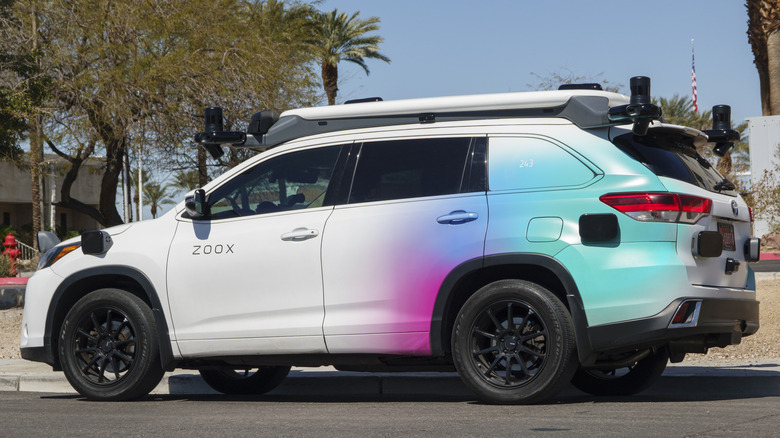
These incidents highlight the engineering challenge at the center of autonomous braking systems. Getting a vehicle to respond to hazards quickly while ensuring the decisions are accurate, controlled, and safe for occupants is paramount. Autonomous vehicles operated by Waymo and Zoox use cameras, lidar, and radar technology to scan surroundings as they proceed along the road. Each sensor provides a different view of what's happening around the vehicle, enabling the autonomous-driving system to construct a picture of the road that could include other vehicles, pedestrians, and road signs or approaching traffic lights — which may need a special design for robotaxis.
Software combines the inputs to identify and track objects around the vehicle. The system has to determine whether any of the objects poses a collision risk and, if so, how strongly it should apply the brakes or simply steer clear. This critical decision takes into account a raft of factors, including the vehicle's speed, its direction of travel, movements of others on the road, road surface type, and conditions that affect grip. The assessment is made in the blink of an eye, at which point it's turned into a physical action.
Turning a decision into braking
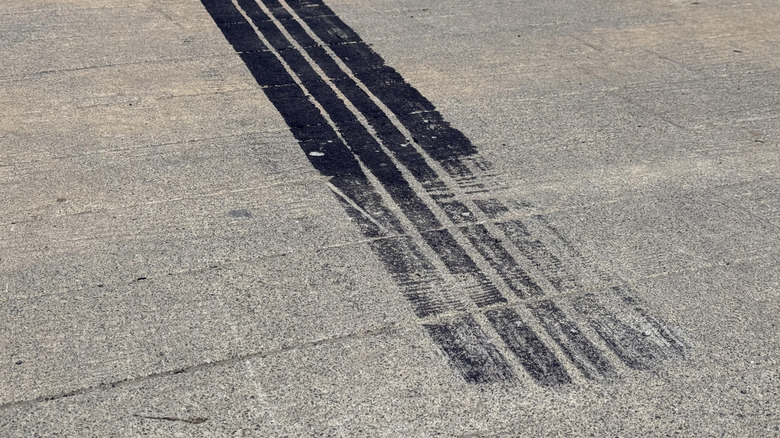
If the self-driving car decides that it's necessary to brake, the decision becomes a real-world act. This involves the autonomous system sending a braking command to the vehicle-control system, which uses electronic brake control rather than a physical pedal. The braking system then decides how much force to apply, while the anti-lock braking system, traction control, and stability systems work to prevent skidding and keep the vehicle under control.
Braking is a central part of a vehicle's safety setup, so autonomous vehicles need to have backups in case the primary one fails. Waymo's vehicles, for example, have redundant computing and braking systems that can bring the vehicle to a safe stop if the primary system fails. Zoox's robotaxi also uses redundant braking systems, with multiple braking technologies and an independent emergency brake designed to provide backup assistance should the main system suffer a serious problem.
But the engineering challenge isn't simply to make an autonomous vehicle capable of stopping quickly. It's about optimizing the entire system so that it can react quickly enough to avoid a collision, and without turning every uncertain situation into a potentially injury-causing stop. The incidents suggest there's still room to refine how driverless systems respond to a multitude of situations during road testing, further illustrated by a Waymo safety recall on its self-driving cars related to failing to stop for school buses.