

DIY Vs. Professional Home Security System: Pros, Cons, And How To Choose
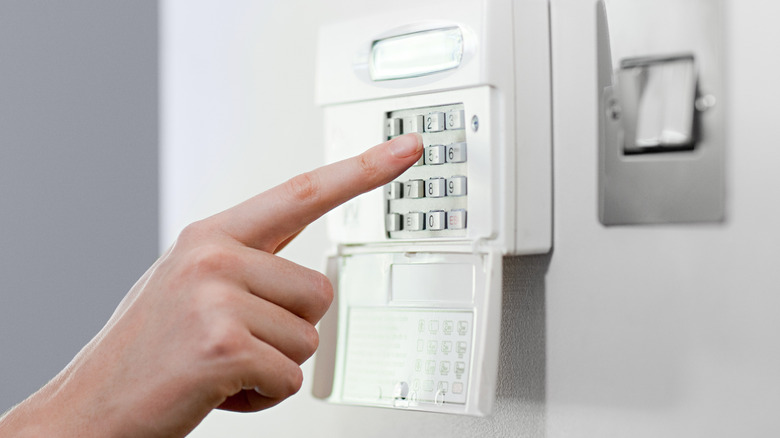
If you're looking for simple ways to make your home more secure, adding a security system is a good starting point. These systems give you instant notifications when unusual things are happening at your house, increasing your family's sense of safety. When you start shopping around for a home security system, though, it can feel overwhelming while trying to pick feature sets, service contract terms, and camera locations. One of the key decisions you should make early on is choosing between a DIY or professional installation of your home security system.
Reading about the pros and cons of each type of installation might not be enough to help you choose. To give you some actionable information, BGR did an exclusive interview with Gene Petrino, a principal advisor with Survival Response LLC as well as a retired SWAT commander and an ASIS Certified Protection Professional (CPP).
When cost is a concern, his advice is that you should always look beyond the initial cost of the DIY or professional security system installation and be certain you understand add-on and ongoing costs. "Compare monitoring fees, contracts, equipment ownership, warranties, maintenance costs, cellular backup, battery backup, video storage fees, and what happens if you decide to change providers later," he said. Additionally, Petrino said you shouldn't just select the lowest-cost option, which "isn't necessarily the best value. Security is one area where proper placement, reliable equipment, professional monitoring, and quality installation can justify paying more."
Best reasons to consider a DIY security system installation
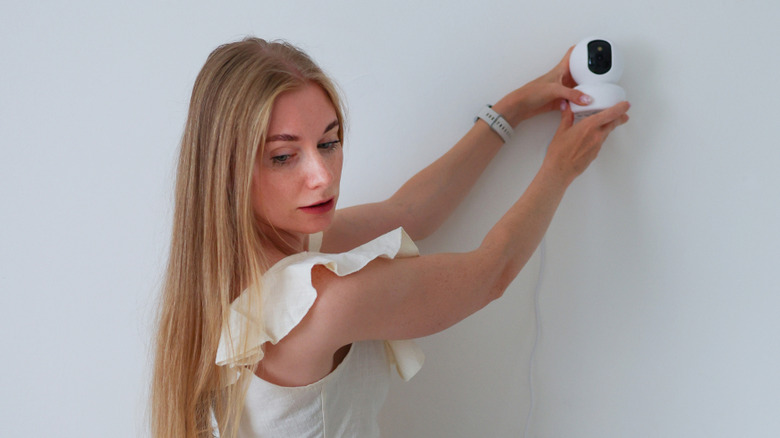
If you haven't looked at DIY home security systems for several years, you might be surprised by the major improvements they've experienced over that time frame. "DIY systems have become very capable and can be an excellent choice for many homes, particularly smaller properties with relatively straightforward security needs," security expert Gene Petrino told BGR. "They can also offer lower upfront costs and greater flexibility."
Petrino strongly recommends taking time to envision the layout and exactly what equipment you'll need before buying items for your DIY home security system installation. He said DIYers should walk the property and try to look at everything through the eyes of someone who wants to stealthily gain access. "One of the biggest mistakes homeowners can make is buying cameras, sensors, and other devices and then deciding where to put them," Petrino said. "Identify likely approaches, vulnerable doors and windows, concealed areas, and routes someone could use to move through the property." If you aren't comfortable doing this yourself, consider hiring a pro.
With proper planning, you may even be able to turn cheap webcams into a DIY home security system instead of buying a kit. However, Petrino said it's important to remember that using a DIY installation means that you'll have to perform much of the troubleshooting and monitoring yourself. If you aren't comfortable with the steps required to manage the system after installation, he said requesting an installation and subscription from a professional security company may work better.
When to choose professional home security system installers
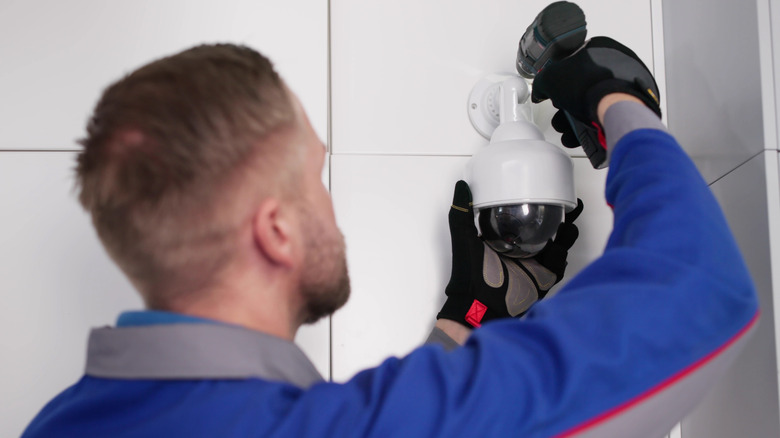
As you walk your property and consider the various potential entry points that the security system needs to monitor, you might decide that designing your own DIY security system is beyond your comfort level. "A professional installation becomes more valuable as the property or security requirements become more complicated," Gene Petrino said. "A qualified professional should be able to identify vulnerabilities a homeowner might overlook, determine appropriate sensor and camera placement, and make sure the individual components work together."
If you're worried about home security cameras recording low-quality footage, you may want to stick with pros who can guarantee higher-quality images. They won't only focus on using high-quality cameras when looking to deliver the best possible images, Petrino said. Locating the cameras properly is a big help. "Poor placement can result in great footage of the top of someone's head, an obscured face, excessive glare, or an image too far away to identify anyone," he said.
Unfortunately, some professional companies may try to take advantage of novice homeowners by selling them too much equipment, resulting in a system that's far more expensive and complex than it needs to be. "If someone tells you that you need another camera, sensor, service, or upgrade, ask what specific vulnerability it addresses and what happens if you don't purchase it," Petrino said. "There should be a clear security reason for the recommendation." Getting multiple project quotes from pros can help you manage this issue.