

Are Bluetooth Toothbrushes Actually Worth The Price Tag?
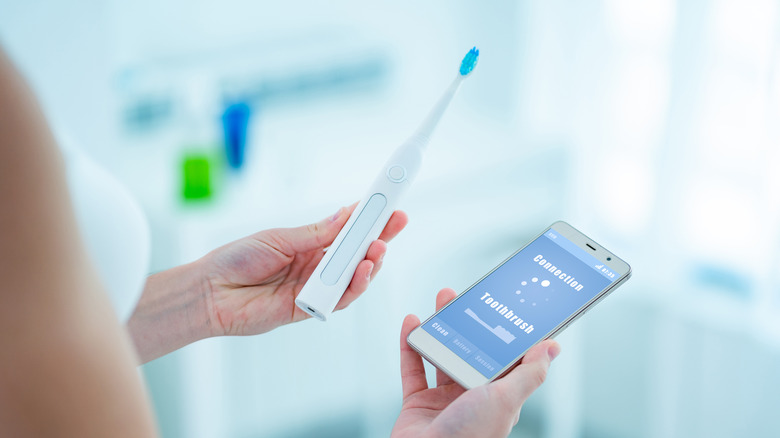
You could argue that smart devices fall into two camps: cheap smart gadgets that are actually useful (you can't argue with the safety a smart leak detector provides) and cool gadgets that upgrade your living space with some extra factor (a smart mirror gives you instant bragging rights). Of course, what constitutes useful is personal, but for some, things like smart fridges may be overrated because, at the end of the day, they solve first-world problems. Do you really need a notification that you're running out of eggs when you can just open the fridge and take stock of your food? Does a similar logic apply to smart Bluetooth toothbrushes? Is it another regular thing you should treat with smart tech?
For most people, the answer is a resounding no. Good smartbrushes like the Oral-B IO come with a $300+ price tag and a whole slew of features. Beyond those "caveman" timers, this toothbrush and its app use 3D tracking to split your teeth into zones and AI to guide you on how to properly scrub those areas. It even notifies you if you brush too hard. That all sounds amazing on paper, but the execution often falls short of the promises, since these toothbrushes often struggle to track their positions accurately. In reality, this is useful mainly for people who need an extra push with their oral hygiene. If you floss and brush regularly (even with a manual toothbrush that costs $6), you likely don't need an app to correct your technique, so these Bluetooth toothbrushes aren't worth the price for most people.
Who are these toothbrushes really for?
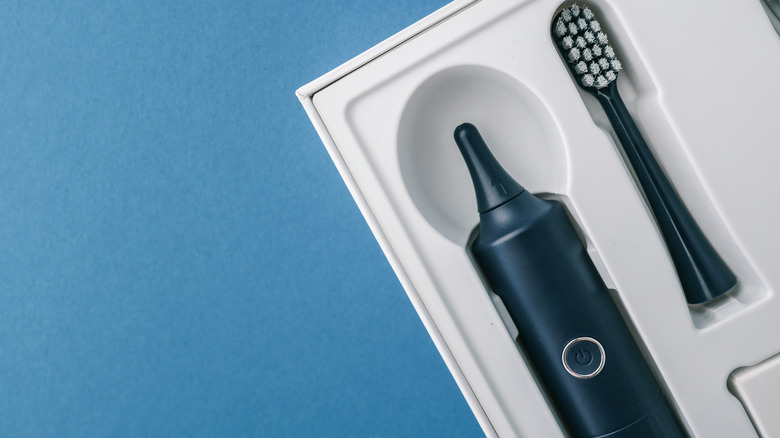
I'm not looking for ways to cut down on smartphone use or my reliance on technology. If something is advertised as smart, I have to fight off the urge to reach for my wallet. The same thing happened with a Bluetooth toothbrush until I remembered that I already have a working electric Philips Sonicare that does the job perfectly for a fraction of the price. Absolutely zero cavities here, as the on-board timer swiftly reminds me how long I have to brush.
That said, if I did have challenges with my oral health, a $300 Bluetooth toothbrush would technically be cheaper than dealing with a large dental bill. This is who these toothbrushes are great for. Those with gum disease need a bit more care, and the later Oral-B iO series tracks bleeding gums, which is exactly what people with periodontitis and other ailments could benefit from. Alternatively, if you're struggling to build solid brushing habits and gamification is the only way you can stay on track, then an expensive toothbrush with an app designed to incentivize your brushing is like a godsend.
Most dentists recommend electric toothbrushes because the technique is easier for most people to learn, so it's genuinely worth investing in one. An affordable one will serve you well, and instead of going down the smart route, you're better off getting a Waterpik instead. After all, flossing is something many of us skip because it's generally annoying, but it makes a day-and-night difference for your oral health – despite not being as exciting technologically.