

Can You Still Use An Old Pager In 2026?
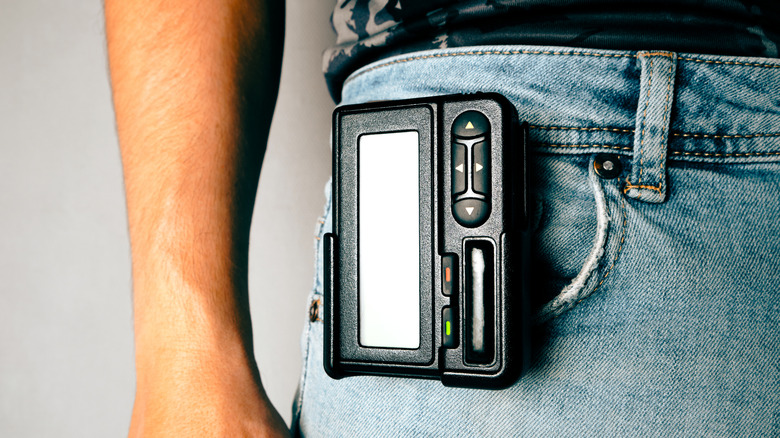
These days, if you want to instantly contact your friends, there are dozens of ways to do so. That wasn't always the case: Before the advent of the internet and smartphones, people relied on pagers (also known as beepers, bleepers, or buzzers). Essentially, you'd send a brief message, often just a phone number, over the radio waves; the recipient would either go where they were needed, or find a phone to call you back. It might sound quaint, but pagers are still used today by emergency responders and doctors all over the world.
If you stumble upon an old pager, you may still be able to use it. However, it all depends on the pager model, which frequency it broadcasts on, which protocol it uses, and whether there's a compatible paging network operating nearby. Because support varies so widely, your best bet is to search online for local paging networks and ask whether reconnection is possible. This ensures a quick answer from someone familiar with local standards and compatibility, rather than having to research everything yourself.
If your device can be revived, you'll just have to pay a small reconnection fee and wait a couple of hours for activation. However, if the device uses a defunct frequency or was designed to use a network that's no longer operational, there's no way to get it up and running again.
Pagers are useful in specific settings, but unlikely to replace your phone
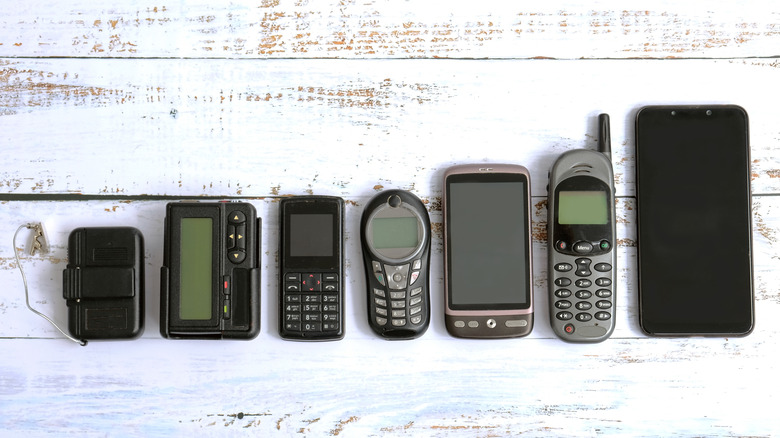
Of course, there's nothing stopping you from buying a modern pager if you really want to. These can transmit much longer messages than older devices, and are often available for around $100 from specialized retailers. Messages are sent via high-frequency radio waves, meaning pagers are better for remote areas where cell service is unavailable, or in places with lots of thick walls. Their batteries last longer, too, so if someone's safety is on the line and you can't afford to miss a message, pagers beat cell phones every time.
Pagers do have their downsides, though. Their small screens make them less-ideal for prolonged two-way communication, and there's no way of knowing whether your message was ever received. Additionally, not every pager network is encrypted. When you send a message, every pager in the surrounding area gets it; they just don't react unless it was sent to them specifically. This means it's fairly easy for someone to listen in and intercept messages.
Realistically, most people have little appetite to ditch their phones in favor of pagers. Still, retro technology is always cool, and if nothing else, an old pager is a great conversation starter. After all, your parents and grandparents may have used one regularly in the past.