

You Need To Know This Before Buying A Screen Protector For Your iPhone 18 Pro
We may receive a commission on purchases made from links.
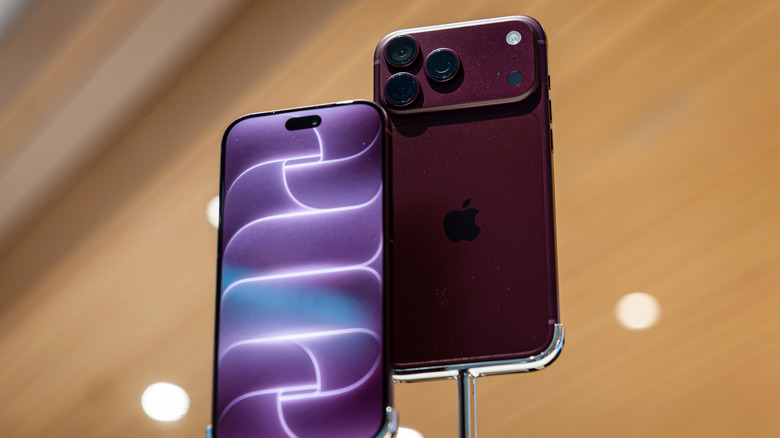
The iPhone 18 Pro and iPhone 18 Pro Max hit store shelves on September 18, after nearly a week of preorders. Some buyers are about to receive their chosen model, as well as the protective accessories they may have bought, while others will get the handset in stores. But you should not install the screen protector you've just received — or purchase one, for that matter — until you ensure you have the right type. This isn't a measurement issue. The iPhone 18 Pro models have the same height and width as their predecessors. Screen protectors made for the iPhone 17 Pro models are likely to fit. It's about the significant design change Apple made to the iPhone 18 Pro's camera cutout, which is smaller than before. Apple moved the Face ID camera under the display, and positioned it at the left corner of the handset. As a result, specific screen protectors may prevent Face ID from working reliably.
Specifically, reviewers like YouTuber Dave2D have encountered Face ID failures while using matte screen protectors. X user @L0vetodream similarly warned against frosted (matte) films, indicating that Face ID may be laggy with one installed. The user also said that privacy protectors can impact Face ID functionality. Apple updated a support document with iPhone 18 Pro language to explain that privacy protectors might interfere with 3D face recognition. The company advises consumers to remove privacy covers to get the sensor to work.
That said, clear screen protectors should not interfere with the Face ID camera. Similarly, privacy protectors that were developed for the iPhone 18 Pro models, which may include 3D face recognition tests, should be safe to buy.
How Face ID works on the iPhone 18 Pro
While Apple has moved the camera under the display, Face ID functionality hasn't been impacted outside of this screen protector problem, as Dave2D discovered. The YouTuber said he expected some issues with 3D face scans, like "reduced effective range or accuracy," but that wasn't the case. He found Face ID to be just as good on the new handsets as the iPhone 17 Pro, calling the experience "incredible." The only problem concerned the matte screen protector.
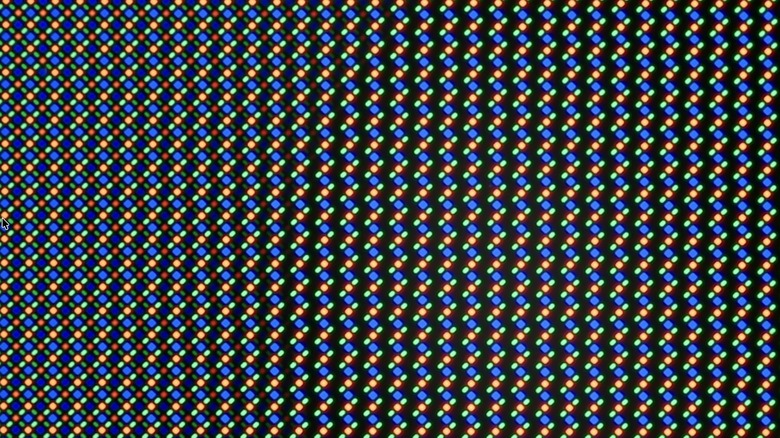
The YouTuber looked at the under-display camera with a microscope, noting that most users may not even realize the sensor is there. The analysis showed that Apple used a zigzag pattern for the screen area that covers the Face ID camera. The zigzag pixels alternate with a zigzag gap area, as seen in the following image, which allows light to pass through. The under-display sensor then reads the invisible dots projected onto the user's face to authenticate them.
As the video explains, Apple has kept the dot projector and the illuminator inside the camera cutout, near the selfie camera. These are responsible for projecting the infrared dots on the user's face. Put differently, matte and privacy screen protectors will not interfere with these Face ID components, especially if they feature cutouts. But they may impact the functionality of the Face ID camera, as they add another layer that light needs to travel through.
Do you really need a screen protector?
Both the iPhone 17 Pro and iPhone 18 Pro models feature Ceramic Shield 2 front glass that offers three times better scratch resistance than the iPhone 16 series and older models. MacRumors said in its one-year iPhone 17 Pro review that the Ceramic Shield 2 "was the best iPhone upgrade," explaining that the unprotected iPhone 17 Pro display received "faint scratches" during the first year, while the iPhone 16 Pro scratched within three weeks. Similarly, TechRadar explained in its iPhone 18 Pro review that last year's glass cover technology has done "wonders at preventing micro-abrasions and front-screen scratches."
In other words, iPhone 18 Pro owners can consider not installing a screen protector on their new devices. This should prevent Face ID issues. On the other hand, Ceramic Shield 2 glass may still break during accidental drops, which will require a screen replacement. Apple will charge consumers who do not have AppleCare+ $379 or $329 for a new display. Buying AppleCare+ for the iPhone 18 Pro will reduce the replacement fee to $29.
Consumers may still want to buy accessories for their new phones. @L0vetodream advises them to purchase anti-reflective protectors that can maintain the display's anti-reflective properties. Buyers should also look for screen protectors made for the new handsets and look for Face ID references. Spigen sells a GLAS.tR EZ Fit Sensor Protected product which is designed and tested for Face ID compatibility. Belkin has a new privacy protector that's built "to avoid interfering with Face ID."