

5 Wi-Fi Mesh Systems With The Longest Software Support

The end of official software support for a mesh Wi-Fi system doesn't always mean the device is antiquated — it doesn't even mean the router won't see any future updates. It just means legally, the company no longer has to support the product with new software if it doesn't want to. Thankfully, in practice, we've seen plenty of mesh systems supported well past their official software end dates, from Amazon to Google to Asus to TP-Link to Netgear. Each company offers a range of hardware, and for many, a range of official support dates.
This is where things get tricky. It's a good idea to look at the fine print when it comes to specific support timeframes, so we've done that for you to find the Wi-Fi mesh systems with the longest software support. And while there are indeed written policies, there are also real-world lifespans that blow well past the fine print. So instead of guessing which companies will last the longest, officially or unofficially, you can make an informed decision when buying your next mesh Wi-Fi system with our help.
Let's not forget that a real tech crisis is underway. Prices are rising fast, and that includes mesh routers, so this is no longer a purchase to make lightly. It's in your best interest as a consumer to figure out which mesh Wi-Fi routers will be supported the longest in order to get the most out of your purchase. And just because a certain date is advertised doesn't always reflect the support you will actually receive, muddying the waters and further complicating the purchase. So in order to cut through this confusion, we analyzed both the corporate fine print and real-world track records so you can maximize your mesh network investment.
Amazon eero
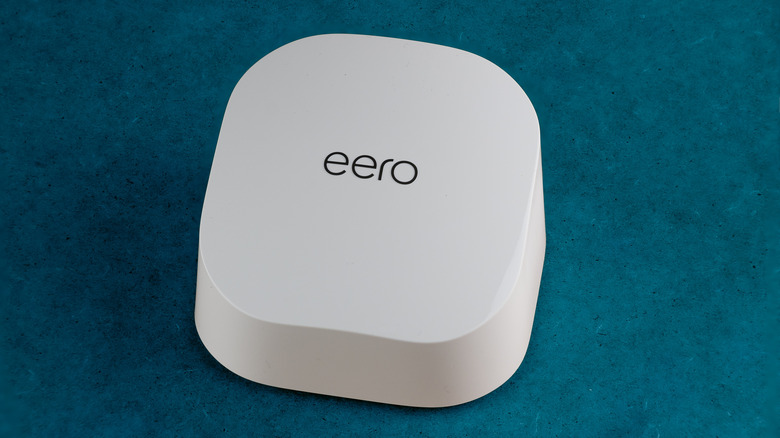
If you're looking for the longest official support for a mesh Wi-Fi system, Amazon and Google are the two primary brands to consider. Both offer a lofty five years of official software support, and eero edges out Nest Wifi when we take into consideration real-world lifespan of Amazon's mesh routers, which are seeing support from eight to 10 years. This has everything to do with when Amazon starts its software support clock: eero mesh routers receive updates for at least five years after the device was sold new, which means the clock only starts ticking when you buy the router — not when the model was first announced. This is why we've rated eero's last two models as some of the most reliable Wi-Fi mesh systems.
Keep in mind Amazon sells a few different eero generations at the same time. If you bought an older gen that is still actively being sold as a new unit by Amazon, those five years begin with your purchase. In real-world terms, eero mesh routers average eight to 10 years of support. However, there's an optional subscription for eero Plus that can add to the long-term cost of the device, running $100 a year for features like advanced security measures and parental controls.
What's nice is that you can combine eero models and generations for your mesh, and so far the only officially discontinued iteration is the first. Ultimately, you don't have to worry about Amazon bricking your devices when they reach their official end-of-life date, though setup can get tricky if the router's software hasn't been updated in ages. Still, the length of software support for the eero mesh router line is some of the best in any category, ensuring the brand is at the top of the pack here.
Google Nest Wifi

Similar to Amazon, Google offers five years of official software support for its Nest Wifi products, but that support starts when the product launches. So if you buy an older model that has been sitting on the shelf for the last two years, you only have three years of support guaranteed. This is why it's recommended to buy the most recently released Nest Wifi from Google to ensure you get the maximum amount of software support available. The good news is that Google often ignores these end dates, pushing security patches to older, out-of-date hardware, which is why the company averages around seven to eight years of support in real-world use.
Unlike eero, which offers backward compatibility, Google does not with its latest hardware, so you can't mix and match old models with the newest Nest Wifi Pro. Once again, users are better off buying newer hardware than older — not only to get the most support, but for the better features and faster speeds with the newest Nest Wifi Pro routers. There's also no subscription fee to speak of, as Google Home Premium doesn't offer any benefits for Nest Wifi.
Another reason to go with Google's latest models is the backhaul support, as each node can be wired in a room where your main node may not reach. Essentially, backhauling is a cheap home network upgrade that could fix all your mesh Wi-Fi problems. Unlike the 2019 generation that didn't offer Ethernet ports on the mesh nodes, the newest do, and that kind of feature will assuredly help with longevity. This way, you can eliminate congestion and avoid obstructions, and once the device is too slow to be a primary node, you can easily move it to a garage and wire it in.
Asus ZenWiFi
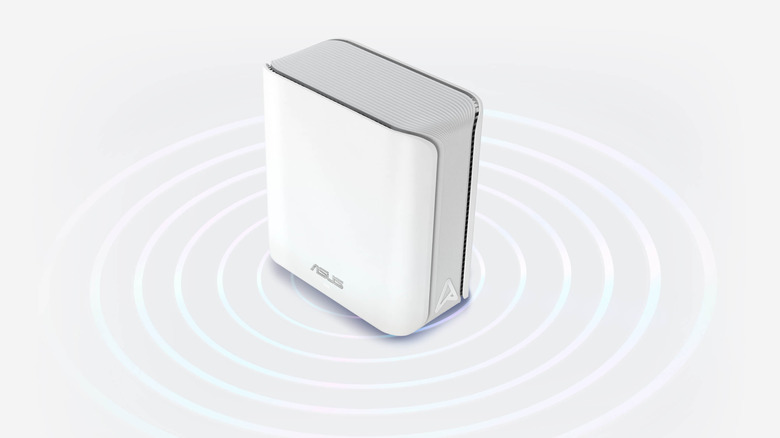
When you are on the hunt for Wi-Fi routers with the longest software support, Asus, with its ZenWiFi line of mesh routers, is certainly not a brand to ignore. Now, the tricky part here is that Asus doesn't offer a unified timeframe of support for its products, but the good news is it doesn't have to since its history of support walks the walk. So even though Asus is anything but transparent about how long its products will last, real-world support points to an average of five to eight years of software support. This track record can easily beat out Google and Amazon. The only real issue is that this support is simply not guaranteed, so there is a slight gamble that the Asus mesh router you purchase could see less, especially if you're looking at budget options in the XD line rather than the high-end XT line.
However, you aren't completely locked out of considering the cheaper, more affordable models, as when they reach their end of support more quickly, you can use Asus' AiMesh software to set the router as a node with a supported Asus router that can take over security and routing duties. So at the very least, your old or dated hardware won't be wasted, thanks to the help of some smartly designed software — one of many reasons why mesh Wi-Fi systems are better than regular routers.
Best of all, Asus doesn't offer a subscription plan for its mesh devices, so it doesn't lock advanced security features behind a paywall. This way, you know going in that Asus mesh routers offer features like AI-based protection and advanced parental controls, part and parcel with your purchase. Your costs won't increase over time, unlike competitors' recurring subscriptions that can rise.
TP-Link Deco
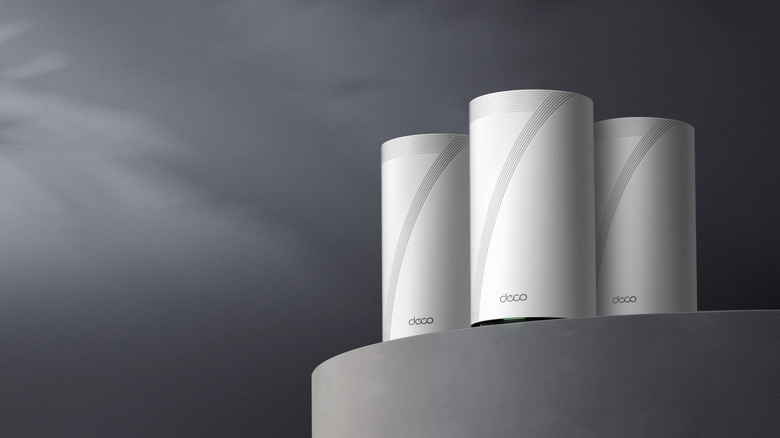
Officially, TP-Link offers three years of software support for its Deco mesh routers, and the clock only starts ticking after a model has been discontinued. Now, the thing to remember with this brand is that it refreshes certain models with monikers like V1, V2, V3, so you have to keep the version in mind, as TP-Link can retire a V1 variant to start its support countdown while the newer V2 or V3 hardware revisions remain on store shelves.
So three years might not sound as good as Amazon's and Google's five at first blush, but since this clock doesn't start ticking until a product is retired, the real-world timing works out to a guaranteed three years post-discontinuation, with total lifespans stretching to anywhere from five to eight years from launch — much more competitive. Keep in mind extended support is at the company's discretion, per its own policy, so the more popular the model, the more likely it is to receive this extended support.
However, like Amazon, certain features are locked behind three optional subscription plans, such as advanced security and parental controls, ranging in price from $18 a year to as much as $130 a year. This is worth considering when TP-Link is viewed as a budget option, as a subscription fee will compound over time, negating the savings of the cheaper brand of hardware. Still, if you were never interested in the upsell, you'll be happy to know features like VPN server support and Quality of Service bandwidth controls are included for free. So if you are simply looking for an affordable mesh network that offers plenty of competitive features, TP-Link is one of the top systems with long-term software support.
Netgear Orbi
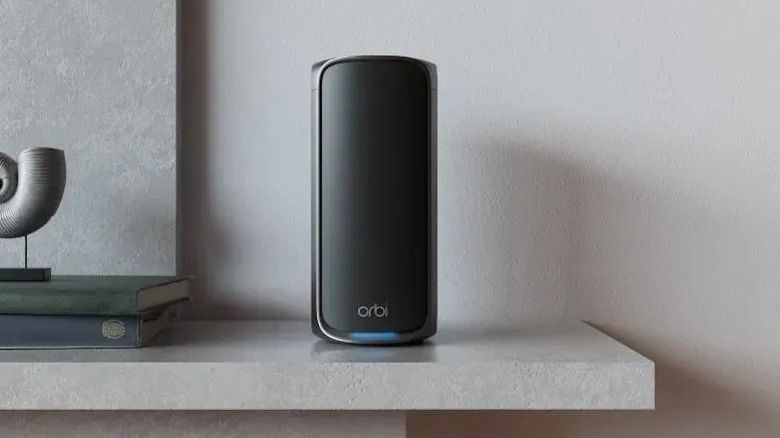
Netgear's software support works similarly to TP-Link's in that you receive three years of support from the end of service. So once a model is sunsetted and no longer sold, this clock starts ticking. At the end of the day, this support length amounts to five to seven years of real-world lifespan for Netgear mesh routers, like we saw with its RBR50 mesh router, putting the company in a comfortable position to compete with its contemporaries.
Unlike TP-Link, Netgear's Orbi line is fairly high-end with prices that are reflective of that, so it's very understandable to want to get the most bang for your buck with lengthy support. Conversely, customers get only 90 days of phone and chat support, which pales in comparison to its three years of guaranteed software support, but can still be a perk if you're new to setting up mesh networks and want a little help getting your purchase up and running. If you wish for more than 90 days of chat support, that requires a subscription to Netgear ProSupport for Home, which is $100 a year.
Also, similar to TP-Link (as well as Amazon), there is an optional subscription for the software's more advanced features, known as Netgear Armor, where things like security controls are gated behind a fee, with two tiers available at $100 or $150 a year. However, if you don't require premium customer service or advanced network features, Orbi mesh routers remain fully viable and highly competitive on baseline software support alone.