

Alibaba Is A Tech Giant, But Who Actually Owns It?
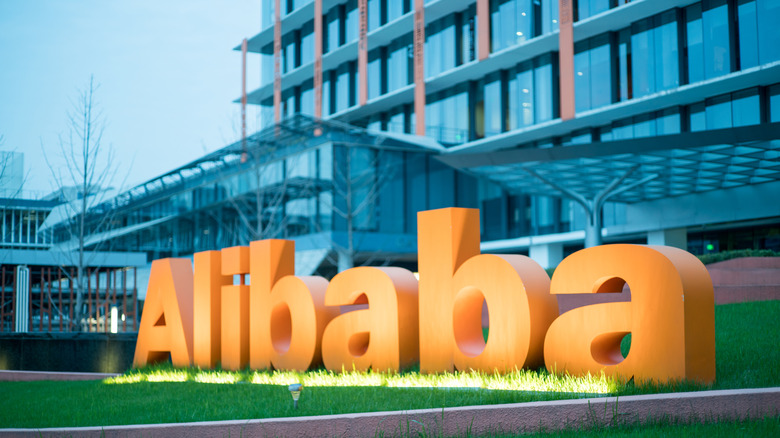
Alibaba is one of the world's largest e-commerce companies. In 2025 alone, its parent company, Alibaba Group, moved over $1.26 trillion in products, nearly five times as much as Walmart. But despite its massive reach, Alibaba doesn't have a single owner: It's a publicly traded company owned by its shareholders. The reason for its success is no secret: It's a great way to get just about anything (but especially electronics), often at low prices. So where is this company based, who are some of its biggest shareholders, and what other organizations is it affiliated with? Let's find out.
First things first: Alibaba was founded in Hangzhou in 1999. That's right: it's another popular app that originated in China, just like TikTok, Temu, and Shein. There were 18 founders, including Jack Ma, Jane Jiang, Eddie Wu, and Joseph Tsai. Jiang, Wu, and Tsai still have roles at the company today, while Ma stepped down as executive chairman in 2019 but remains a member of the Alibaba partnership.
According to its financial reports, Alibaba's directors and executive officers own a combined 1.9% of all shares, with institutional shareholders like PrimeCap Management holding significant stakes. As of this writing, around 1,800 organizations own Alibaba shares, though no one entity has a controlling stake.
Alibaba isn't just a marketplace anymore

In recent years, Alibaba Group has diversified significantly. In addition to operating Alibaba, the organization launched AliExpress in 2010, targeting consumers rather than wholesalers. Then, in 2023, Qwen was released. This was Alibaba's competitor to ChatGPT and has since accumulated billions of downloads, even going on power Apple Intelligence features in China.
As you might expect of a multi-billion dollar business, Alibaba Group has an extremely varied portfolio. Here's a rundown of some of the companies and platforms it owns, operates, or has invested in at the time of writing:
-
Alipay: online payment platform with 1.3 billion users
-
AliOS: Linux-based operating system for cars and Internet of Things (IoT) devices
-
Taobao: a consumer-to-consumer marketplace similar to eBay
-
Weibo: microblogging platform similar to Twitter with around 600 million monthly users.
-
Youku: video streaming service offering anime, movies, and TV shows
-
South China Morning Post: Hong Kong-based newspaper
-
Damai Entertainment Holdings: Entertainment firm investing in film, TV, and live events
This approach allows Alibaba to target consumers across many verticals, countries, and media, helping maximize profit. As one of the largest beneficiaries of the shift towards online commerce, it's no surprise that the company has been similarly bullish on other technological developments. The company's success is arguably down to its brand recognition, broad diversification, and rapid development of its own offerings in emerging technologies.